
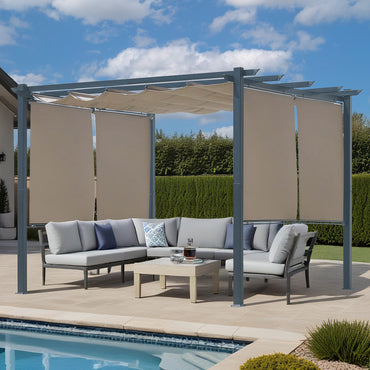
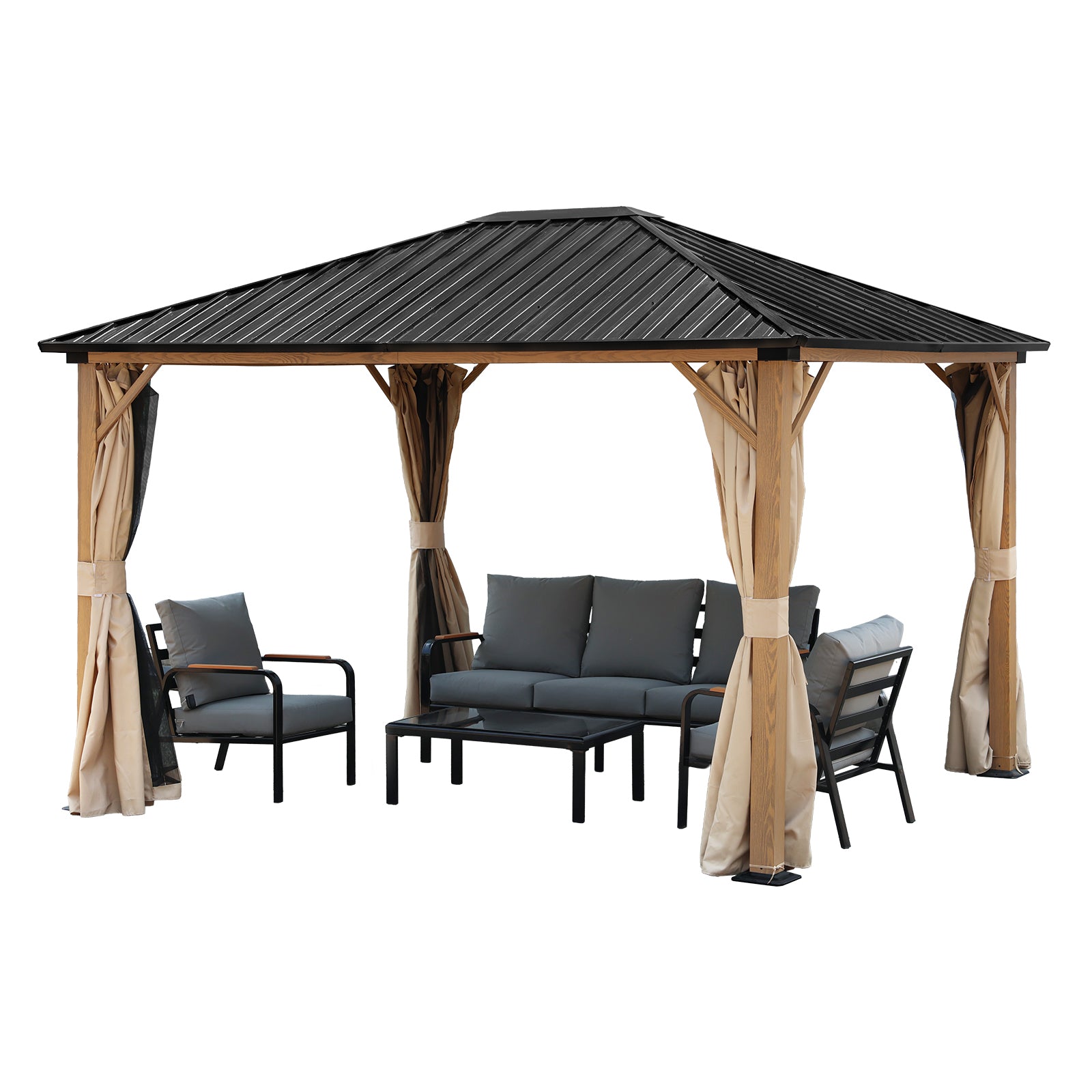
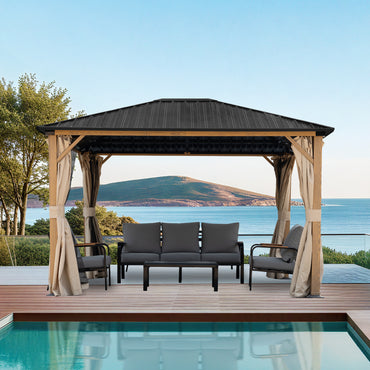
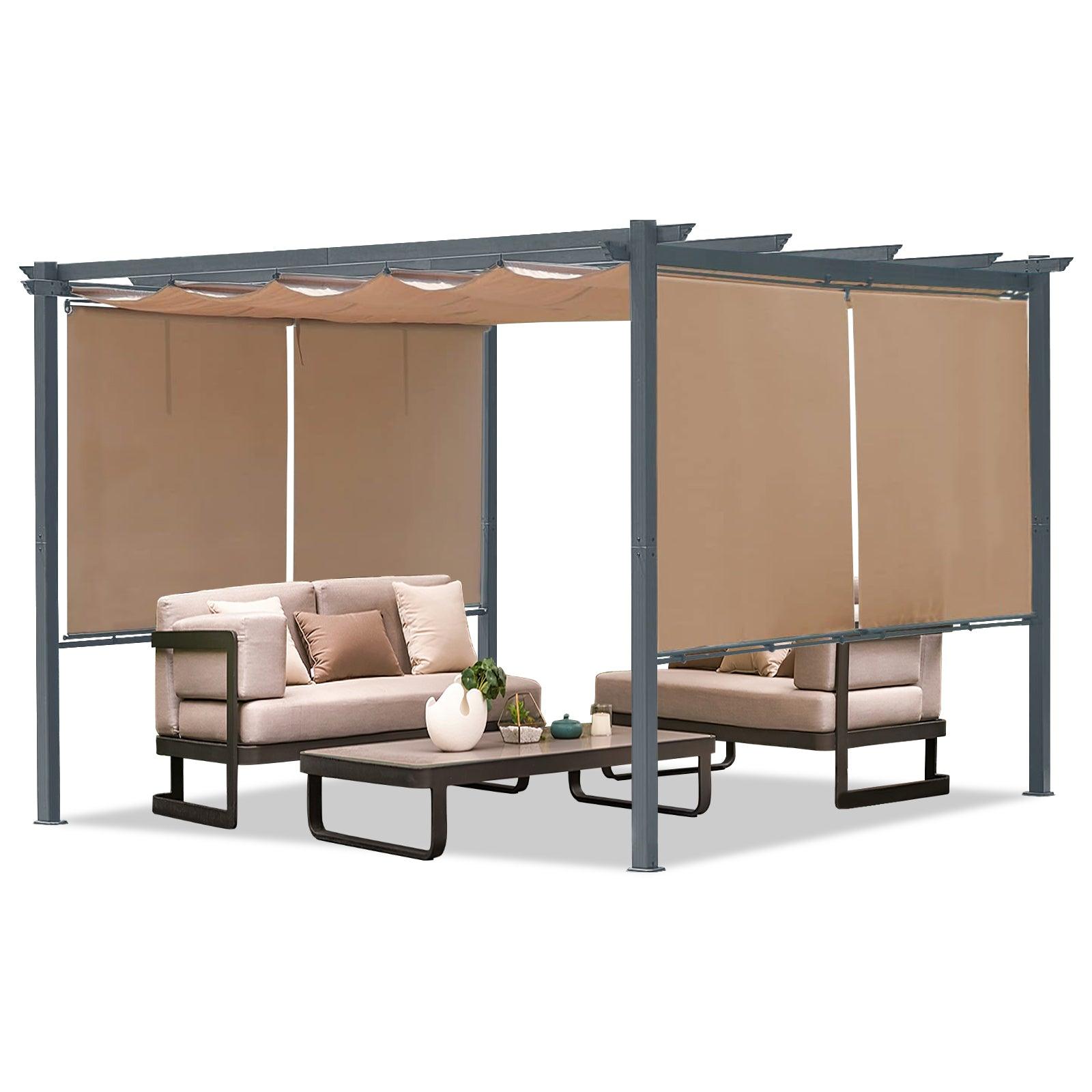
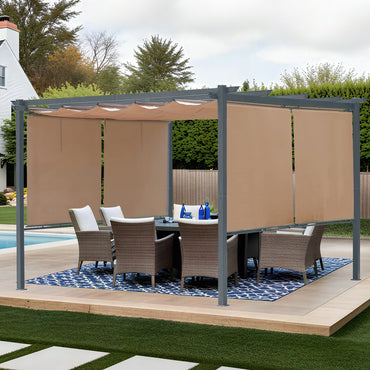
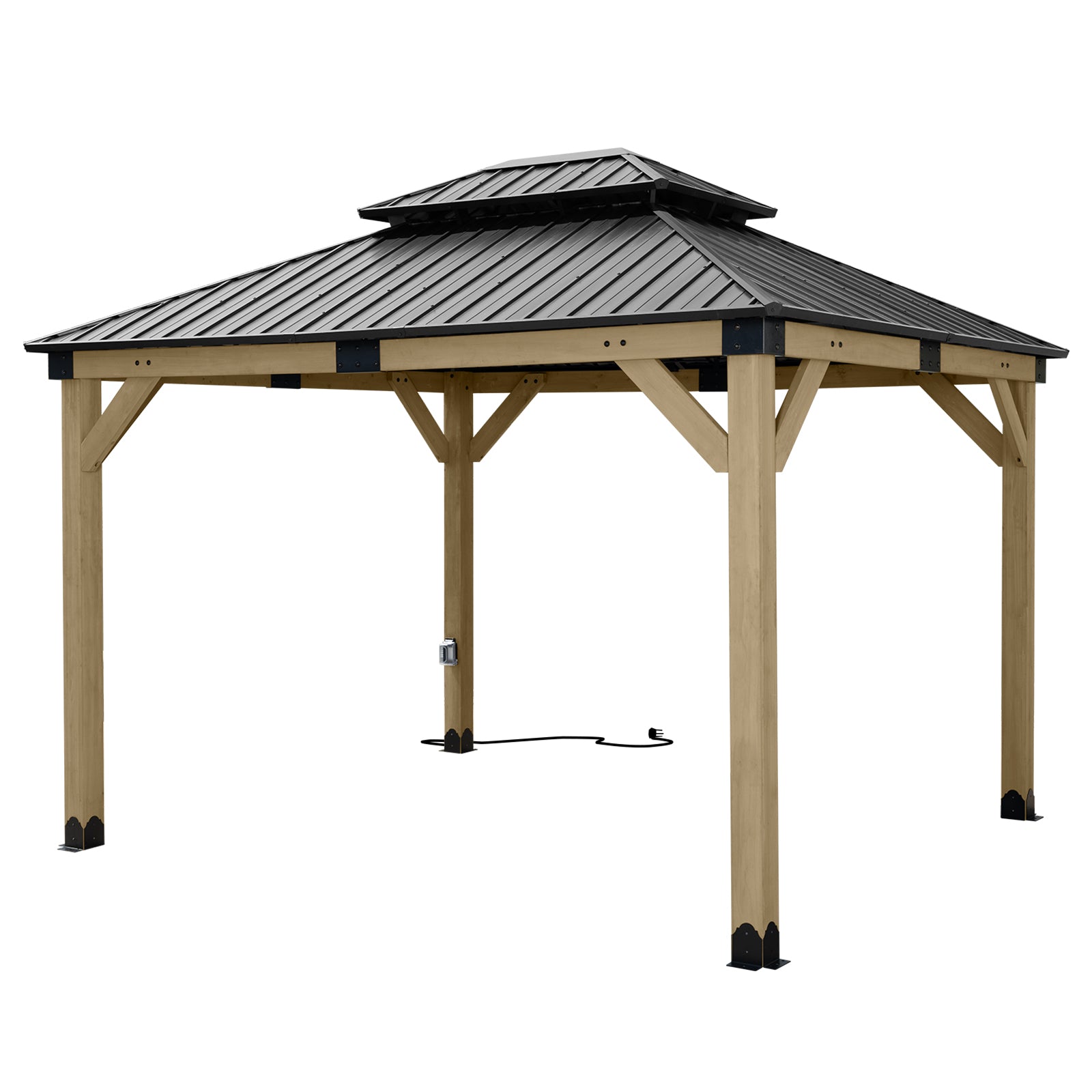
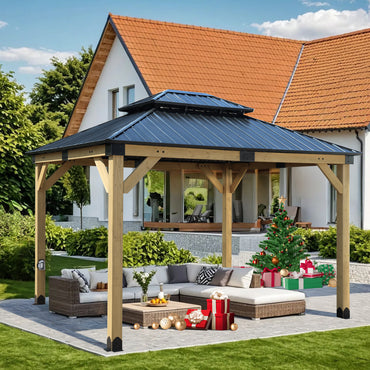
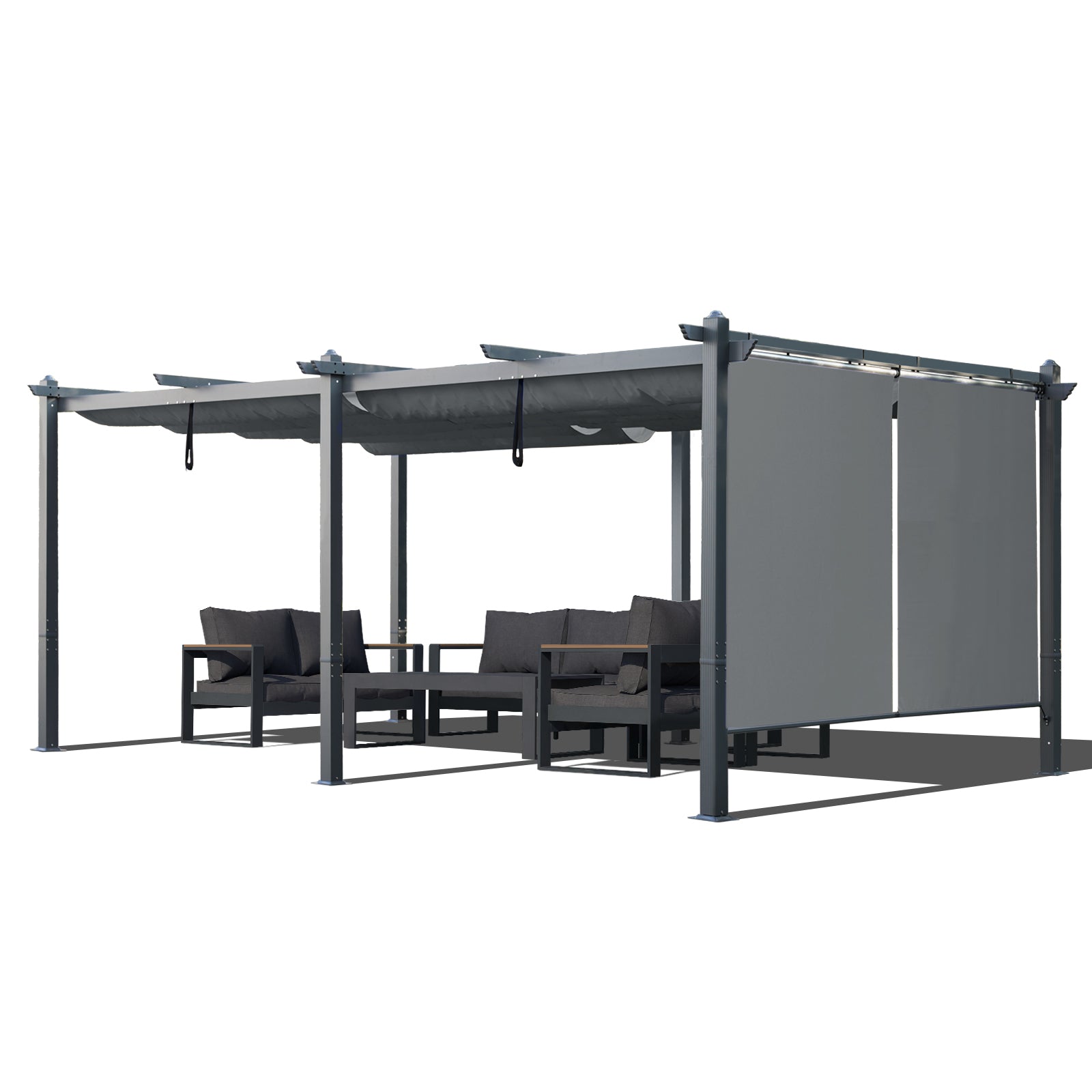
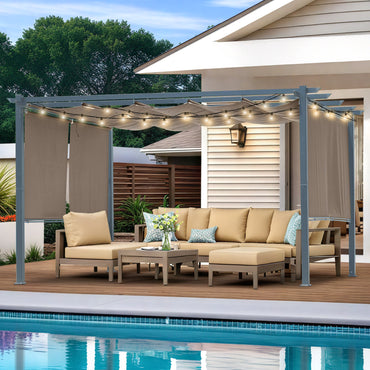
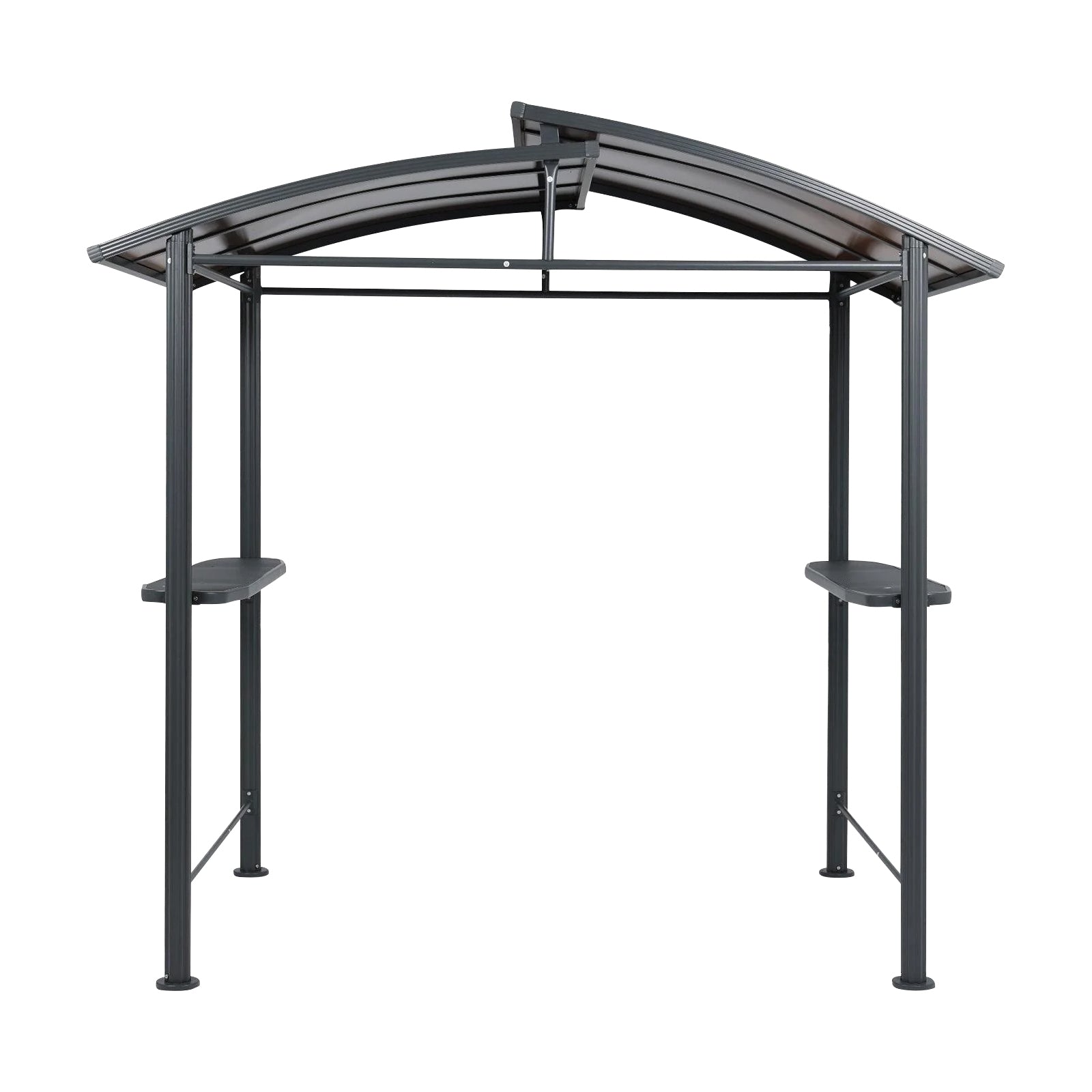

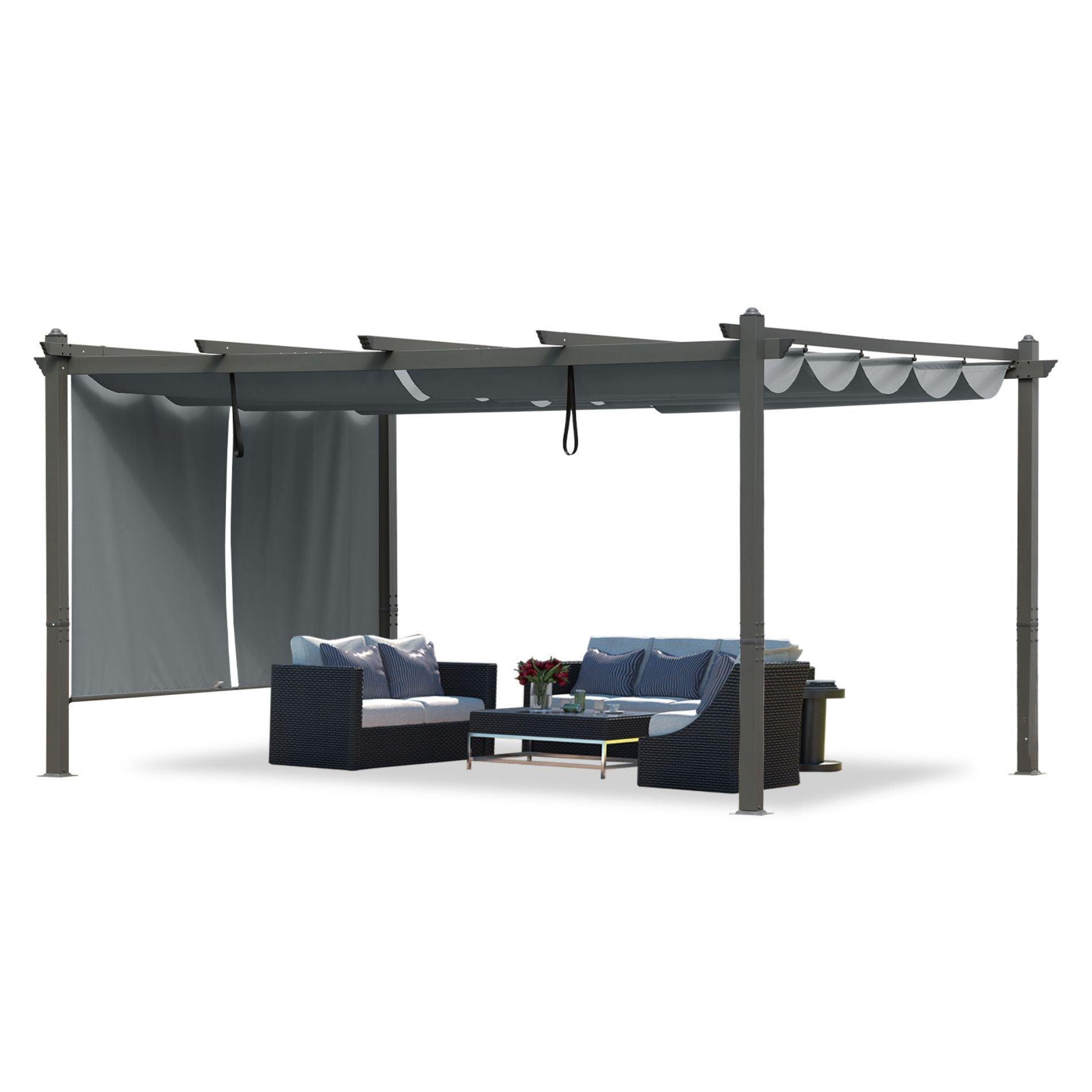
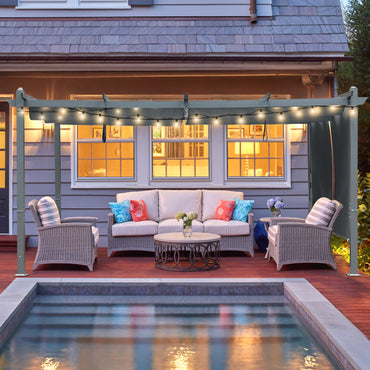
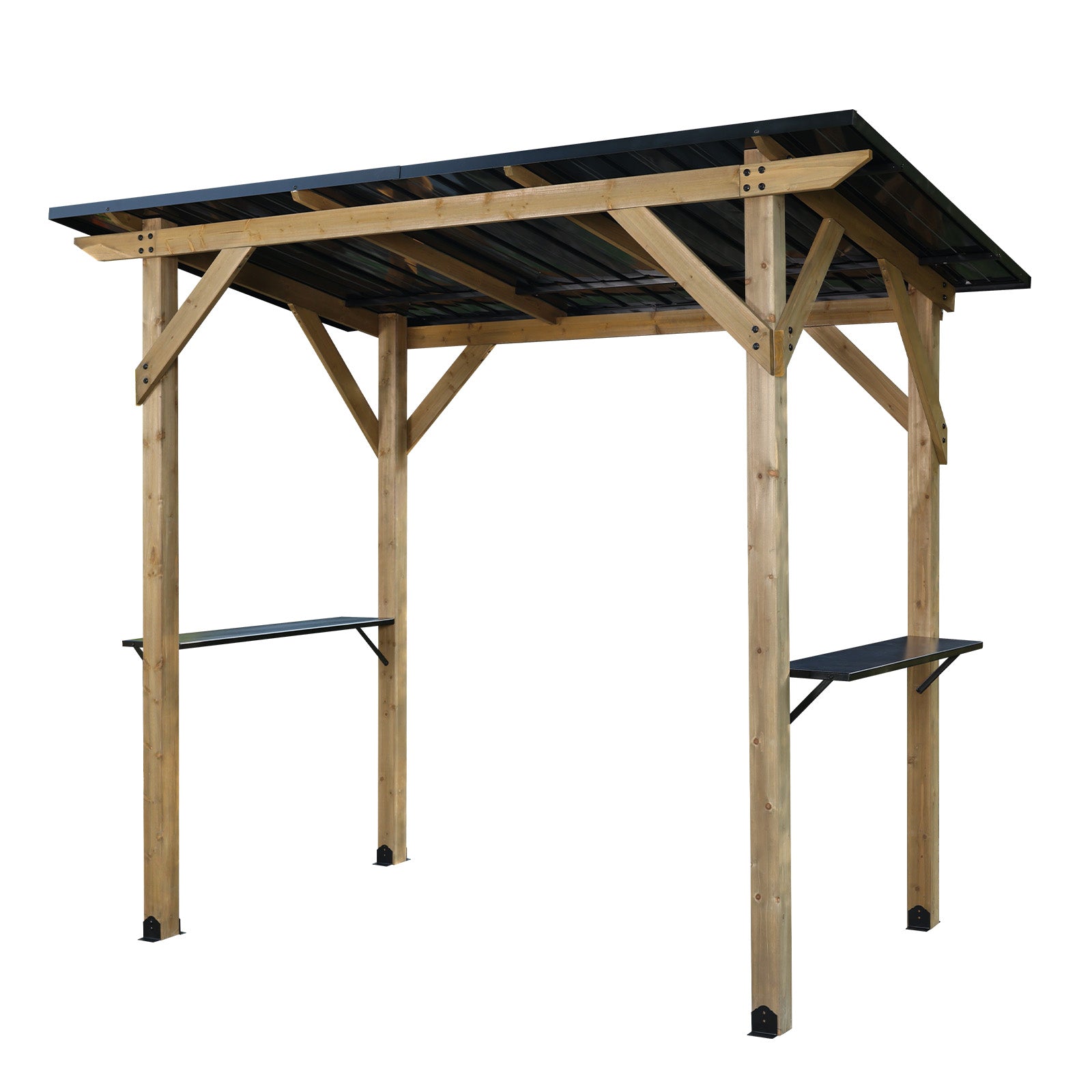
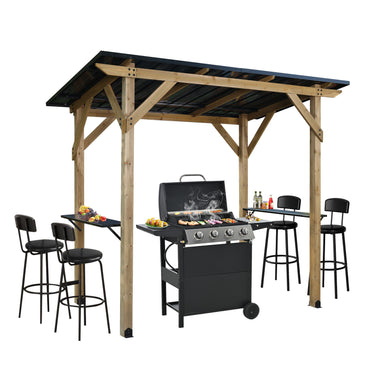
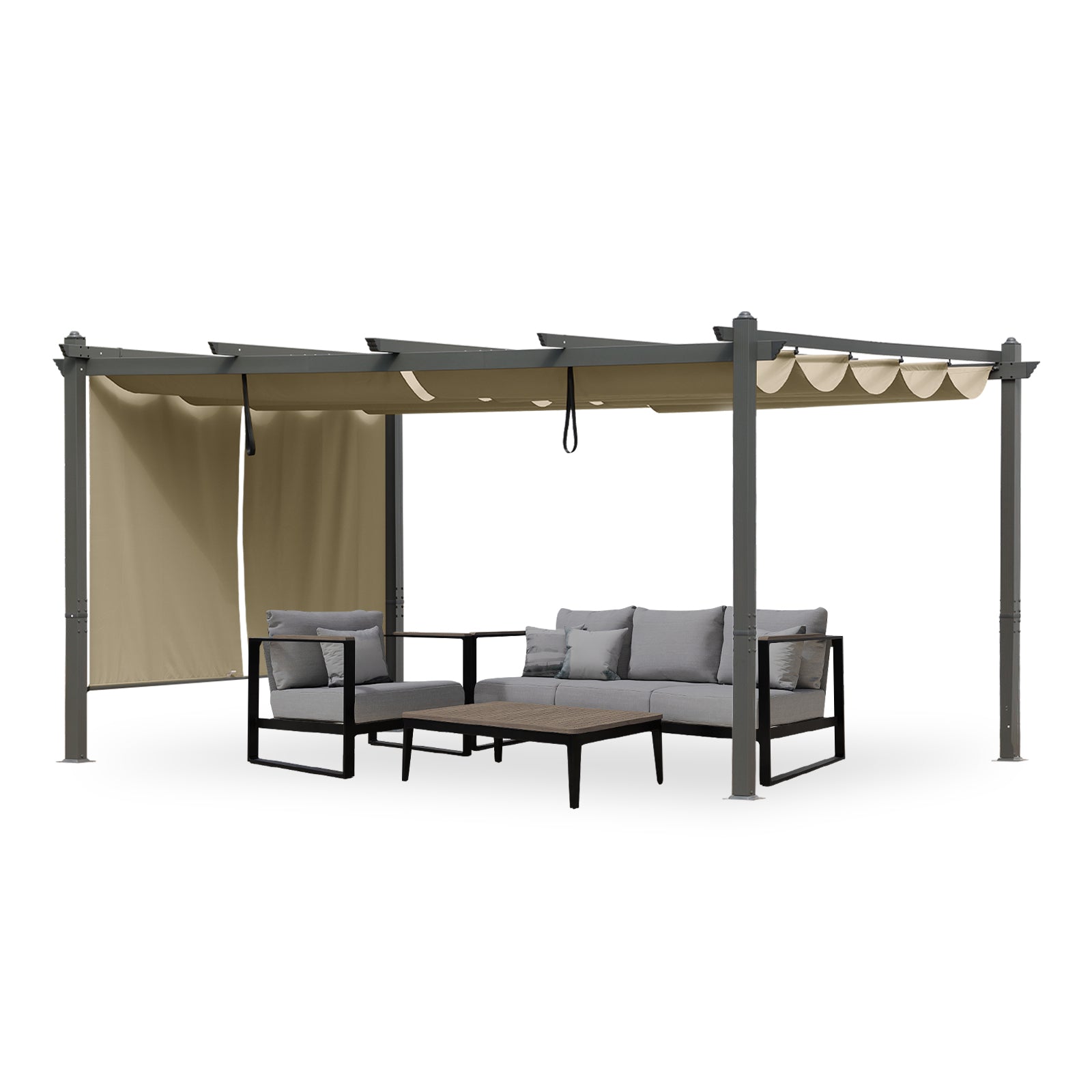
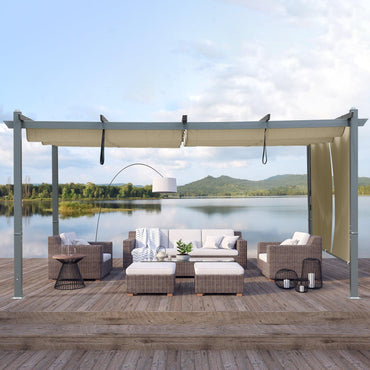
The pergola vs gazebo question is one of the most common decisions homeowners face when upgrading a backyard. Both structures add shade, define outdoor living space, and increase the usability of a yard across the warmer months. But they are built differently, perform differently in rain and sun, and suit different use cases. This collection brings together Aoodor's hardtop gazebos and retractable-canopy pergolas so you can compare, choose, and shop in one place.
Shop Aoodor Gazebos and Pergolas
This collection brings together 14 products spanning both structure types, from compact grill gazebos and standalone hardtop gazebos to aluminum pergolas with retractable shade canopies in sizes ranging from 10x10 ft to 12x20 ft. Whether you have already decided which structure fits your backyard or you are still comparing, every product in this collection is built for a residential outdoor space, priced for a realistic home improvement budget, and ships free across the contiguous US. If the pergola vs gazebo comparison is still open, the sections below walk through the key differences, use-case guidance, and size recommendations before you shop.
The Core Difference Between a Pergola and a Gazebo
The single most important factor separating a pergola from a gazebo is the roof. Everything else, including size, style, and weather performance, follows from that one structural decision.
What Is a Pergola
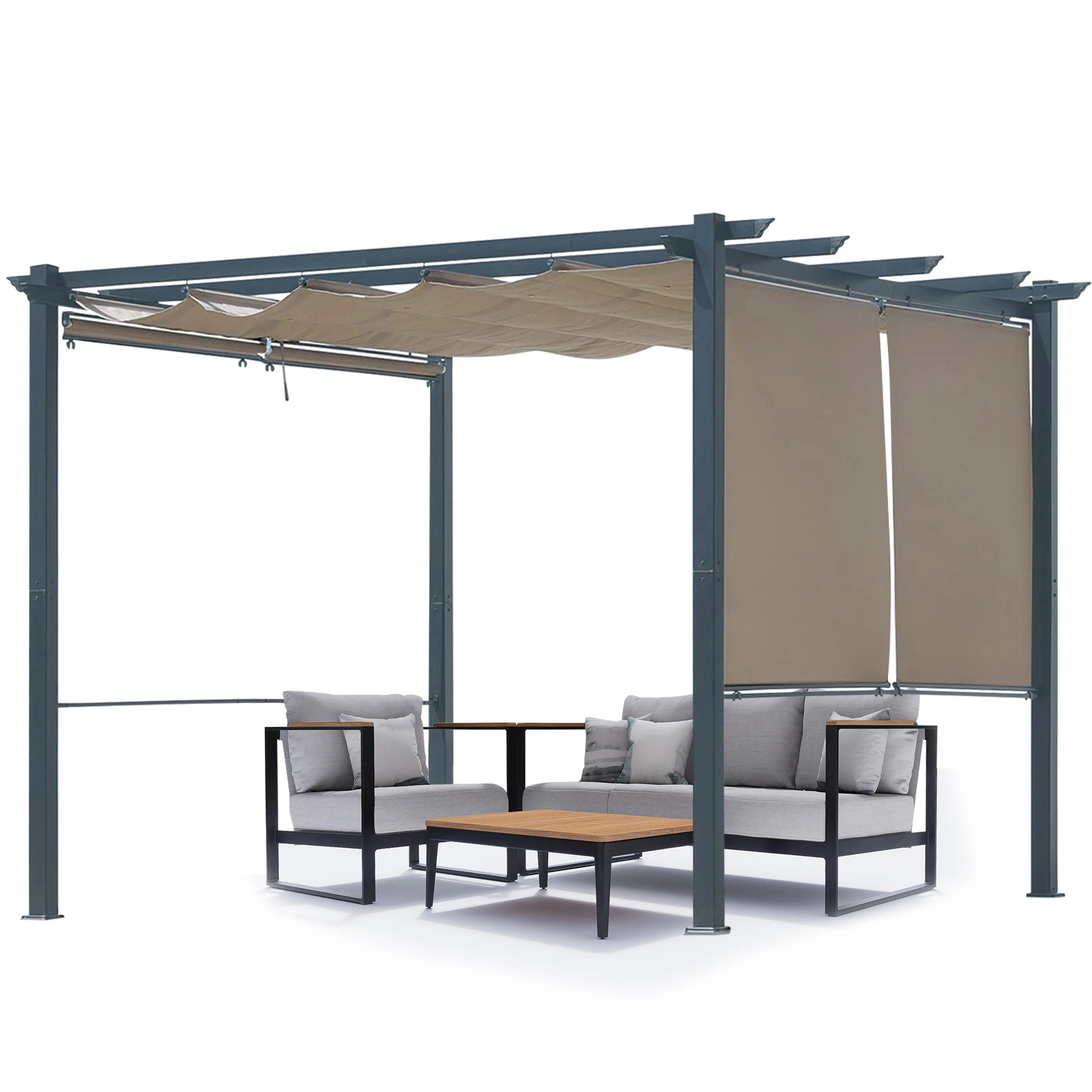
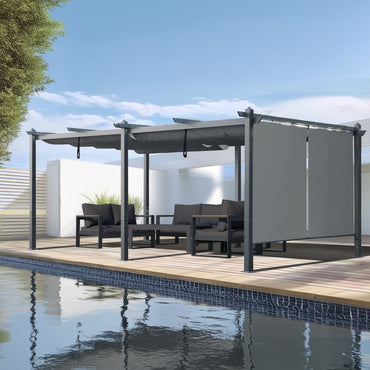
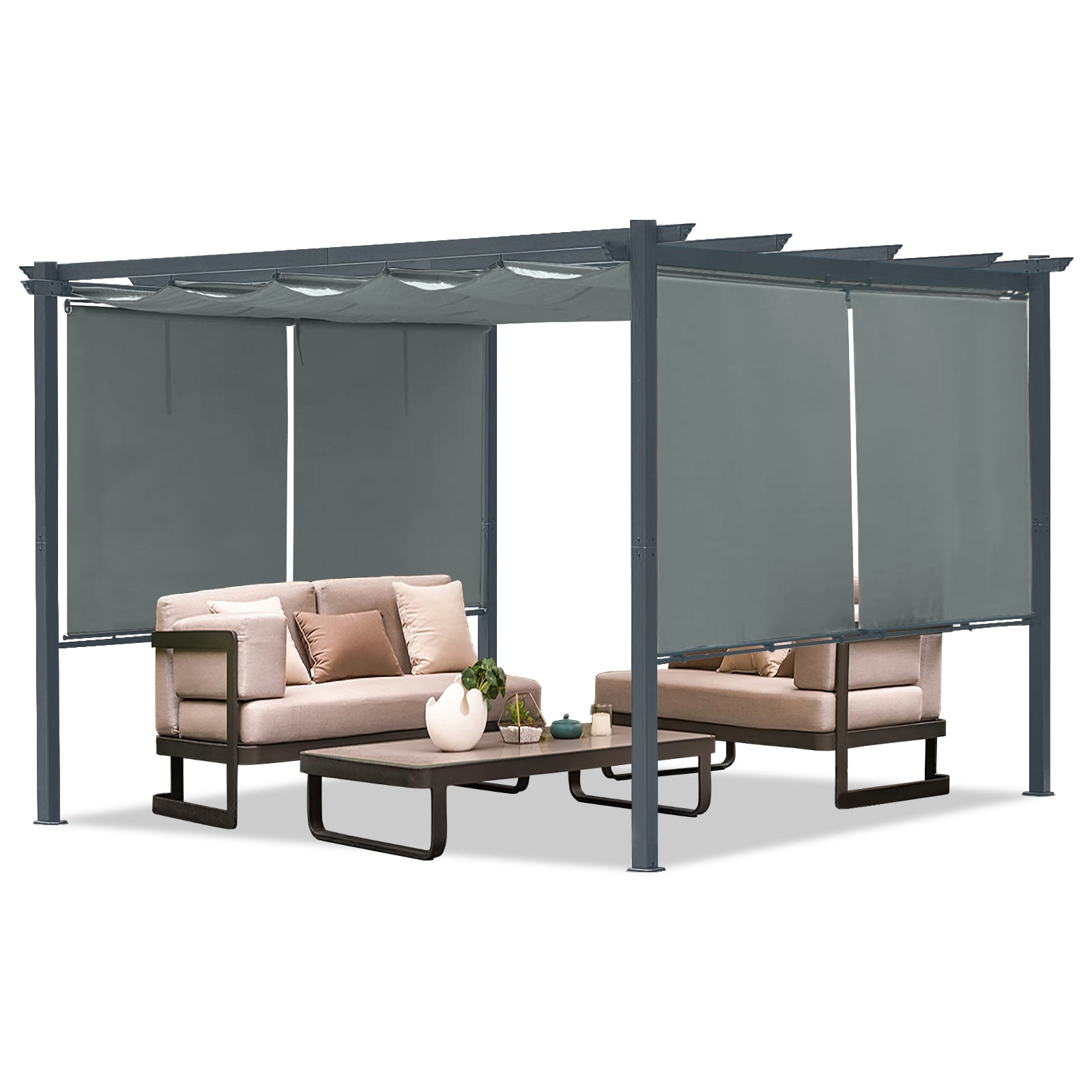
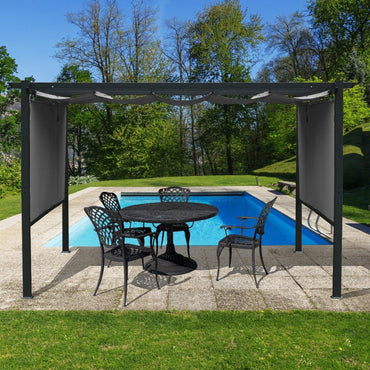
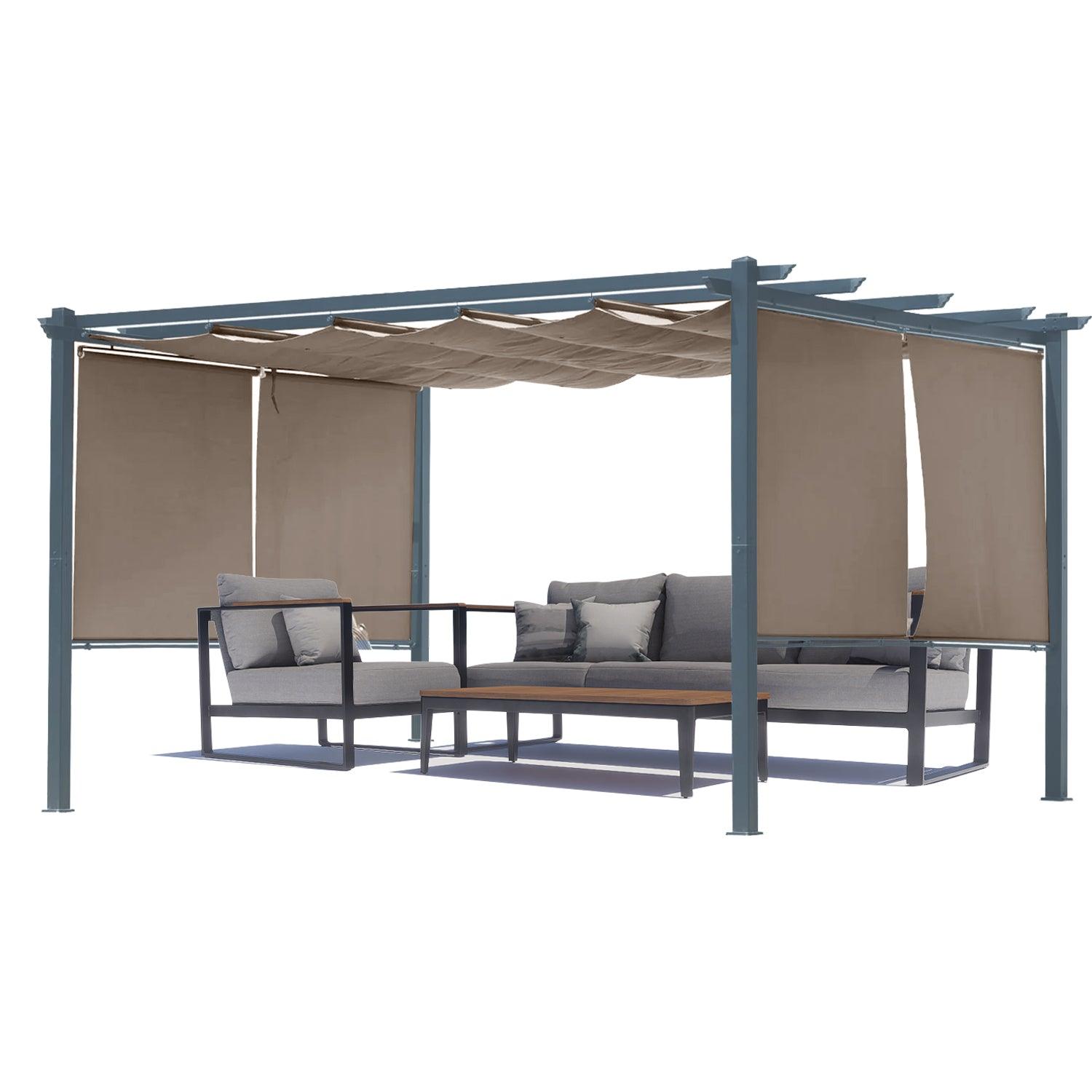
A pergola is a freestanding or wall-attached structure built with four or more vertical posts supporting an open, slatted roof made of horizontal beams and crossbars. The open roof filters sunlight rather than blocking it, creating a pattern of light and shade underneath rather than full coverage. This keeps the space beneath the pergola bright and airy, with strong ventilation and an open-sky feeling even when you are sitting under it. Traditional pergolas offer partial shade only. Pergolas fitted with a retractable fabric canopy add adjustable sun protection without eliminating the open, outdoor feel that makes pergolas distinctive in any pergola vs gazebo comparison. Pergolas are generally rectangular, which makes them easy to fit standard dining tables, sectional sofas, and outdoor kitchen setups.
What Is a Gazebo
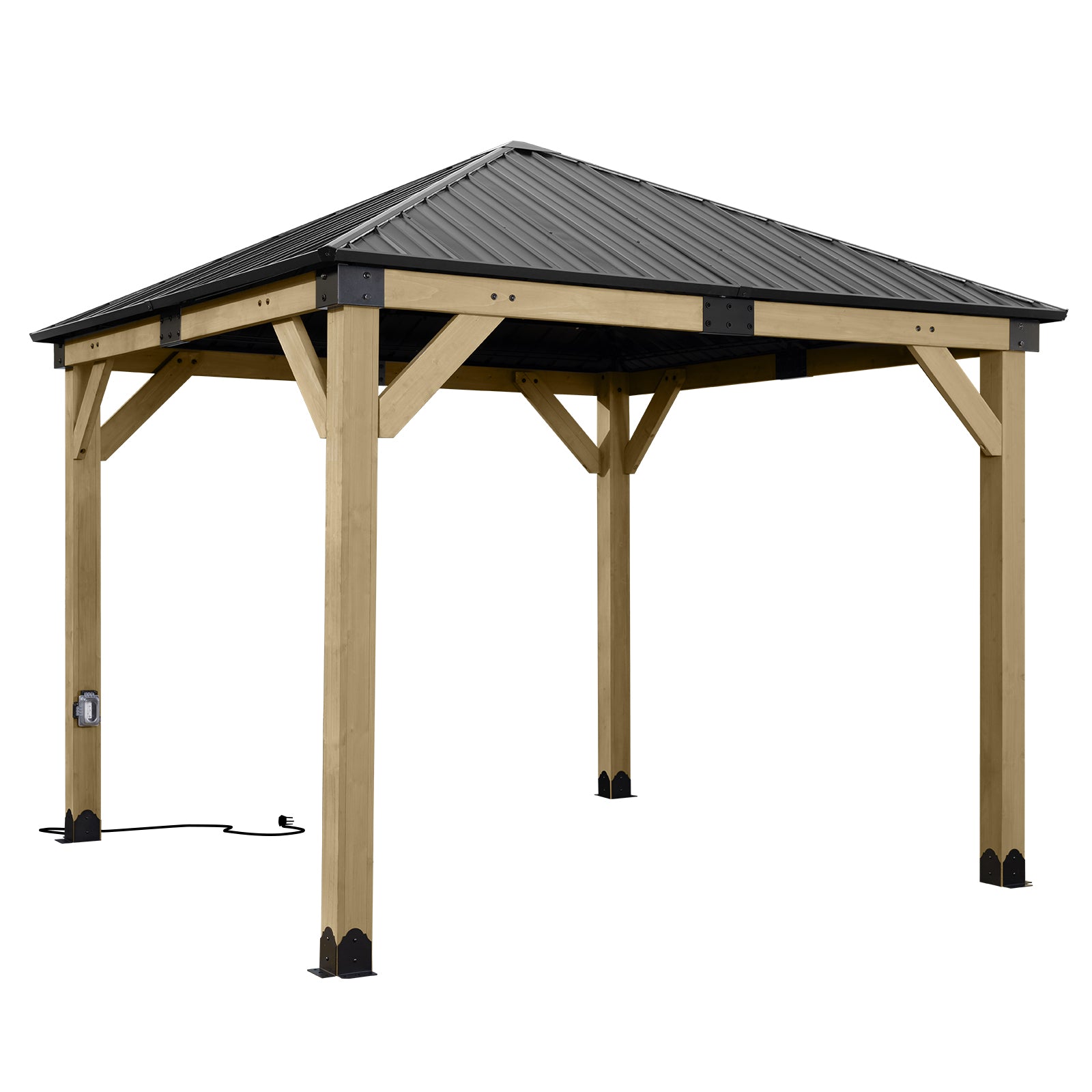
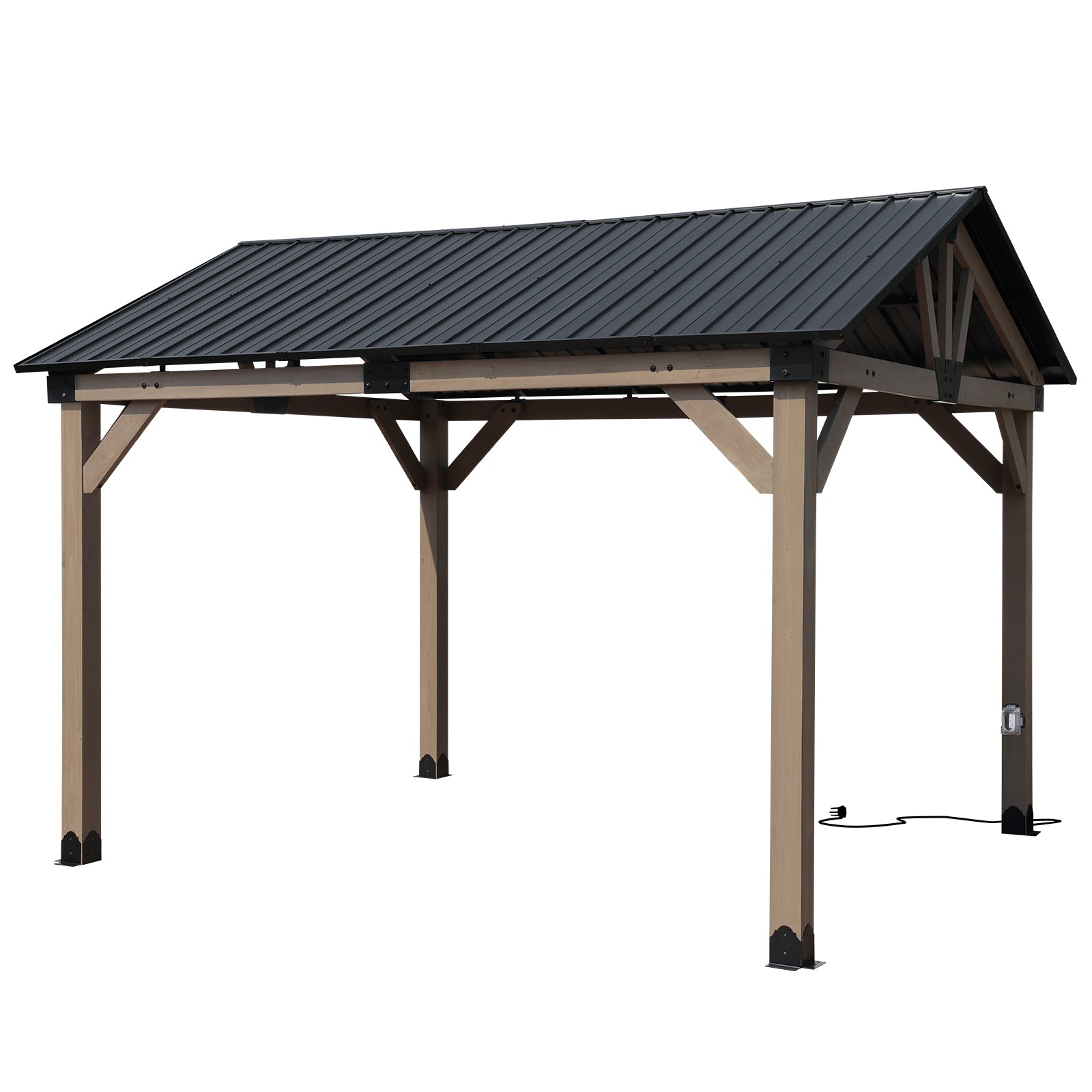
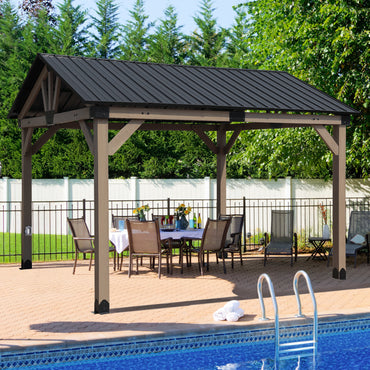
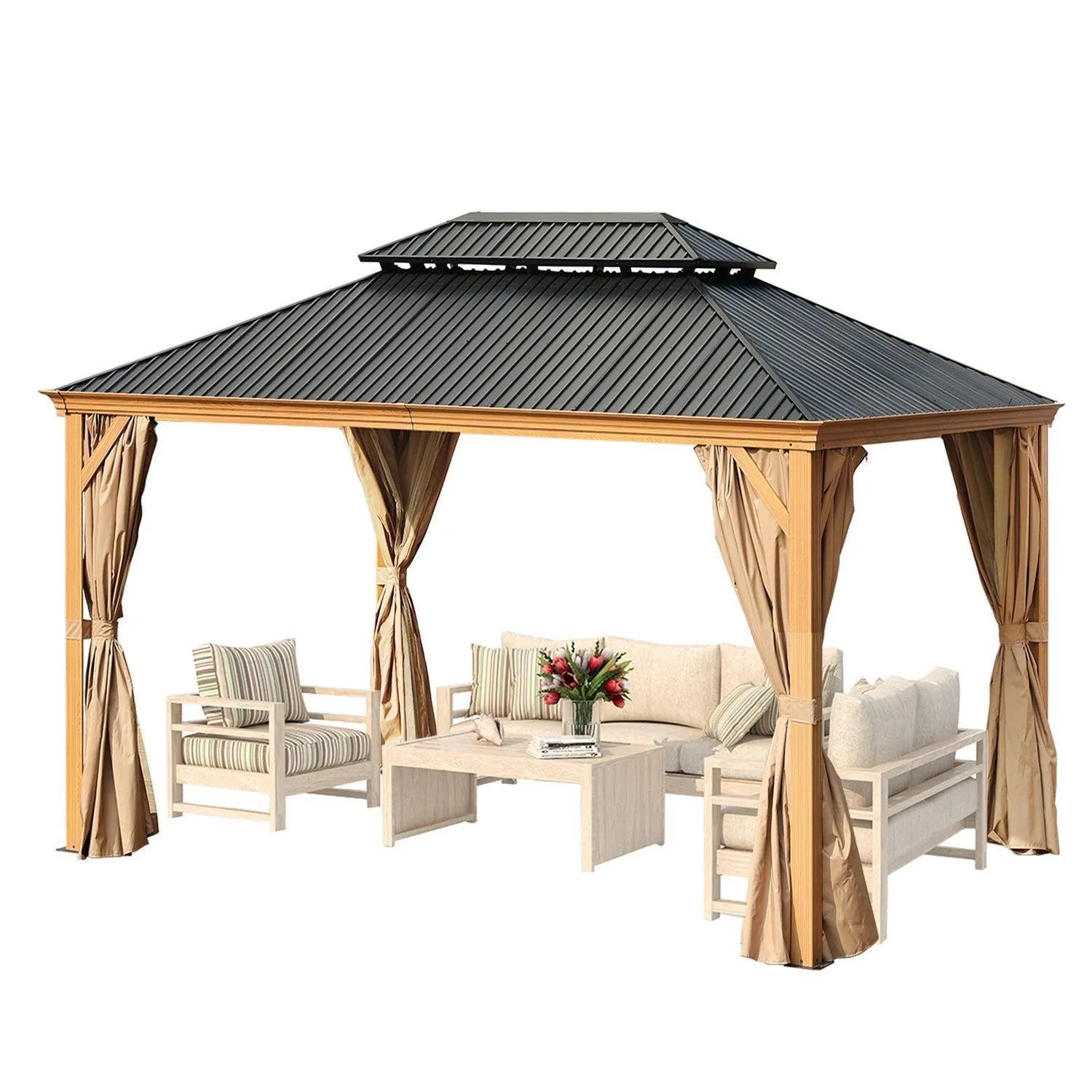
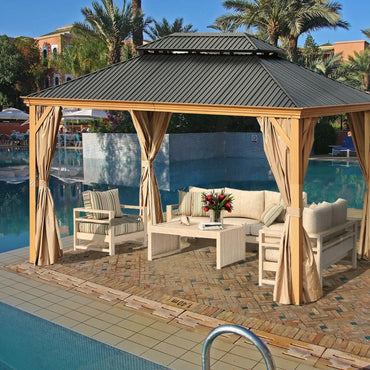
A gazebo is a freestanding structure with a fully enclosed solid roof that provides complete protection from sun, rain, and in some cases wind. The roof is the defining feature: it closes off the sky entirely, creating a sheltered room-like atmosphere underneath. Most gazebos are hexagonal or octagonal in shape, which gives them a classic garden aesthetic and creates a defined, enclosed outdoor space. Hardtop gazebos use galvanized metal, aluminum, or polycarbonate roofing for maximum durability and all-season performance. The solid roof also creates a natural mounting surface for lighting, fans, and curtain tracks, making gazebos easy to outfit as a functional outdoor room.
Side-by-Side Comparison
Understanding the gazebo vs pergola difference at a glance helps narrow the decision faster. The table below covers the factors that matter most when choosing between the two structures for a backyard.
Pergola
- Roof type: Open, slatted, or retractable canopy.
- Weather protection: Provides partial shade; canopy models offer additional rain protection.
- Space needed: Minimum 8×8 ft; works well up to 12×12 ft.
- Ideal use: Dining area, garden feature, or an open-air lounge.
- Furniture fit: Rectangular design fits standard outdoor tables and sectional seating.
- Price range (kit): $350–$800 for Aoodor canopy pergolas.
- Maintenance: Low; aluminum frame only requires occasional wipe-down.
A pergola suits smaller patios and open-feel dining areas where partial shade is enough; a gazebo suits larger yards where full weather protection and an enclosed outdoor room are the priority.
Pergola vs Gazebo by Use Case: Which Should You Choose
The most reliable way to settle the pergola vs gazebo decision is not by comparing specs in isolation but by matching each structure to how you actually use your outdoor space on a typical day.
Choose a Gazebo If...
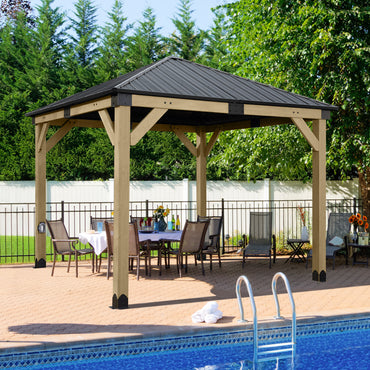
A gazebo is the right choice when you need dependable protection from rain and want to use the outdoor space regardless of the weather. If your backyard hosts gatherings through late summer when afternoon thunderstorms are common, a solid roof means the party does not move indoors every time clouds appear. Gazebos are also the better option for protecting a hot tub, an outdoor kitchen, or a grill station, since the enclosed roof shields equipment from water and UV damage year-round. The enclosed structure creates a stronger sense of a dedicated outdoor room, which works well for yards large enough to set it apart from the surrounding space. Aoodor's hardtop gazebos are built with galvanized metal roofs, powder-coated aluminum or wooden frames, and optional mosquito netting and curtains that turn the structure into a fully functional outdoor room.
Choose a Pergola If...
A pergola is the better choice when you want to define a space without closing it in, when your yard benefits from an open, airy structure rather than an enclosed one, or when size constraints make a full gazebo impractical. Pergolas photograph well and add a strong architectural element to a patio without dominating the surrounding yard visually. The rectangular footprint fits standard outdoor furniture configurations without the layout challenges that come with a hexagonal or octagonal gazebo floor plan. For a backyard used mostly for evening dinners, weekend lounging, or garden display rather than all-weather entertaining, a pergola delivers the structure and shade needed without the enclosed feel of a gazebo.
When a Pergola with Canopy Is the Best of Both
Aoodor's retractable-canopy pergolas occupy a middle ground between the two structures worth considering if you want the open feel of a pergola but also need protection from afternoon sun or occasional light rain. The aluminum frame provides the open, rectangular structure of a standard pergola, while the roller shade canopy panels extend to cover the top fully when needed and retract completely when you want open sky. This lets the structure function as an open pergola on mild days and as a covered shelter when conditions call for it. The pergolas with shade canopy collection includes sizes from 10x10 ft through 16x12 ft, covering most backyard setups from a compact patio corner to a full outdoor dining area.
How Size and Yard Shape Affect Your Decision
The physical size of your available outdoor space plays a significant role in the pergola vs gazebo decision, and it is one of the factors that comparison guides often address only briefly.
Pergolas work proportionally in smaller spaces. A 10x10 or 12x12 ft aluminum pergola with a retractable canopy fits a standard patio without dominating the yard visually, and the open roof keeps the space from feeling enclosed even when the coverage area is compact. The rectangular shape also makes it easy to position the pergola directly against a house wall or deck edge, which extends usable space without requiring a large clear area in the center of the yard.
Gazebos need more room to look proportional and function well. A hardtop gazebo positioned in a yard with less than 14 feet of open space in any direction tends to feel cramped from inside and visually oversized from outside. The hexagonal or octagonal shape means the structure sits in the center of the yard as a focal point rather than along an edge, which requires enough surrounding space to make the centerpiece placement work. As a practical rule, if your available patio space is 12x12 ft or smaller, a canopy pergola is the proportionally correct choice. If you have 14x14 ft or more of open yard space, a hardtop gazebo becomes a strong option.
Furniture layout is another size-related consideration that is easy to overlook. Standard outdoor dining sets, L-shaped sectionals, and outdoor kitchen configurations are all rectangular. A rectangular pergola accommodates these setups directly. A hexagonal or octagonal gazebo floor plan requires more thought to avoid wasted corner space or awkward furniture angles.
Why Buy Your Gazebo or Pergola at Aoodor
Weather-tested construction included in the base price. Every gazebo and pergola in this collection uses powder-coated aluminum or galvanized metal components that resist rust and UV damage as standard, not as an upgrade. Curtains, netting, and canopy panels are included with most models rather than sold separately.
Dimensions listed for inside and outside frame. Each product page shows both the outer footprint and the usable interior space, which is the measurement that determines whether your furniture fits. Most outdoor structure retailers list only the overall footprint.
Sizes for real backyards. The collection covers the most common American backyard sizes, from compact 10x10 ft setups to 12x20 ft covered areas, with nothing sized for a commercial pavilion project that would be impractical for a residential yard.
Free shipping and direct support. Every gazebo and pergola ships free across the contiguous US, and the Aoodor support team can answer installation and sizing questions before you order.
Frequently Asked Questions
What is the main difference in the pergola vs gazebo comparison?
The primary difference is the roof. A pergola has an open, slatted roof that provides partial shade and full ventilation. A gazebo has a solid, fully enclosed roof that provides complete protection from sun and rain.
In a gazebo vs pergola comparison, which provides better rain protection?
A gazebo provides better rain protection due to its solid roof. A standard pergola does not block rain, though Aoodor's retractable canopy pergolas provide meaningful cover when the canopy is fully extended.
Which is better for a small backyard?
A pergola fits smaller spaces more proportionally. As a general guideline, patios of 12x12 ft or less are better suited to a canopy pergola. Gazebos work best with 14x14 ft or more of open space to feel proportional from both inside and outside the structure.
Can I put a dining table under a pergola or gazebo?
Yes to both, but pergolas accommodate standard rectangular dining sets more naturally since they share the same rectangular footprint. Hexagonal or octagonal gazebos require more planning to fit rectangular furniture without wasting corner space.
Do Aoodor gazebos include curtains and netting?
Most Aoodor hardtop gazebo models include mosquito netting and side curtains as part of the base product. Check the individual product listing to confirm what is included before purchasing.
What accessories can I add to a gazebo?
Mosquito netting, privacy curtains, replacement roof panels, and hanging light kits are the most common additions. Browse the gazebo accessories collection for options that fit Aoodor structures.
Is a pergola or a gazebo easier to assemble?
Both are DIY-assemblable with two people and standard tools. Pergolas are generally faster to assemble due to fewer components. Gazebos take longer because the roof section involves more pieces, but most Aoodor models include clear instructions and all necessary hardware.
Whether you have decided on a gazebo or a pergola, or you are still working through the pergola vs gazebo comparison, this collection gives you both options in one place alongside the sizing and use-case guidance to make a confident purchase.