






Quick Answer: Yes, properly engineered pergolas can withstand high winds ranging from 50-130+ mph depending on materials and installation. Aluminum and steel structures with reinforced anchoring outperform traditional wood or vinyl pergolas in storm conditions. The key is matching your pergola selection to your region's wind load requirements while ensuring professional installation with deep concrete footings.
Understanding whether pergolas can withstand high winds isn't just about buying the right structure—it's about protecting your investment and ensuring your family's outdoor space remains safe during severe weather. With hurricane-force winds becoming more common across many U.S. regions, choosing a wind-resistant pergola has become a top priority for homeowners. This comprehensive guide breaks down wind ratings by material, essential design factors, and expert recommendations to help you select a pergola that stands strong when storms roll through.
Wind Resistance by Material
Different pergola materials handle wind forces very differently. Here's how the most popular options compare when answering "how much wind can a pergola withstand":
|
Material |
Typical Wind Rating |
Pros for High Winds |
Cons |
|
Aluminum |
105-130+ mph |
Lightweight yet strong, corrosion-resistant, engineered frames with reinforced joints, excellent strength-to-weight ratio |
Higher upfront cost, requires professional installation for optimal ratings |
|
Steel |
100-120 mph |
Maximum structural strength, best for extra-large spans, powder-coated for weather protection |
Heavy (requires stronger foundations), potential rust without proper coating |
|
Pressure-Treated Wood |
50-75 mph |
Natural appearance, customizable designs, moderate cost |
Weakens over time with moisture exposure, joints loosen, regular maintenance required |
|
Vinyl/PVC |
40-60 mph |
Low maintenance, won't rot or splinter, affordable option |
Lowest wind resistance, can crack in extreme cold, hollow posts offer minimal strength |
|
HDPE Poly Lumber |
60-80 mph |
Weather-resistant, won't rot or fade, more durable than vinyl |
Still weaker than metal options, can flex in high winds, limited for large structures |
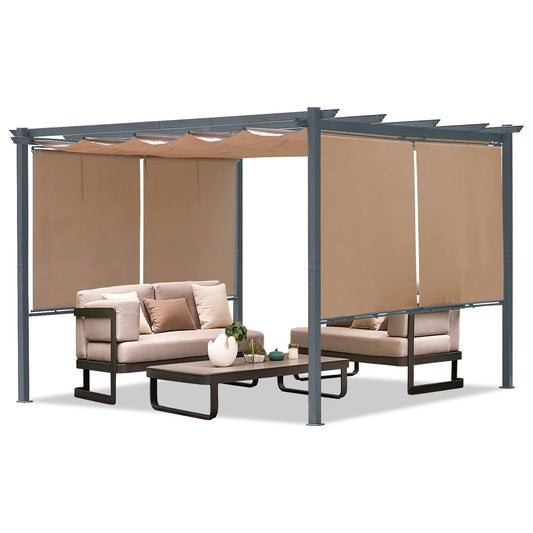
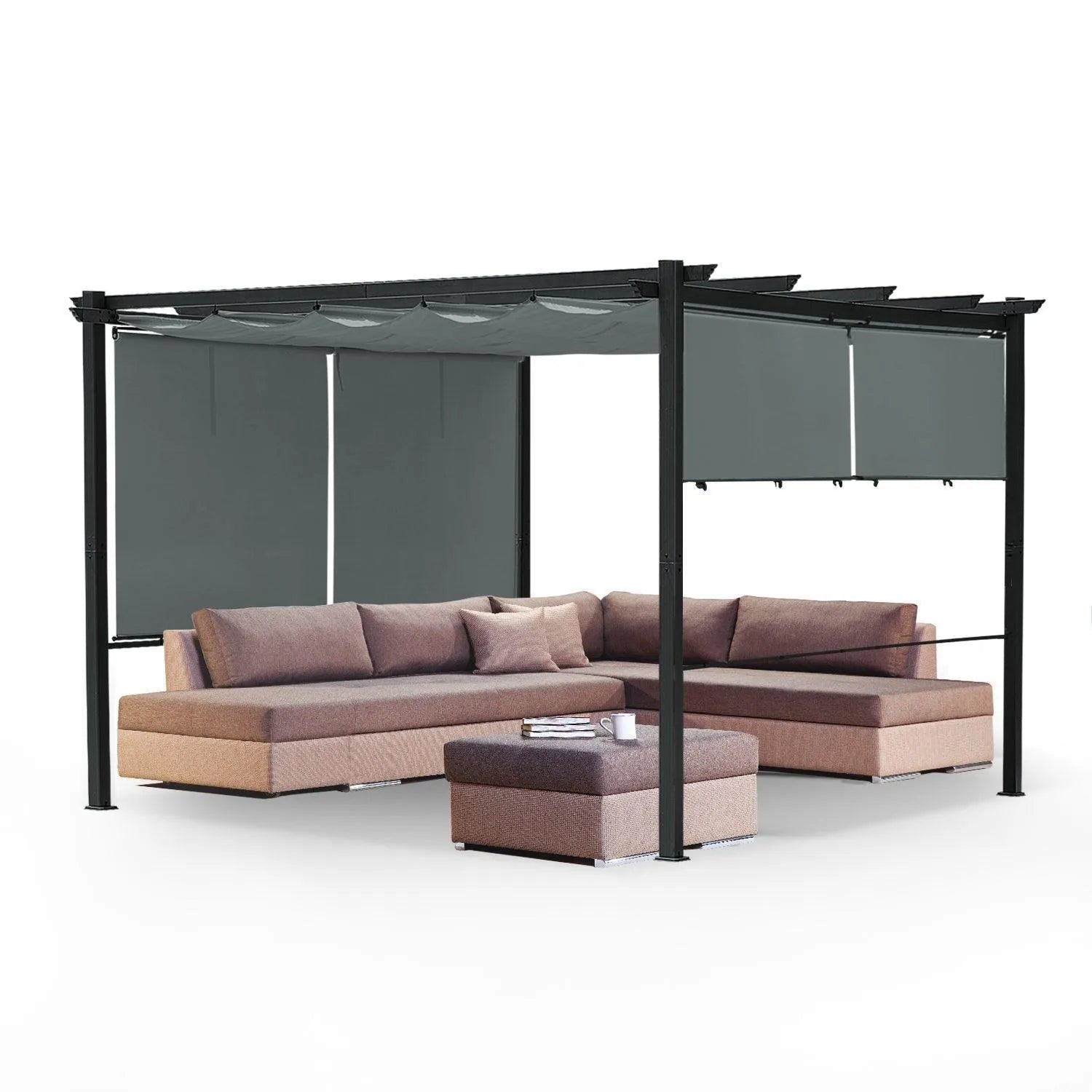
For families in high-wind regions, aluminum pergolas with shade canopies typically offer the best balance of durability and performance, with many models engineered specifically for hurricane-prone areas.
Installation quality dramatically impacts these ratings. Even a 130 mph-rated aluminum pergola will fail if improperly anchored. The connection between your pergola and the ground is just as important as the material itself. Always follow manufacturer specifications for footing depth and anchoring systems to achieve the advertised wind ratings.
Key Factors for Wind Durability
Anchoring and Foundation Systems
The anchoring system is the single most critical factor determining whether your pergola survives high winds. This is where theory meets reality—a pergola rated for 120 mph winds will become airborne in a 70 mph storm if the foundation fails.
Concrete Footings: Professional installations use footings that extend 36-48 inches deep, well below the frost line. These concrete anchors should be 12-16 inches in diameter and use reinforced steel rebar for maximum holding power. In hurricane zones along the Gulf Coast and Atlantic seaboard, footings may need to reach 60+ inches deep to meet local building codes and resist extreme uplift forces.

Post Attachment Methods: The connection between posts and footings must be engineered to resist both uplift and lateral forces. Heavy-duty post brackets embedded directly into wet concrete provide far superior hold compared to surface-mounted anchor bolts. These brackets should be galvanized or stainless steel to prevent corrosion that weakens connections over time.
Quality wall-mounted pergolas gain additional stability by anchoring directly to your home's structural wall framing rather than just exterior siding. This distributed load-bearing approach can increase wind resistance by 20-30% compared to freestanding models.
Soil Conditions Matter: Sandy or loose soils require deeper footings or additional anchoring measures like helical piers that screw deep into stable soil layers. Clay soils offer better holding power initially but expand and contract with moisture changes, requiring specific engineering considerations and expansion joints.
Design Features That Reduce Wind Load
Smart pergola designs minimize wind resistance through several proven engineering principles:
Roof Configurations: Sloped roofs allow wind to flow over the structure rather than catch underneath, reducing dangerous uplift forces by 30-40%. Flat roofs act like airplane wings in high winds, creating massive uplift that can tear even well-anchored posts from their footings. Louvered roof systems offer even better performance—when properly engineered, the adjustable louvers can be positioned to minimize wind catch during storms while maintaining weather protection during normal use.
Profile and Height: Lower-profile pergolas experience significantly less wind force. A 9-foot tall pergola faces approximately 20% less wind pressure than a 12-foot structure of identical design. This is one important reason why understanding proper pergola height matters for both aesthetics and structural integrity in high-wind regions.

Lattice Density and Openness: Open lattice designs with 50-60% open area allow wind to pass through rather than creating a solid sail effect that catches every gust. However, completely open structures sacrifice shade and weather protection. The ideal balance provides adequate sun coverage while maintaining wind permeability that reduces overall structural stress.
Structural Bracing: Cross-bracing and diagonal supports dramatically increase rigidity and distribute loads more evenly. Look for designs with reinforced corner joints, gusset plates at connection points, and additional support brackets at high-stress areas where posts meet beams.
Building Code Requirements
Local building codes establish minimum wind load requirements based on regional risk factors that have been refined over decades of engineering data:
Wind Zones: The United States is divided into wind zones ranging from 90 mph in low-risk inland areas to 150+ mph in exposed coastal hurricane zones. Your pergola must meet or exceed your specific zone's minimum requirements—not just national averages. Check with your local building department for exact specifications.
Hurricane-Prone Regions: Coastal areas from Texas through Florida and up the Atlantic seaboard to the Carolinas typically require 105-120 mph minimum ratings. Some jurisdictions mandate specific engineering certifications, periodic inspections, and hurricane strapping systems that exceed standard building practices.
Permit Requirements: Most municipalities require building permits for permanent pergola installations over a certain size. The permit process ensures your structure meets local wind load requirements and includes proper engineering documentation. Skipping permits to save money can void insurance coverage if storm damage occurs.

Top Wind-Resistant Pergola Picks
When selecting a pergola for high-wind areas, focus on these proven options that balance performance with practical installation:
Aluminum Louvered Pergolas: These represent the gold standard for wind resistance in residential applications. Engineered aluminum frames with motorized or manual louvers typically carry 105-130 mph ratings backed by engineering certifications. The adjustable louvers can be closed completely during storm warnings to reduce wind catch, then opened for ventilation and shade during normal conditions. Many models from Aoodor Shop's pergola collection feature reinforced aluminum construction specifically designed for challenging coastal weather conditions.

Heavy-Gauge Steel Structures: For maximum strength in extreme wind zones, powder-coated steel pergolas offer 100-120 mph ratings with minimal ongoing maintenance requirements. The added weight provides excellent stability and resistance to uplift forces, though installation costs run higher due to reinforced foundation requirements and the need for specialized equipment.
Hybrid Aluminum-Steel Designs: Some manufacturers strategically combine aluminum posts with steel cross-members and reinforcement plates, balancing weight savings with enhanced structural strength. These hybrid designs often achieve 100+ mph ratings while reducing overall installation complexity and foundation costs compared to pure steel construction.

Pro Tips for Selection
Verify Local Wind Loads: Always check with your building department for specific wind zone requirements before purchasing. Don't rely solely on general recommendations—microclimates near coastlines, mountain ranges, or open plains may have elevated requirements that differ from regional averages.
Examine Frame Thickness: For aluminum pergolas, look for posts with 3-4mm wall thickness as an absolute minimum. Thinner profiles of 2mm or less significantly compromise structural integrity and will not achieve advertised wind ratings under real-world conditions.
Review Connection Details: Quality pergolas use through-bolted connections with locking nuts rather than self-tapping screws at critical joints. Reinforced corner brackets, gusset plates, and marine-grade fasteners indicate superior engineering that will maintain structural integrity through repeated storm cycles.
Consider Retractable Options: Pergolas with retractable shade canopies offer smart versatility—you can remove the fabric during storm warnings to completely eliminate wind resistance while maintaining the structural frame. This approach protects your canopy investment and reduces peak wind loads by 40-50%.
The growing popularity of pergolas continues across American backyards, largely because modern engineering has made them far more durable than traditional designs from even a decade ago. Understanding why pergolas are so popular helps contextualize the importance of choosing wind-resistant options for long-term enjoyment and value.
Conclusion
Can pergolas withstand high winds? Absolutely—when properly engineered, professionally installed, and appropriately maintained. Quality aluminum or steel pergolas with appropriate wind ratings (105-130+ mph for most residential applications) will protect your outdoor investment through decades of seasonal storms and weather challenges. The key factors are selecting materials specifically matched to your regional wind loads, ensuring professional installation with deep concrete footings that meet or exceed code requirements, and choosing designs that intelligently minimize wind resistance through proven engineering principles.
For families planning their backyard oasis, wind resistance shouldn't be an afterthought added during installation—it should guide your initial pergola selection from the very first planning discussions. By following the guidelines in this article, you'll choose a structure that not only enhances your outdoor living space with beauty and functionality but also stands strong when Mother Nature tests its limits. Ready to explore wind-resistant options? Browse Aoodor Shop's complete pergola collection to find engineered solutions designed specifically for American climates and backed by professional engineering certifications.

