






The right patio color schemes can turn your outdoor space from ordinary to extraordinary. Color serves as the foundation of outdoor design, defining ambiance and setting the mood for every gathering, quiet morning, and evening relaxation.
Choosing patio colors feels overwhelming with endless options available. Wrong choices lead to costly mistakes or dated-looking spaces that don't reflect your style. A well-balanced patio color scheme defines your patio's atmosphere—whether energizing, calming, or welcoming—transforming everything from patio furniture and planters to accent walls and cushions.
This guide explores six proven color schemes for outdoor patios that work across various styles and climates. You'll discover practical tips for choosing colors based on maintenance needs, durability requirements, and desired mood, plus how to select weather-resistant materials that maintain their beauty through every season. Let's explore these transformative patio color schemes and discover which one speaks to your style.
6 Proven Patio Color Schemes for Every Style
These schemes balance aesthetics with practicality, considering maintenance requirements, climate conditions, and the mood you want to create in your outdoor sanctuary.
1. Minimalistic Dark: Sophisticated & Low-Maintenance
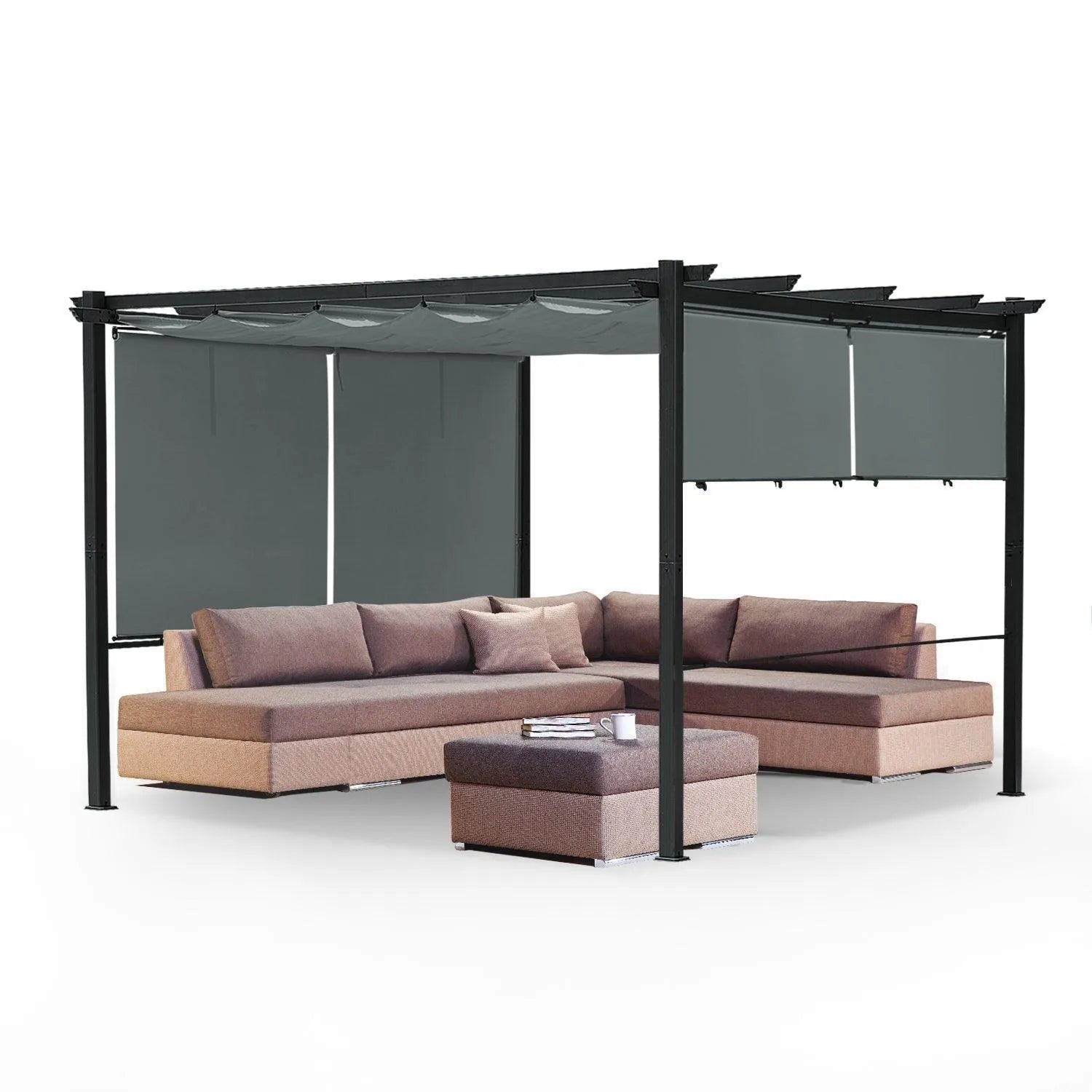
Embrace modern elegance with deep charcoal, navy, and matte black tones. This patio color scheme creates a sleek, contemporary atmosphere while hiding dirt and wear better than light colors—offering timeless appeal that won't go out of style.
Best for: Modern, minimalist, or urban patios
Color palette: Charcoal gray, navy blue, matte black, dark bronze accents
Key elements:
- Dark metal patio chairs or HDPE outdoor furniture in charcoal
- Contrast with white or metallic accents for visual interest
- Soft ambient lighting to prevent the space from feeling too heavy
- Green plants provide striking color contrast against dark backgrounds
Pro tip: Dark surfaces absorb heat, so balance with lighter cushions in sunny climates. The maintenance advantage is significant—stains and dirt remain far less visible than on lighter colors.

2. Basic Neutral: Timeless & Versatile
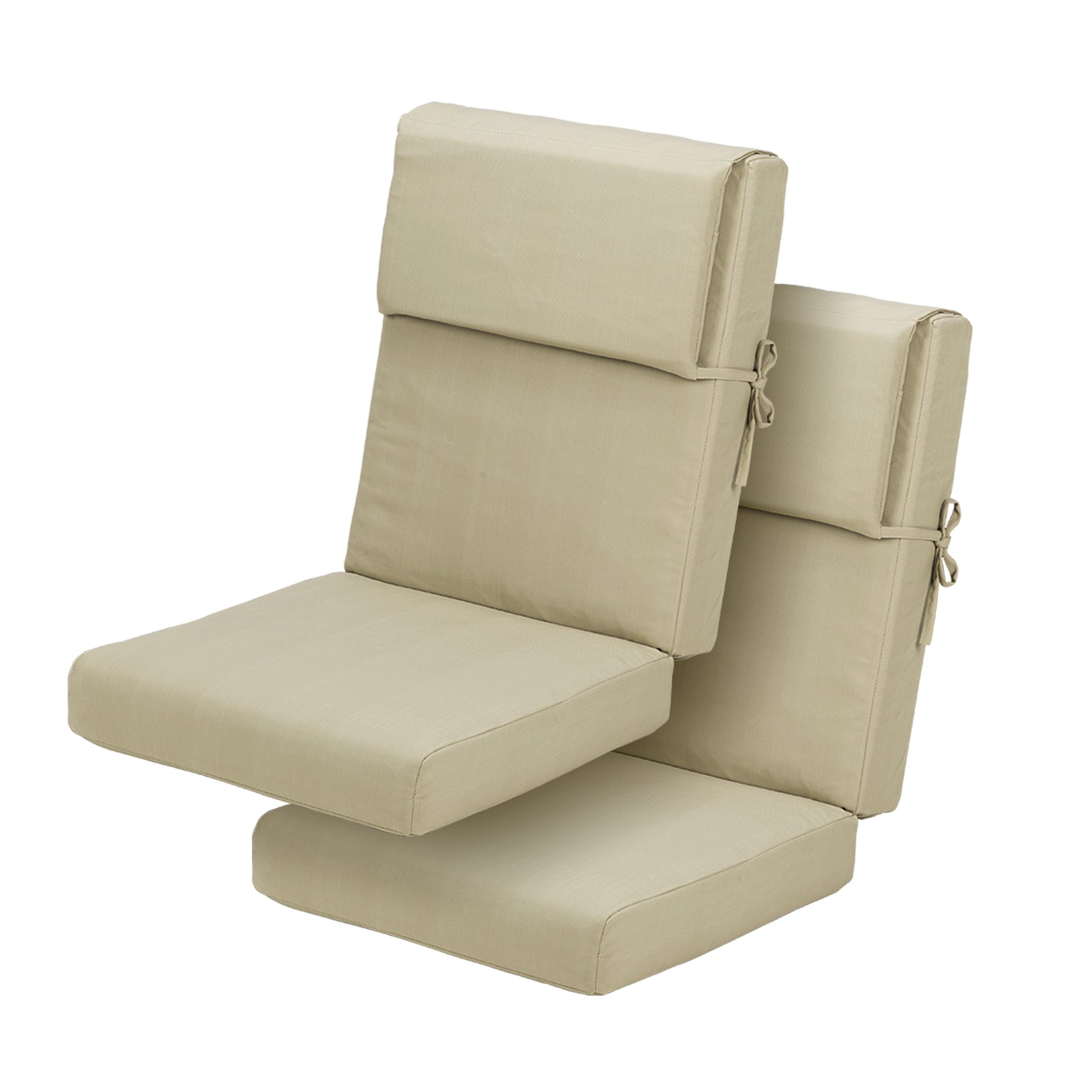
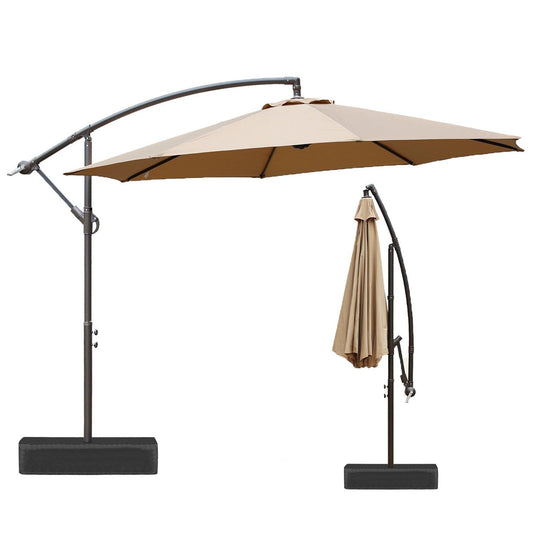
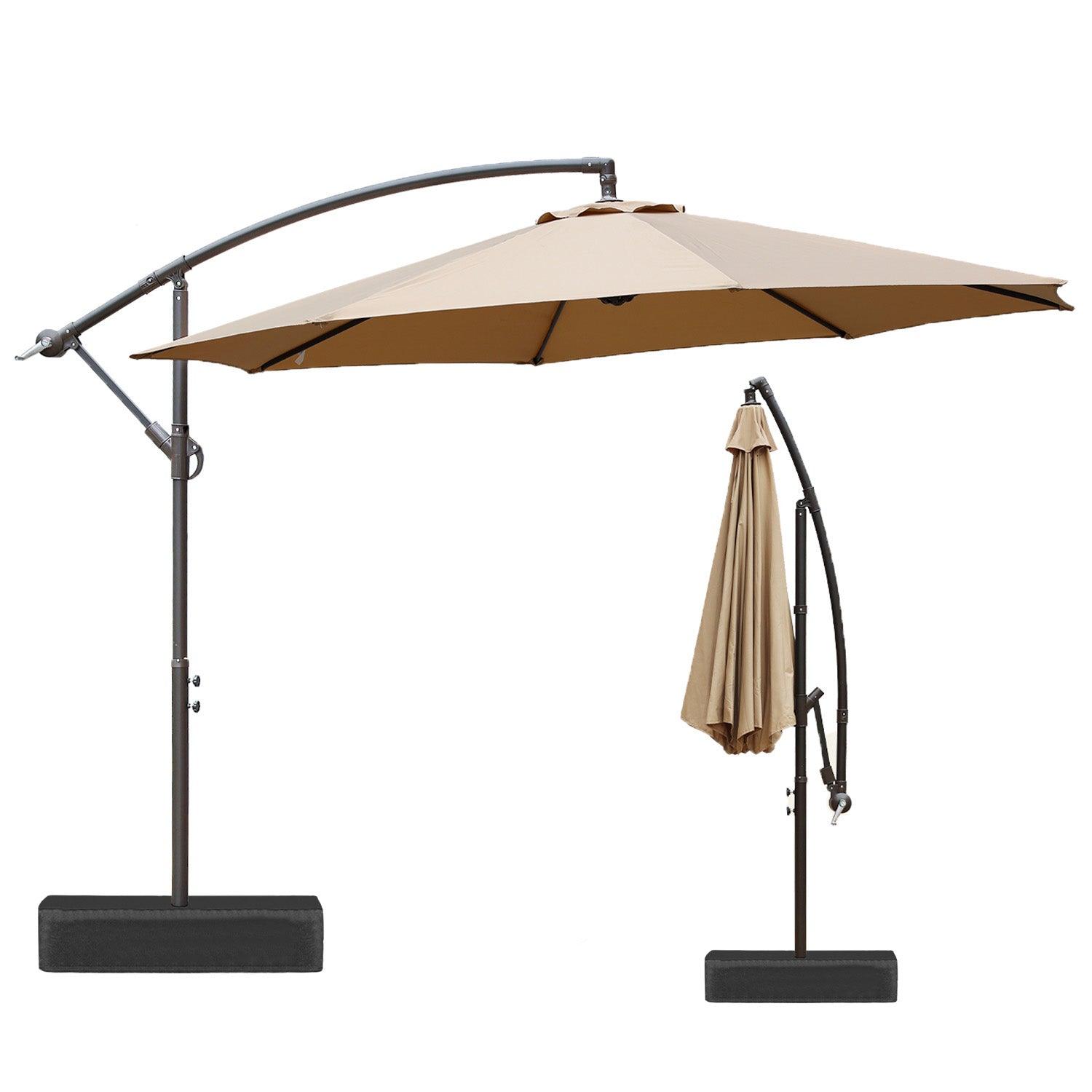
Neutral tones create a calm, elegant foundation that adapts to any season. This classic approach offers timeless elegance that never goes out of style, making it easy to update with seasonal accent colors while blending seamlessly with natural surroundings.
Best for: Traditional, transitional, or nature-inspired patios
Color palette: Beige, taupe, warm gray, cream, soft brown
Key elements:
- Weathered wood or neutral HDPE furniture as the foundation
- Layer various neutral textures (wicker, concrete, linen) for depth
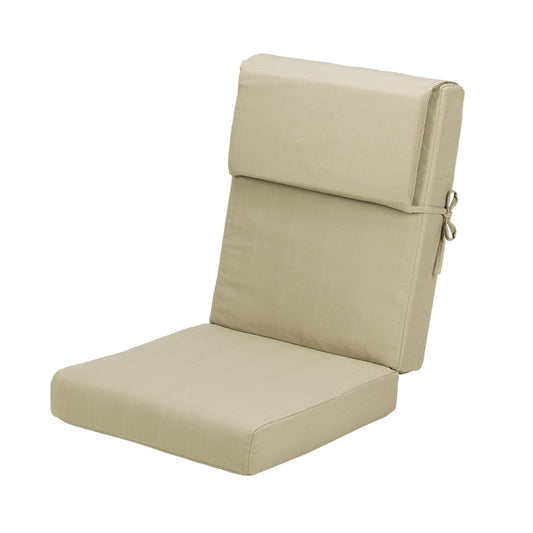
- Add pops of color through bench cushions and planters
- Natural stone or beige pavers complete the look
Pro tip: Prevent blandness by mixing multiple neutral shades and varied textures throughout your space. Neutrals show less wear than bold colors and remain easy to keep looking fresh year after year.

3. Airy & White: Bright & Sophisticated
Crisp whites and soft creams maximize light and create an upscale resort feel. This sophisticated palette reflects sunlight, making spaces feel larger and brighter while providing the perfect backdrop for colorful accessories and evoking coastal or Mediterranean elegance.
Best for: Coastal, modern, or minimalist patios; ideal for smaller spaces
Color palette: Pure white, soft cream, light gray, pale beige accents
Key elements:
- White outdoor furniture in weather-resistant materials
- Light-colored pavers or decking to enhance brightness
- Natural greenery for essential contrast and life
- Clear glass or white ceramic accents for refinement
Pro tip: Choose easy-clean materials like HDPE or powder-coated metal. While white shows dirt more readily, clean surfaces maintain that pristine, luxurious look that makes the extra maintenance worthwhile.

4. Bright Sea Blue: Cool & Refreshing
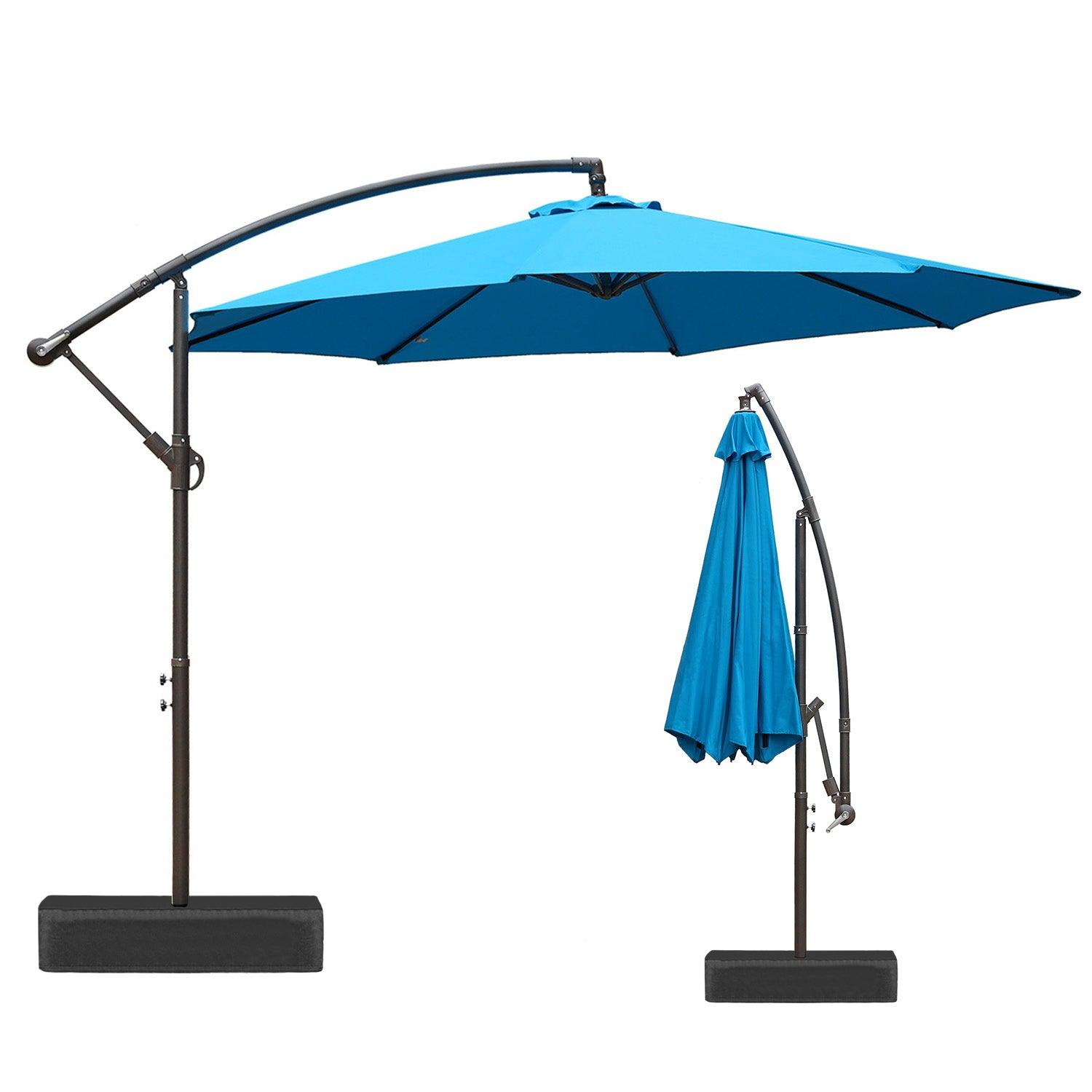
Bring coastal calm to your patio with vibrant blues against crisp white. This refreshing scheme creates a cooling visual effect perfect for warm climates while evoking relaxation and tranquility with striking contrast.
Best for: Coastal, nautical, Mediterranean, or tropical-inspired patios
Color palette: Sapphire blue, seafoam green, aqua, white, sandy beige
Key elements:
- Blue outdoor furniture or deep seat cushions as focal points
- White or light wood as the base color for balance
- Natural rope or woven textures for coastal authenticity
- Silver or brushed nickel hardware for subtle shine
Pro tip: Layer different shades of blue—navy, cobalt, aqua—for depth without overwhelming your space. Choose UV-resistant materials to prevent fading under bright sunlight exposure.

5. Relaxing Cool Tones: Serene & Calming
Create your personal retreat with soothing greens, soft blues, and gentle purples. This serene palette promotes relaxation and stress reduction while blending harmoniously with natural landscapes, creating a spa-like, restorative atmosphere where cool tones make spaces feel more expansive.
Best for: Meditation spaces, reading nooks, wellness-focused patios
Color palette: Sage green, soft lavender, pale blue, cool gray, misty teal
Key elements:
- Soft green or gray outdoor sofas and sectionals
- Cool-toned planters and accessories throughout
- Water features in complementary colors for ambiance
- Natural wood in weathered finishes for warmth
Pro tip: Balance cool tones with warm neutral accents to prevent your space from feeling cold or uninviting. This palette is ideal for creating a peaceful sanctuary away from daily stress.

6. Vibrant Warm Tones: Energetic & Welcoming
Infuse energy and warmth with terracotta, coral, and sunny yellows. This inviting palette creates an energetic atmosphere perfect for entertaining and social gatherings while making large spaces feel cozier and complementing southwestern, Mediterranean, or bohemian styles.
Best for: Entertainment areas, family gathering spaces, warm-climate patios
Color palette: Terracotta, rust orange, warm coral, golden yellow, burnt sienna
Key elements:
- Terracotta planters and pottery for authentic warmth
- Warm-toned Adirondack chair cushions and outdoor fabrics
- Natural materials like clay, copper, and wood
- Strategic pops of warm color against a neutral base
Pro tip: Use warm tones as accents (30% of your palette) with a neutral base (60%) to avoid overwhelming. Warm colors work especially well in cooler regions or shaded areas where you want to create cozy ambiance.

How to Choose the Right Patio Color Scheme
The best scheme depends on your personal style, local climate, and practical considerations like maintenance requirements and material durability.
Match Colors to Your Climate
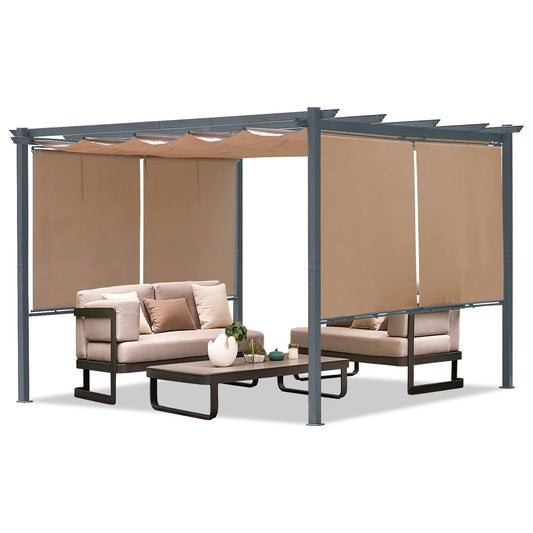
Hot, sunny climates: Cool colors (blues, greens, whites) provide visual cooling effects while light colors reflect heat. Ensure UV-resistant materials to prevent fading. Consider pergolas with shade canopies to protect your color investments.
Cool or moderate climates: Warm tones (terracotta, rust, coral) add coziness while darker colors can help absorb warmth. You'll have more flexibility in color choices without intense UV concerns.
Variable weather: Neutral schemes adapt to all seasons. Focus on weather-resistant materials over specific colors, then layer with removable accessories for seasonal changes.
Balance Function with Style
Low-maintenance priorities: Dark colors hide dirt and wear (charcoal, navy, dark brown). Mid-tone neutrals forgive imperfections (taupe, sage, warm gray). Avoid pure white with pets, children, or limited cleaning time.
Material matters most: HDPE furniture offers weatherproof durability that won't fade. Powder-coated metals provide rust-resistant, easy wipe-down surfaces. UV-protected fabrics on chaise lounge cushions maintain color vibrancy longer.
Create Mood & Atmosphere
For relaxation: Choose cool tones (soft blues, greens, lavenders), neutral whites and grays, or minimalist dark schemes that promote calm.
For energy: Select vibrant warm tones (coral, terracotta, yellow), bright sea blues with white, or bold accent colors that energize.
The 60-30-10 rule: Use 60% dominant color (furniture, flooring), 30% secondary color (cushions, planters), and 10% accent color (decorative items) for balanced, professional-looking results.
Frequently Asked Questions
Q: What's the best color for outdoor patio cushions?
The best cushion colors depend on your maintenance preferences and overall design. For high-traffic areas, choose darker or patterned options that hide stains. For a fresh, bright look, opt for blues, greens, or coral tones. Discover more options in this guide to the best color ideas for outdoor furniture cushions that make your patio pop.
Q: How high should a pergola be to complement my patio color scheme?
Pergola height affects the visual balance of your outdoor space. Most patios benefit from 8-10 foot pergolas that provide adequate clearance without overwhelming your color palette. For detailed guidance on proportion and design, read this expert guide to perfect pergola height.
Q: What are some kids outdoor party ideas that work with my patio colors?
Plan engaging activities that complement rather than clash with your color scheme. Use washable decorations in coordinating colors and set up activity zones that protect your furniture. For creative outdoor celebration ideas, explore these front yard party ideas.
Q: What patio furniture ideas work best for small patios with limited color options?
Small patios benefit from space-saving furniture in neutral or cool tones that make spaces feel larger. Choose multi-functional pieces and keep your color palette simple (2-3 colors maximum). For smart layout strategies, check out this guide to small space outdoor furniture layouts.
Transform Your Patio with the Perfect Color Scheme
Your patio color scheme sets the foundation for an outdoor space you'll love for years. Whether you choose sophisticated dark tones, serene neutrals, or vibrant warm hues, the right palette transforms function into an unforgettable experience.
Start by defining your patio's purpose—relaxation, entertainment, or both—then select colors that support that vision. Balance aesthetics with practical considerations: climate conditions, maintenance requirements, and material durability. Choose weather-resistant materials like HDPE outdoor furniture and UV-protected fabrics that maintain their beauty through every season.
Request samples to test colors in your actual outdoor lighting before committing to larger purchases. Natural sunlight, shade patterns, and surrounding landscaping all affect how colors appear throughout the day. Ready to transform your patio? Explore Aoodor Shop's weatherproof outdoor solutions designed to complement any color scheme, from gazebos to patio swings.
The perfect patio color scheme is waiting—one that reflects your style and enhances every outdoor moment.

