


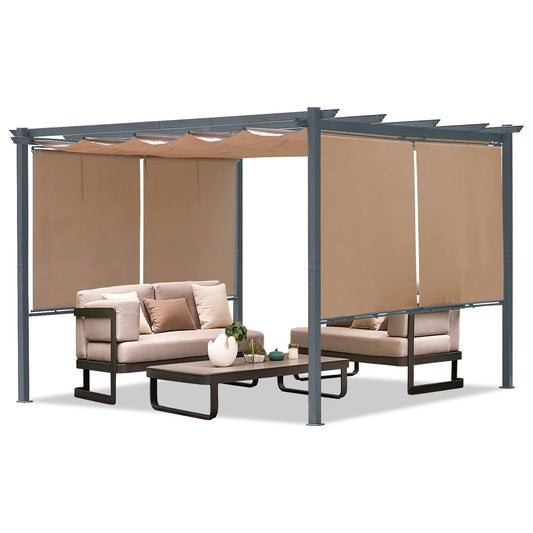
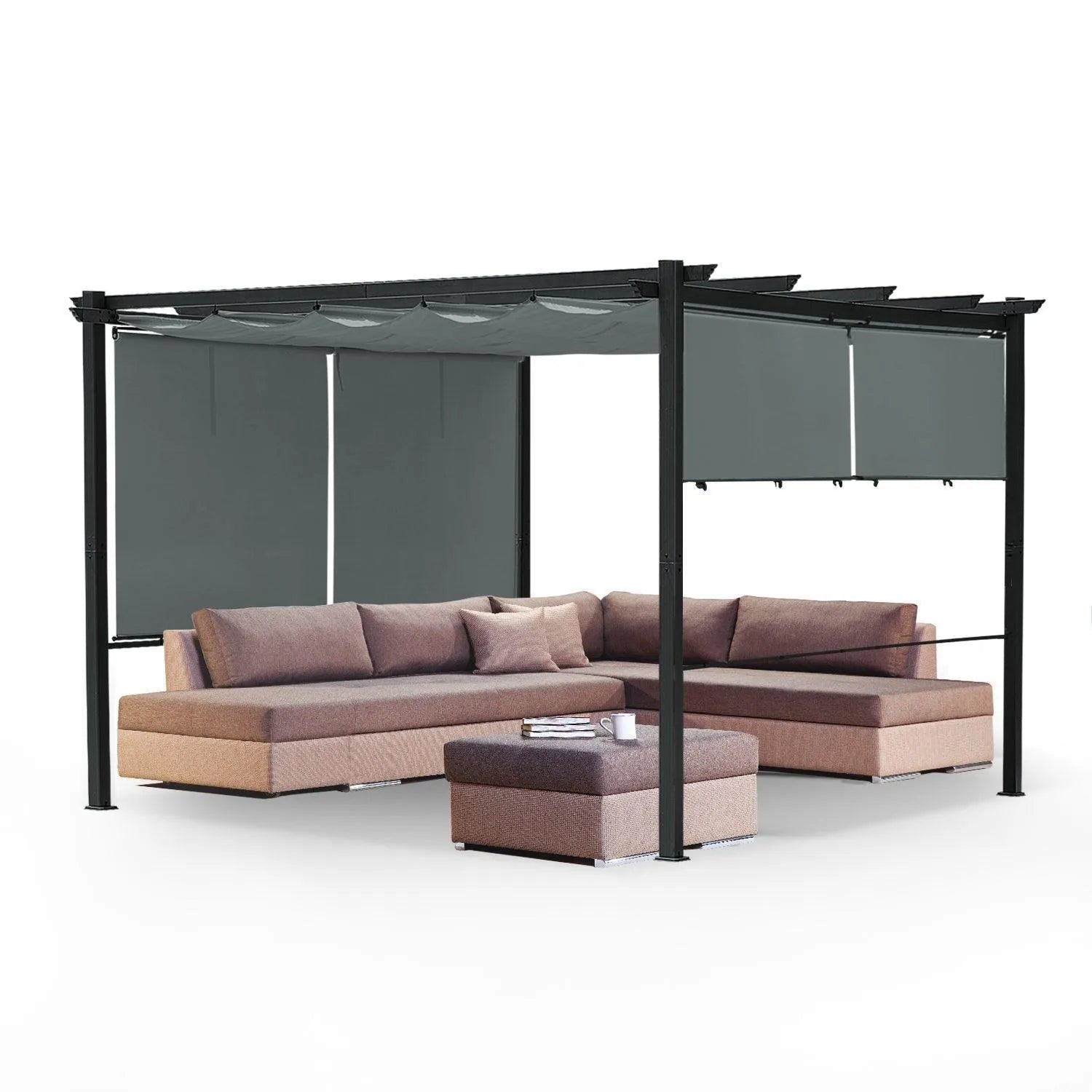




If you're planning to install a pergola in your backyard, you're probably wondering: do pergolas need to be anchored? The short answer is yes—most pergolas absolutely require proper anchoring to ensure safety, structural integrity, and compliance with local building codes. Without secure anchoring, even a well-built pergola risks collapse during high winds, which commonly occur at speeds above 40 mph. This guide covers essential anchoring methods and best practices for your freestanding pergola or wall-mounted design.
Why Anchoring Is Essential
Safety in High Winds
Wind is the primary threat to outdoor structures. Unanchored pergolas can experience catastrophic failure when wind speeds exceed 40 mph—a common threshold during thunderstorms. Strong gusts create uplift forces that can literally lift the structure off its base, causing property damage or injury. Even moderate winds gradually loosen unstable pergolas, leading to wobbling and structural compromise.

Building Code Compliance
Most jurisdictions mandate that pergolas exceeding 100 square feet require both permits and proper anchoring. The International Residential Code (IRC) typically requires structures to be anchored to resist wind uplift and lateral forces. Failing to meet these requirements can result in fines, mandatory removal, and complications when selling your home. Improper installation may also void manufacturer warranties on pergolas with shade canopy systems.
Preventing Liability and Warping
Proper anchoring prevents long-term structural issues. An unanchored pergola experiencing constant movement creates stress points that warp beams and crack joints. This deterioration shortens your pergola's lifespan and creates liability exposure—if your unstable structure damages property or injures someone, you could face significant legal consequences.
Factors Determining Anchoring Needs
Size and Design Considerations
Structures larger than 10x10 feet always require professional-grade anchoring due to increased wind exposure. A compact 8x8 foot pergola might suffice with ground anchors in stable conditions, while a 12x16 foot design demands deep concrete footings. Taller pergolas (over 9 feet) create greater leverage for wind forces, necessitating deeper anchor points.

Location and Soil Conditions
High-wind zones—coastal regions, tornado alleys, and hurricane-prone areas—require anchoring systems rated for 90+ mph winds, often mandating concrete footings extending below the frost line (typically 30-48 inches deep). Sandy or loose soils require helical ground anchors or wider concrete footings, while clay-rich soils provide better stability but present drainage challenges.

Pergola Type: Permanent vs. Temporary
Permanent pergolas should always use concrete footings for maximum stability and code compliance. Temporary or portable pergolas can utilize weighted base systems (40+ pounds per post minimum). Seasonal pergolas often use removable ground anchors combining security with flexibility.

Best Anchoring Methods
|
Method |
Best For |
Pros |
Cons |
|
Concrete Footings |
Permanent installations, all soil types, high-wind zones |
Maximum stability, meets all building codes, supports heavy loads |
Labor-intensive, requires excavation, permanent commitment |
|
Ground Anchor Kits |
Stable soil, medium-sized pergolas, semi-permanent setups |
Easier installation, removable, cost-effective |
Limited holding power in loose soil, may not meet codes for large structures |
|
Deck Mounting Brackets |
Pergolas on existing decks/patios |
No ground excavation, clean appearance, adjustable |
Requires structural deck support, weight transfer to deck structure |
|
Helical Ground Anchors |
Poor soil conditions, areas with utilities, rocky terrain |
Minimal excavation, works in challenging soils, professional installation |
Higher cost, requires specialized equipment, installer expertise needed |
|
Weighted Base Systems |
Temporary installations, rentals, pavers over concrete |
No ground penetration, portable, renter-friendly |
Less secure than embedded systems, unsightly, requires significant weight |
Concrete footings provide unmatched stability. Dig holes 12-18 inches in diameter extending 6 inches below your frost line, install galvanized post anchors, and pour 3,000 PSI concrete. Allow 48-72 hours for curing.
Ground anchor kits offer faster installation for structures under 150 square feet. Drive auger-style anchors 24-36 inches deep and attach posts using provided brackets.
Deck mounting requires through-bolts (not lag screws) connecting to deck joists—each post should connect to at least two joists using ½-inch galvanized bolts.
Local Codes and Pro Tips
Contact your local building department to determine permit requirements—most require permits for pergolas over 100-120 square feet. Processing takes 2-8 weeks. Wind load calculations by a structural engineer ($300-800) ensure proper anchoring specifications for your region.
DIY Checklist: Call 811 before digging, conduct soil tests, use galvanized hardware, verify square measurements, install temporary bracing, and use structural-grade fasteners.
Conclusion
Does a pergola need to be anchored? Absolutely—proper anchoring is non-negotiable for safety and code compliance. By considering your pergola's size, location's wind exposure, and soil conditions, you can select the appropriate anchoring system. Ready to create your dream outdoor space? Explore Aoodor Shop's premium pergola collection featuring designs engineered for secure installation and lasting performance.
Frequently Asked Questions
Do pergolas provide shade?
Yes, traditional open-lattice pergolas offer 30-50% shade coverage, while modern louvered designs with adjustable slats provide up to 80% coverage with full control. Learn more in our guide on do pergolas provide shade.
How much does a louvered pergola cost?
Louvered pergolas range from $6,000-$25,000+ depending on size and features. Manual systems start around $6,000-10,000 for 10x10 feet, while motorized versions cost $12,000-25,000+. Read our breakdown on louvered pergola costs.
Why are pergolas so popular?
Pergolas balance aesthetics and functionality while increasing home value by 50-80% of installation cost. They create defined outdoor living spaces perfect for dining and entertaining. Discover more in why are pergolas so popular.
How tall should a pergola be?
The ideal height is 9-10 feet for most homes, providing comfortable clearance while maintaining proper proportions. Taller structures (10-12 feet) suit two-story homes. Read our guide on pergola height.

