
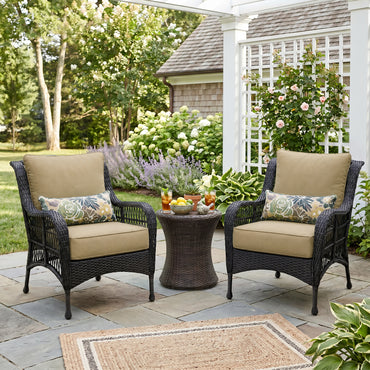
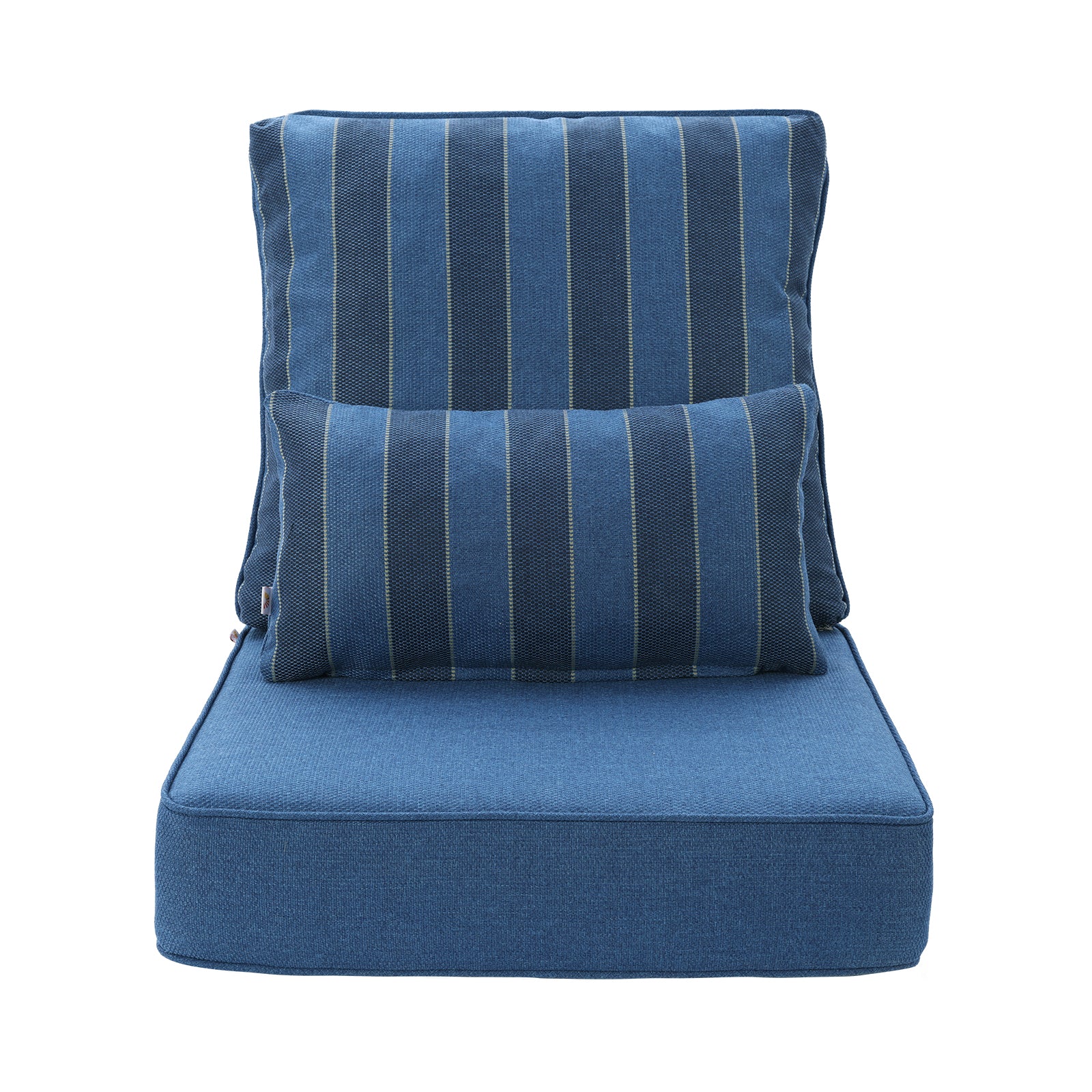
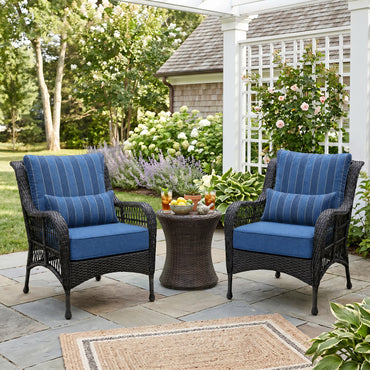
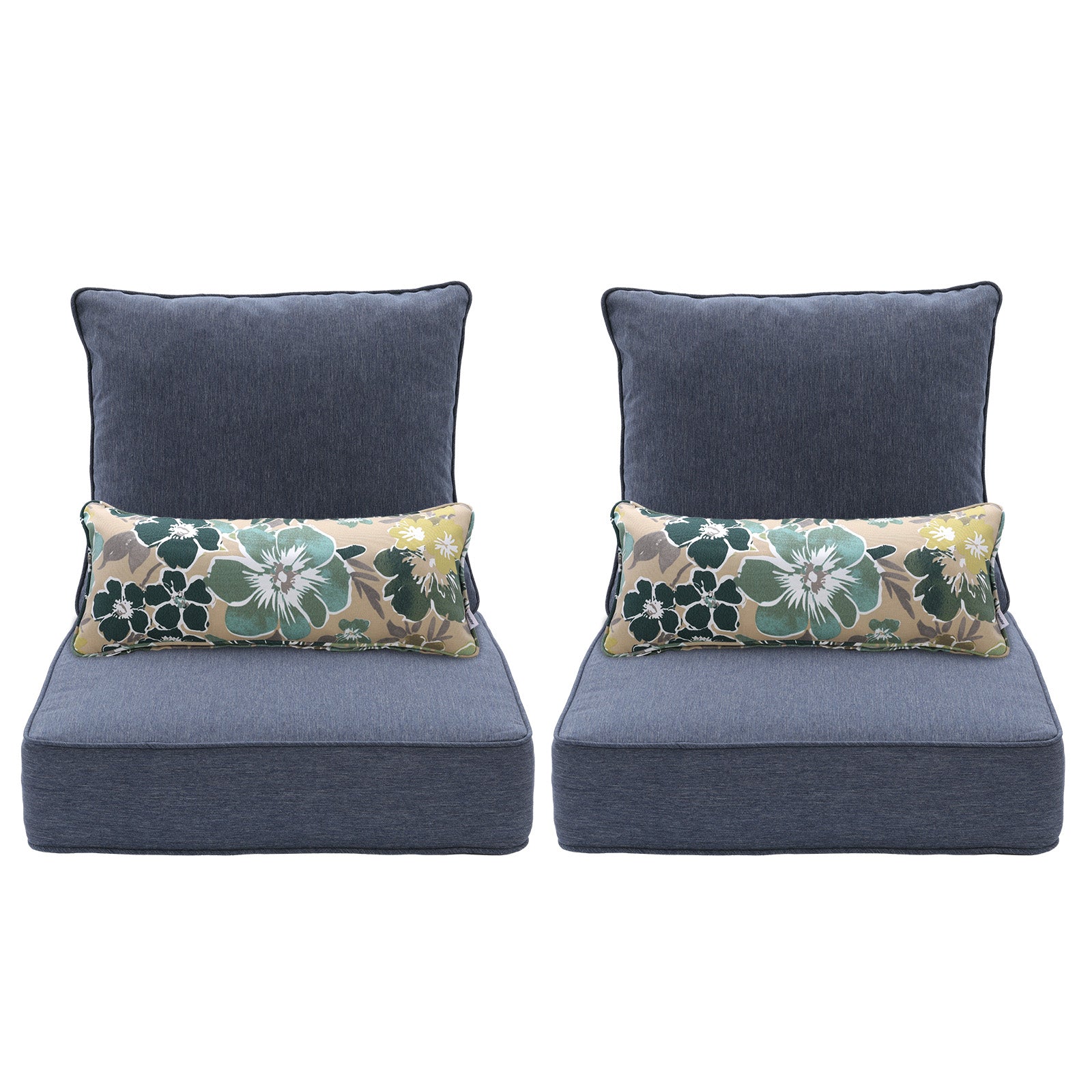
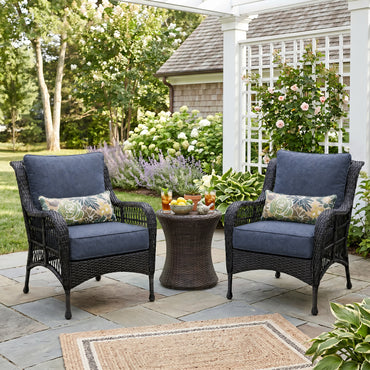
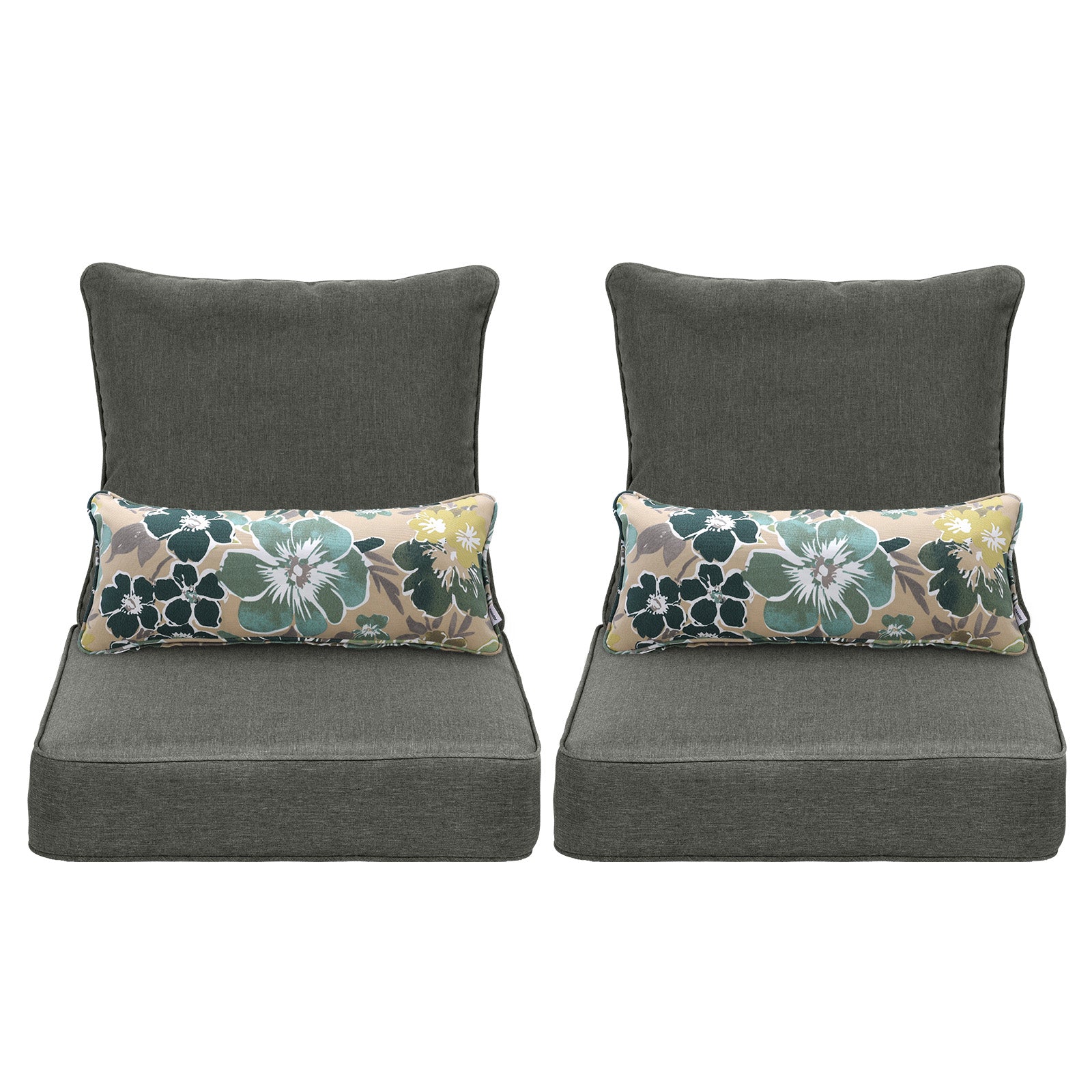
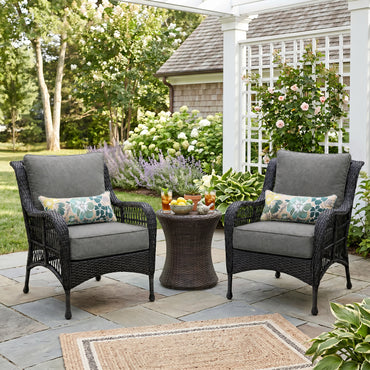
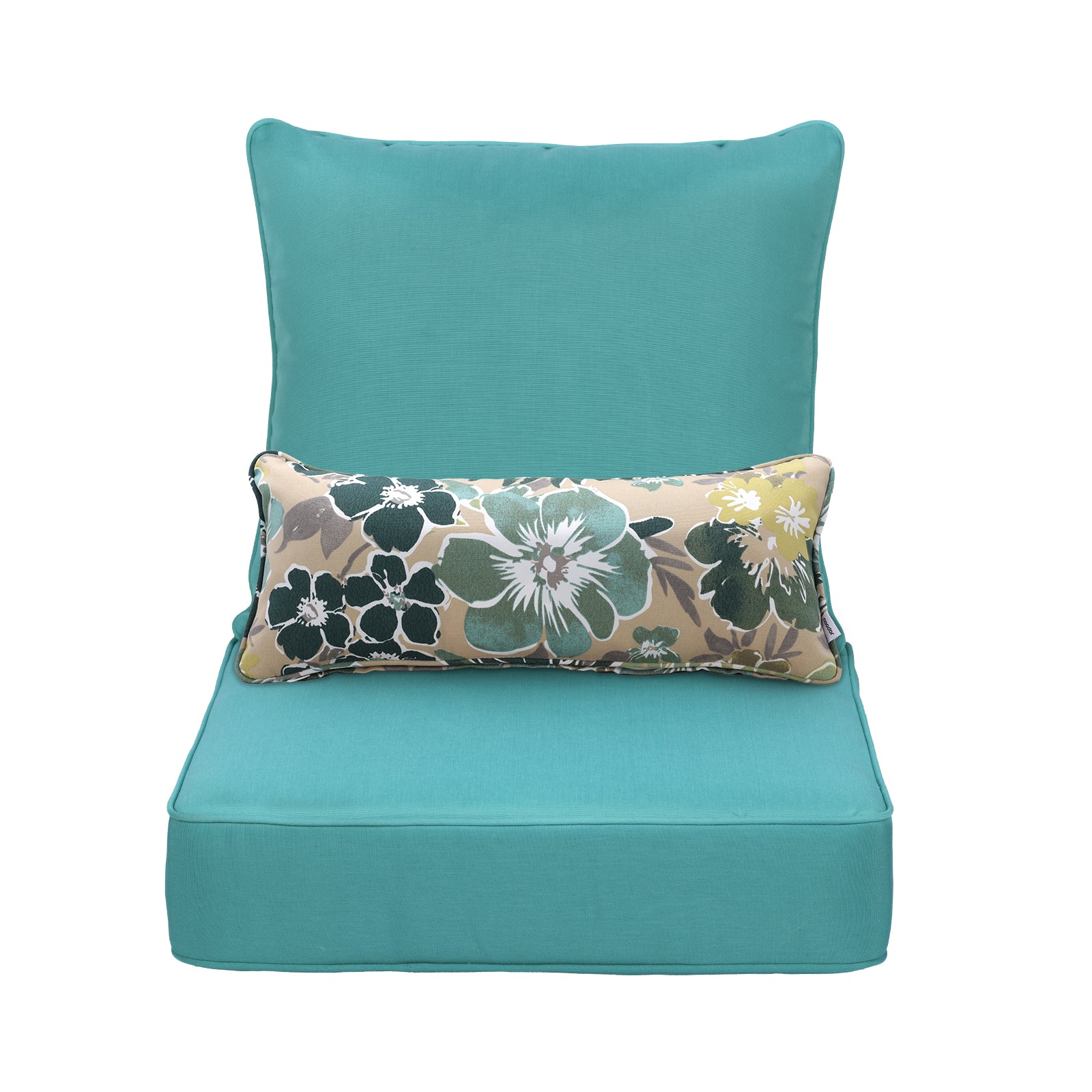


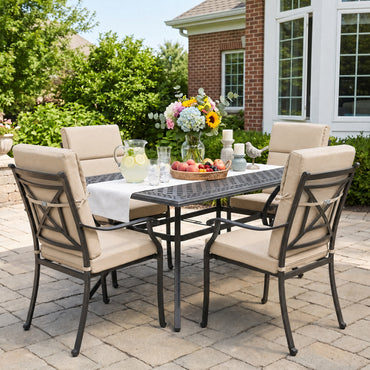
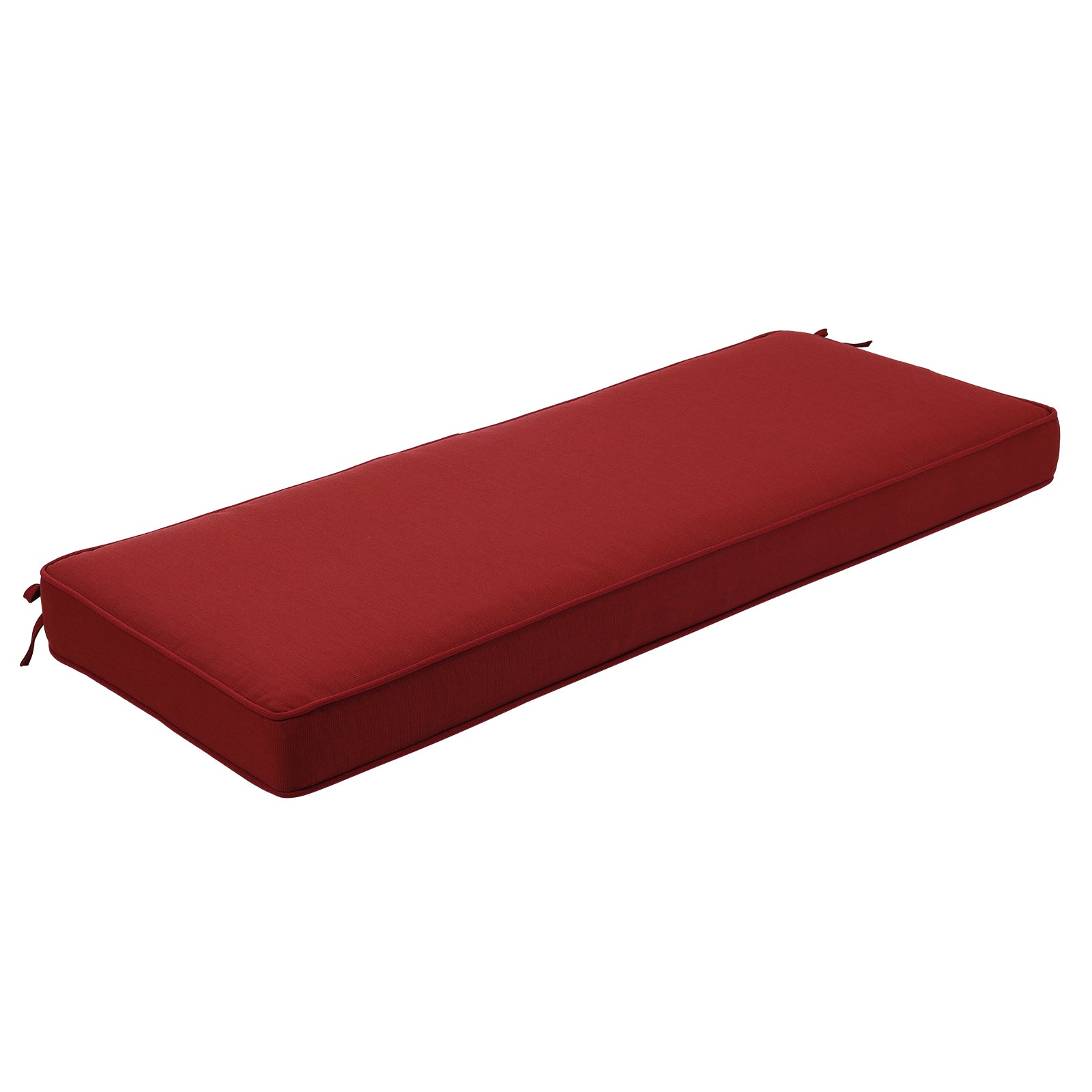
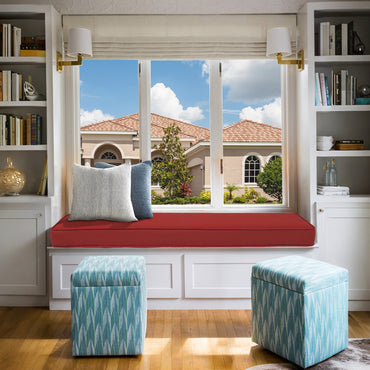
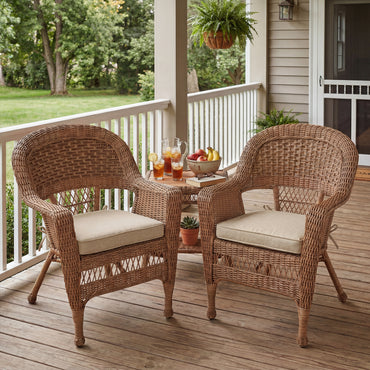
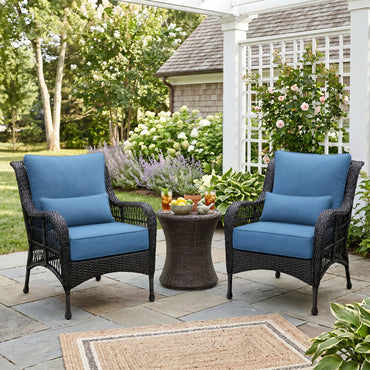

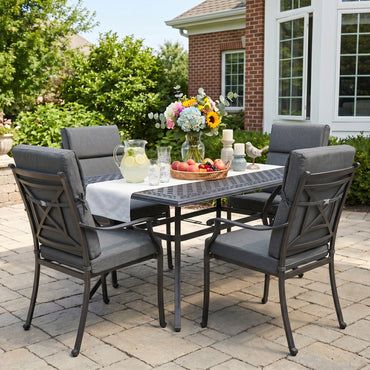
Olefin cushions solve the problem that sends most homeowners back to the store every two years: outdoor cushions that look great in April and barely hold their color by August. This collection brings together 44 styles of solution-dyed olefin fabric outdoor cushions for patio chairs, deep seats, and Adirondack chairs, in a range of colors engineered to hold their brightness across multiple seasons.
Shop Olefin Cushions by Chair Type
The collection covers three chair profiles that olefin outdoor cushions are most commonly bought for. Each type needs a different cushion thickness and fit, so starting with your chair type is the fastest way to narrow the selection.
Deep Seat Cushion Sets
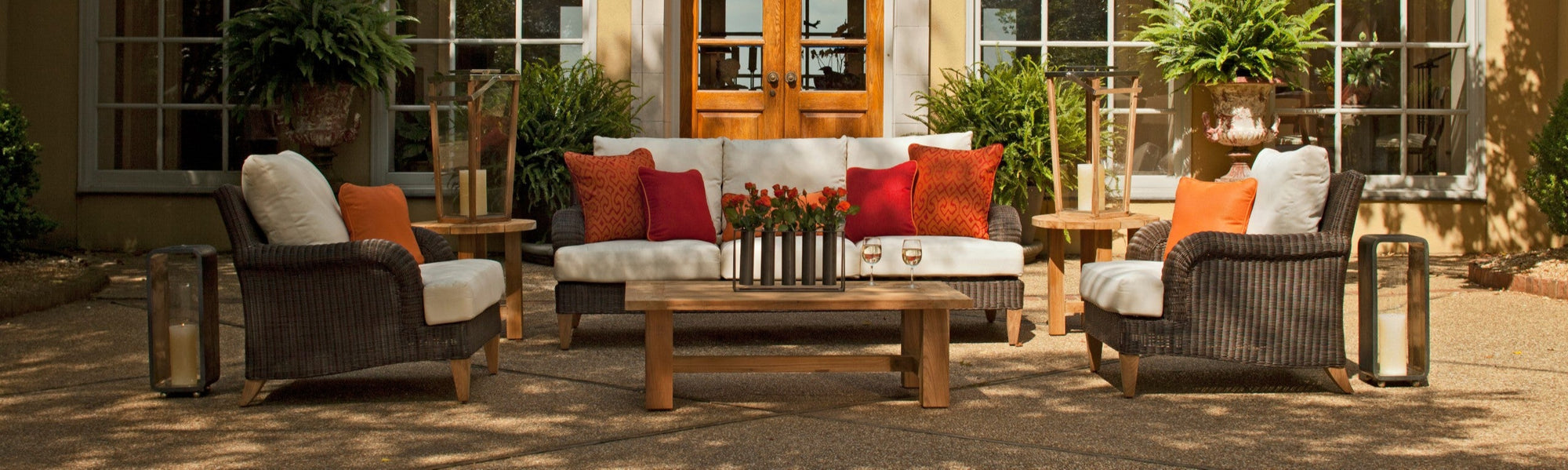
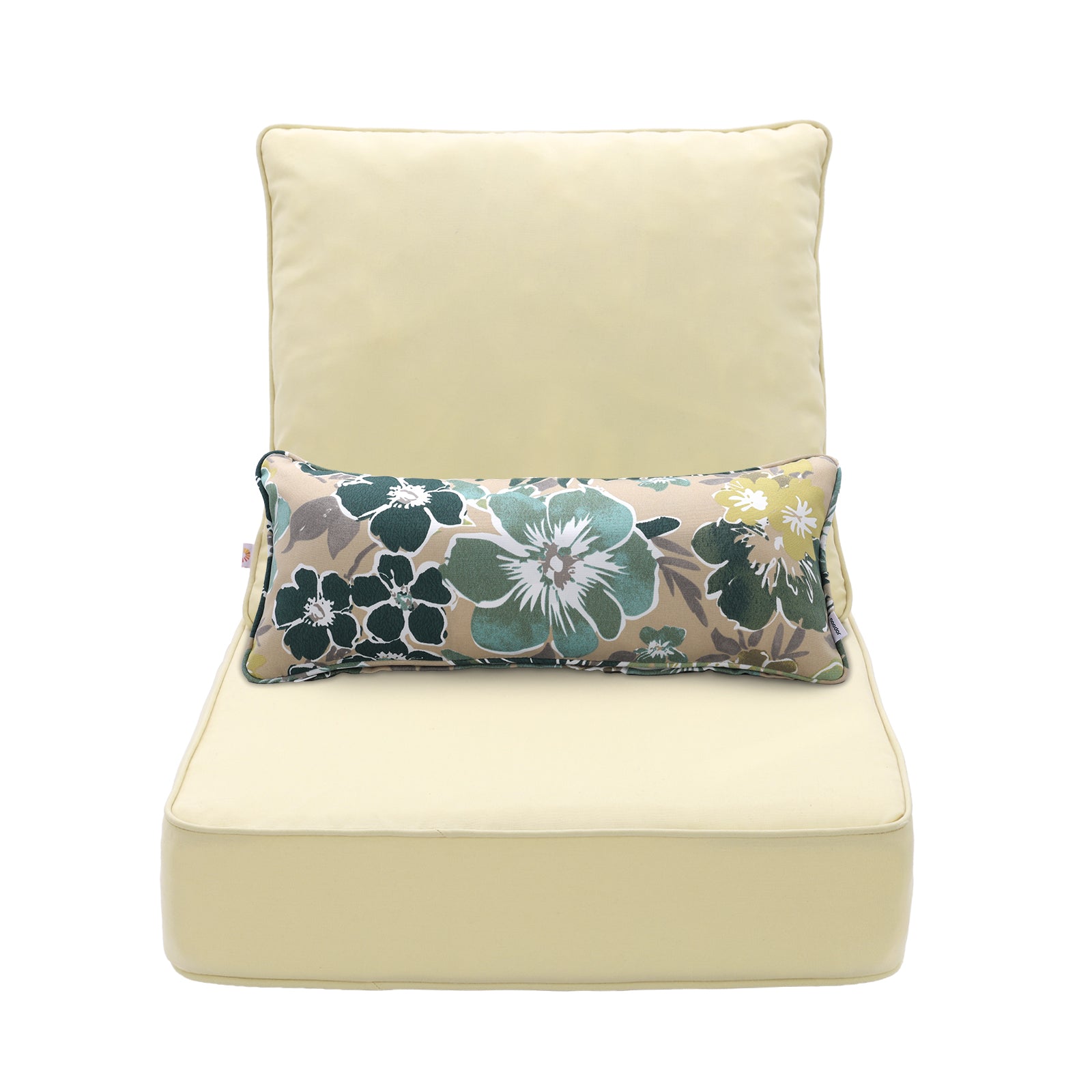
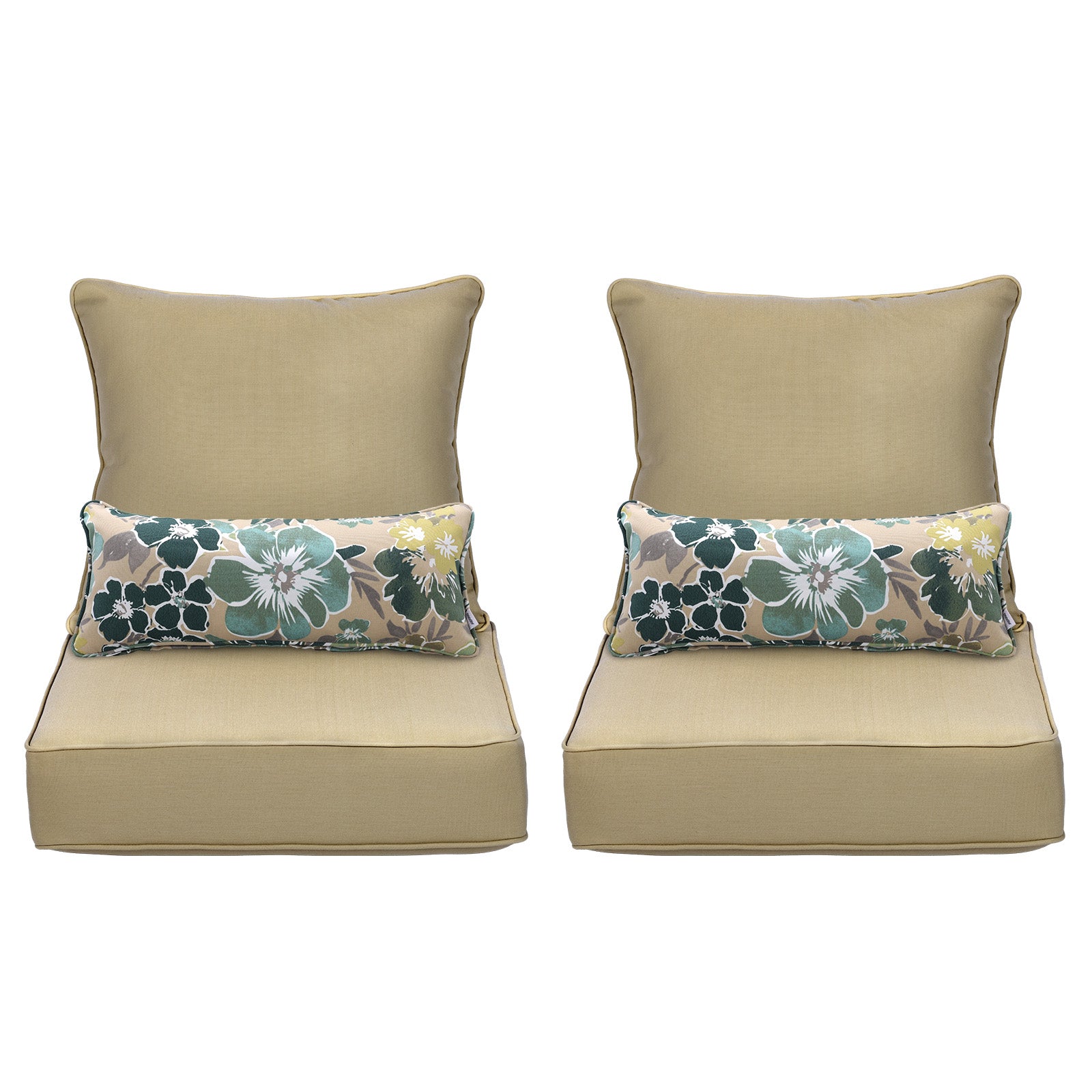
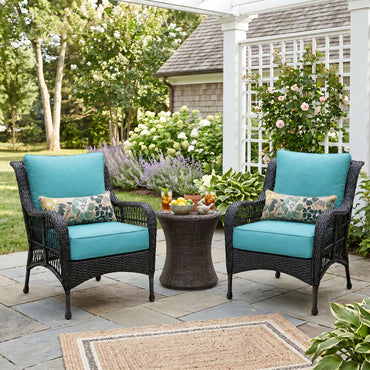
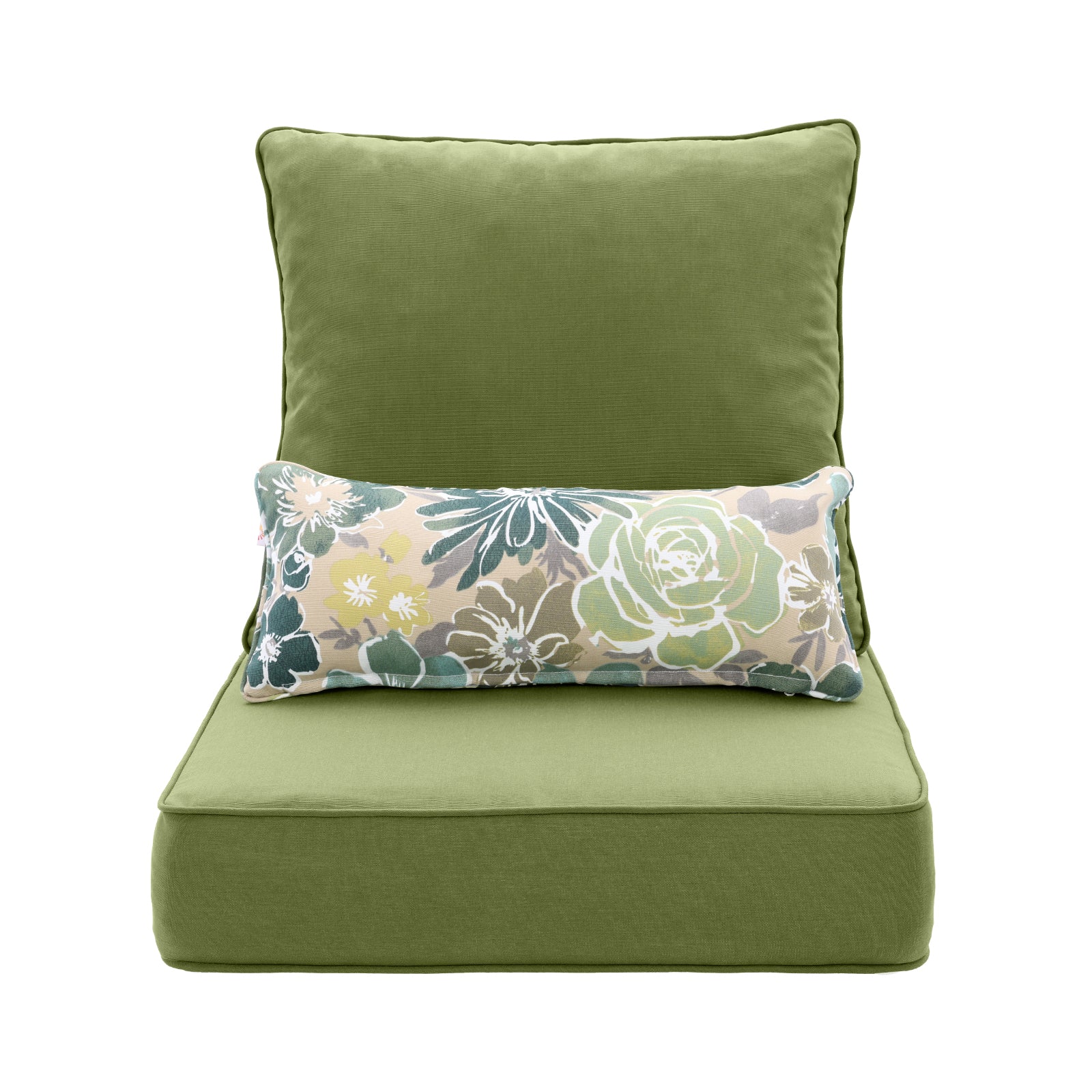
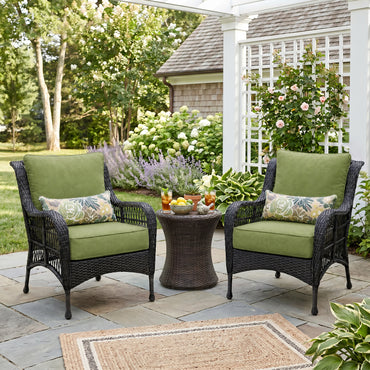
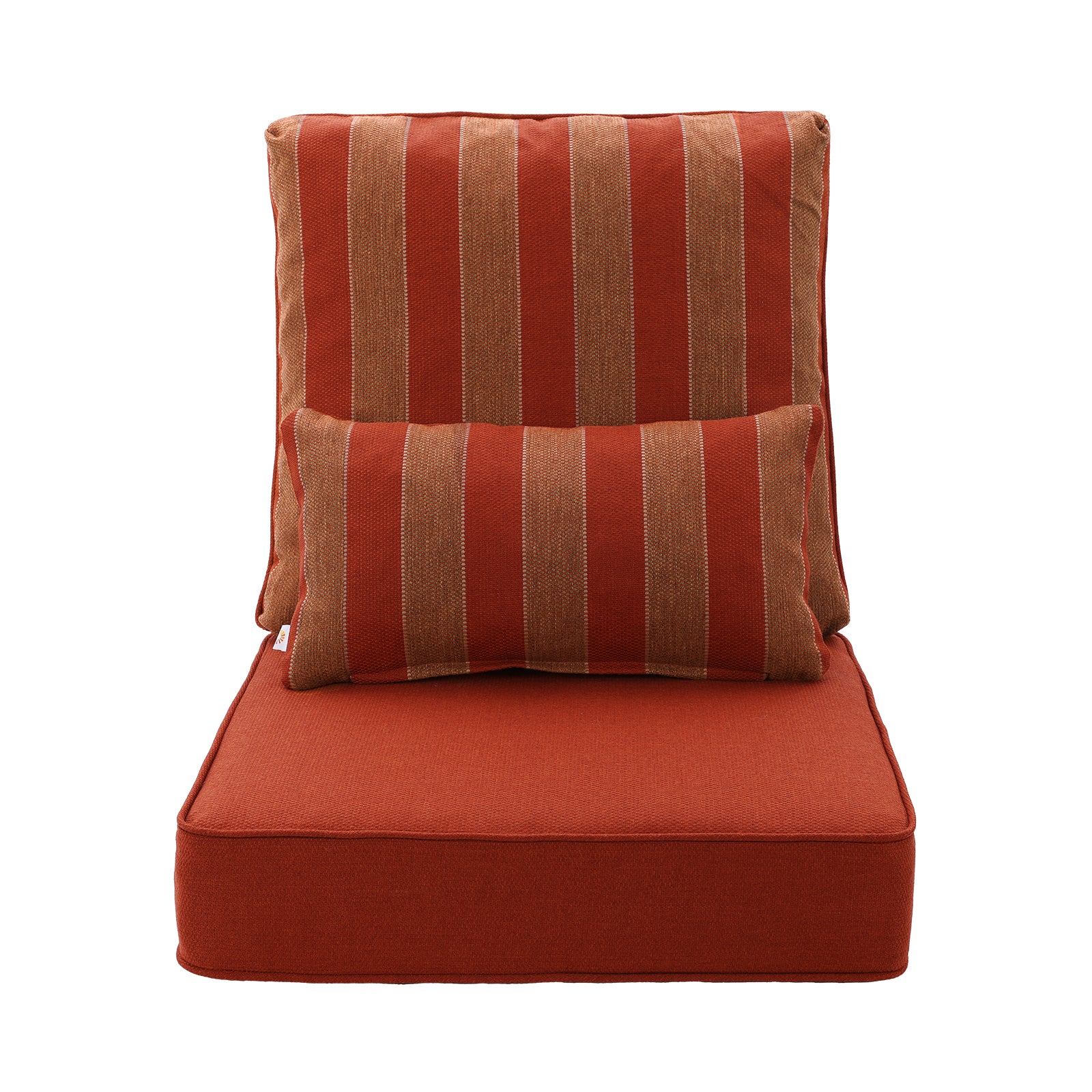
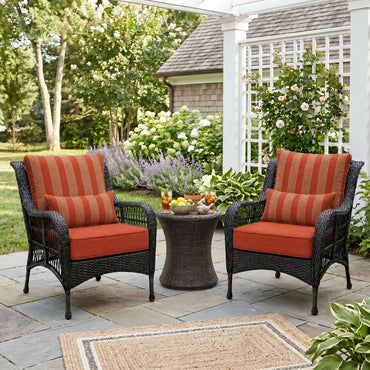
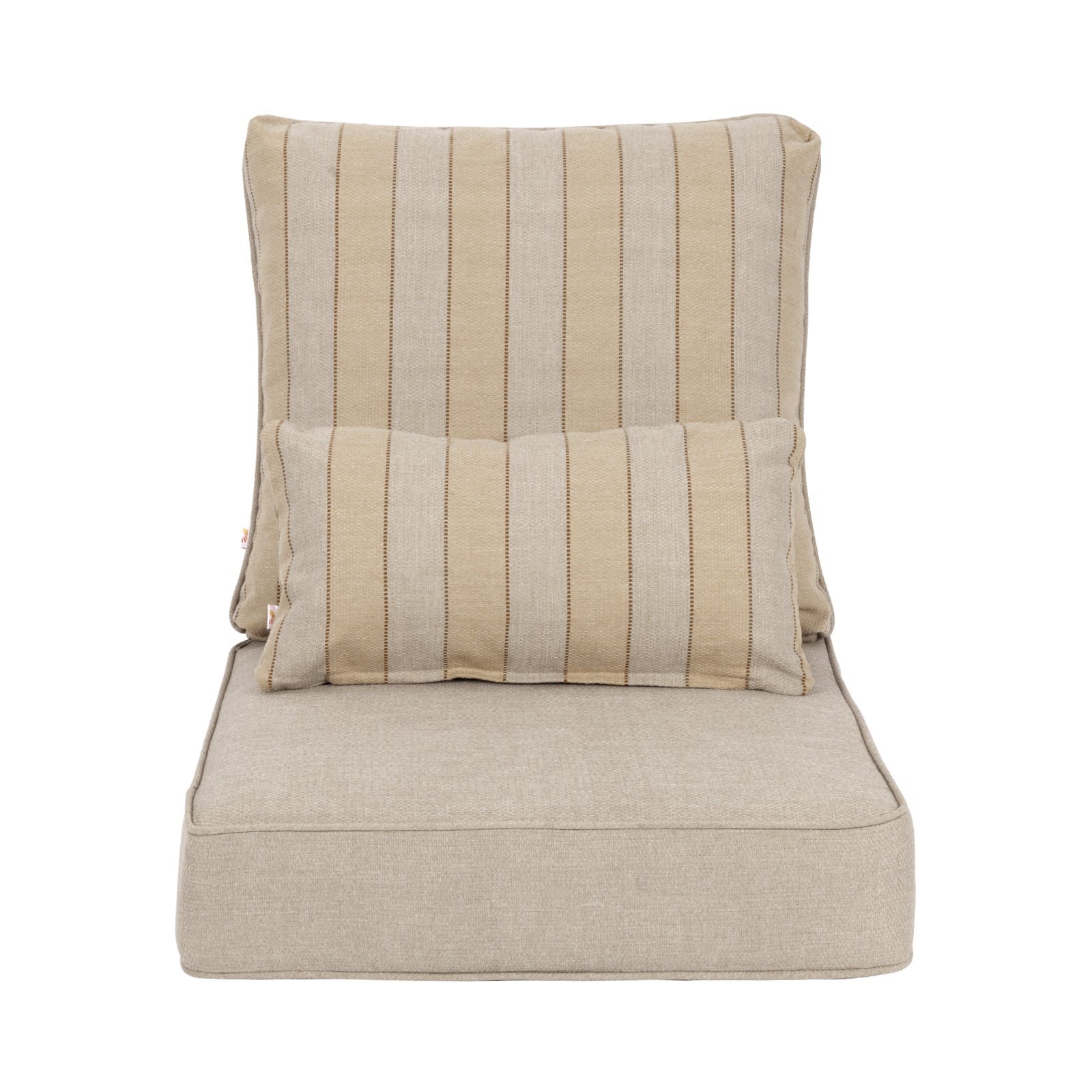
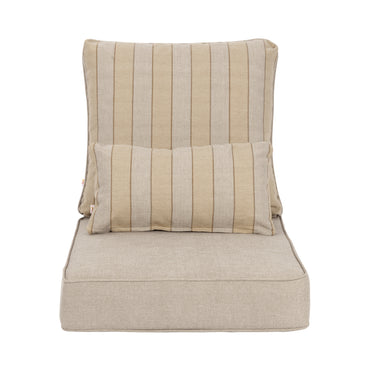
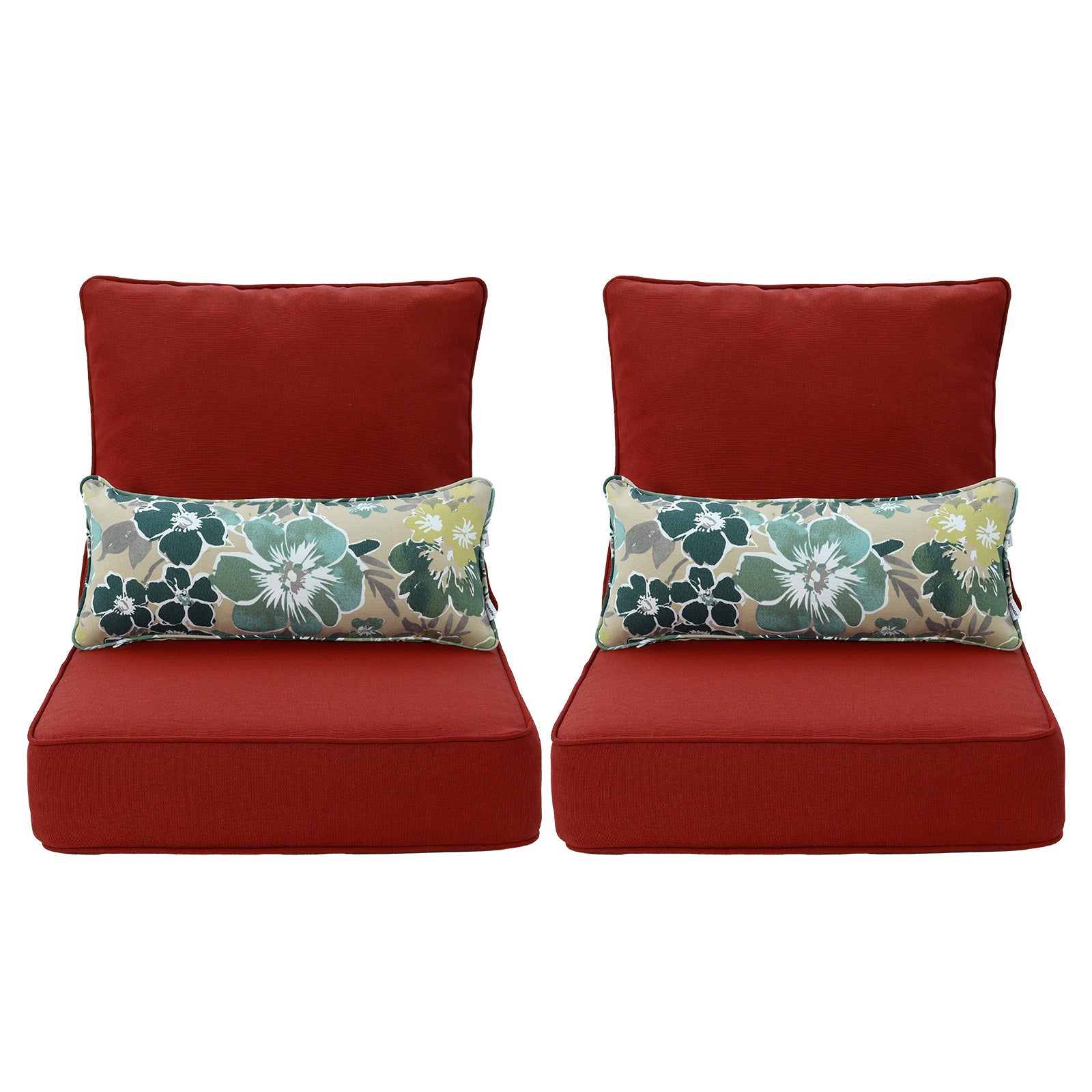
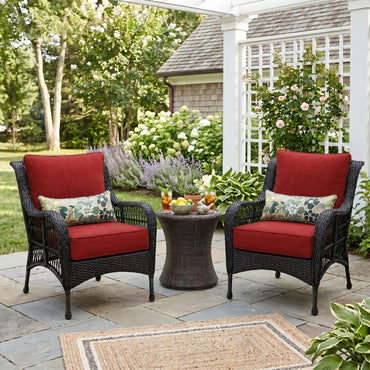
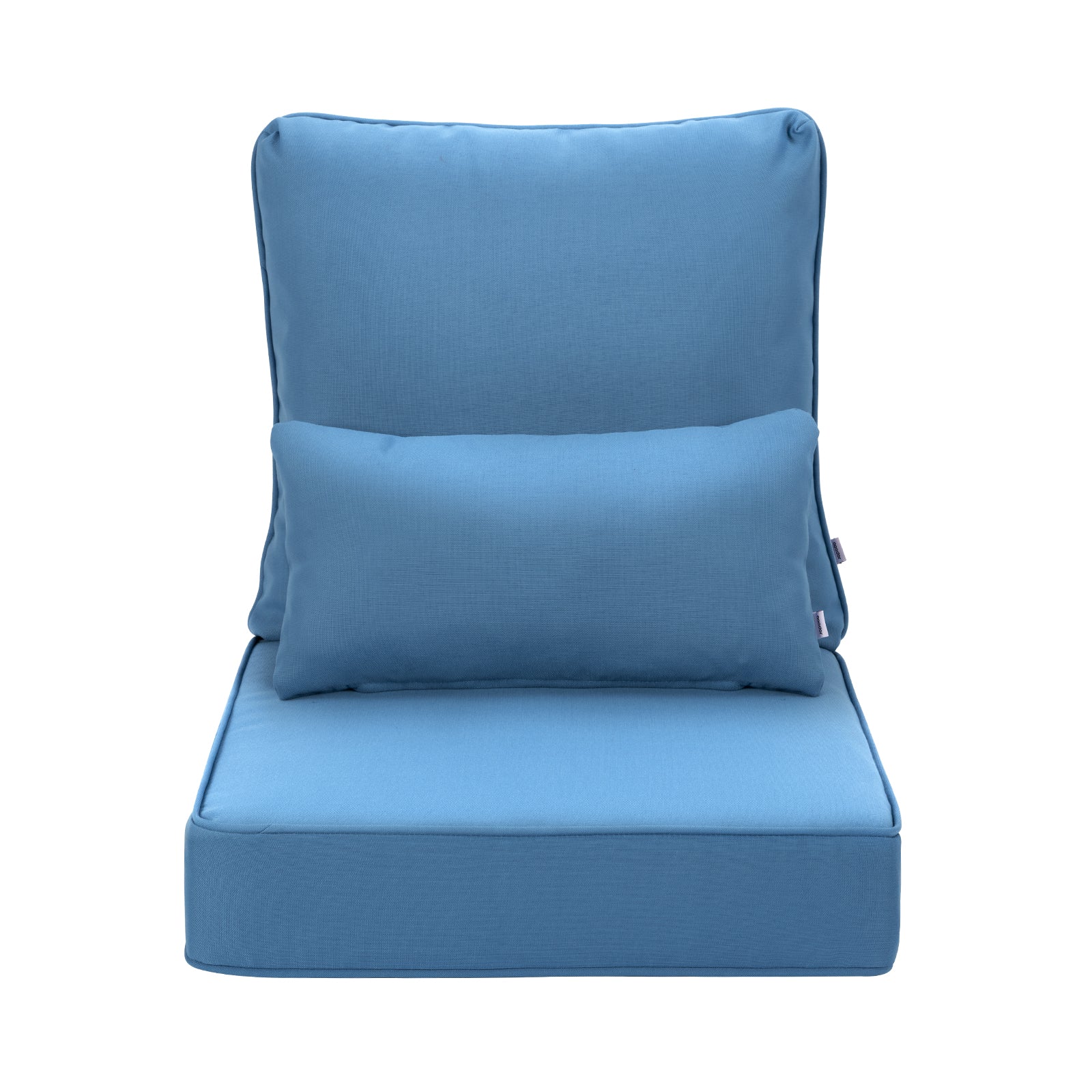
Deep seat chairs have an extended seat depth designed for lounging rather than upright sitting. They require cushions that fill the seat completely from front to back without bunching or sliding forward. The Outdoor Deep Seat Cushion Set with Lumbar Pillow, Cream Yellow includes two seat cushions, two back cushions, and two lumbar pillows, all made from solution-dyed olefin fabric and filled with high-density foam. Color options across the collection range from neutral tones to bold solids, sold as complete sets for a matched look.
High Back Chair Cushions
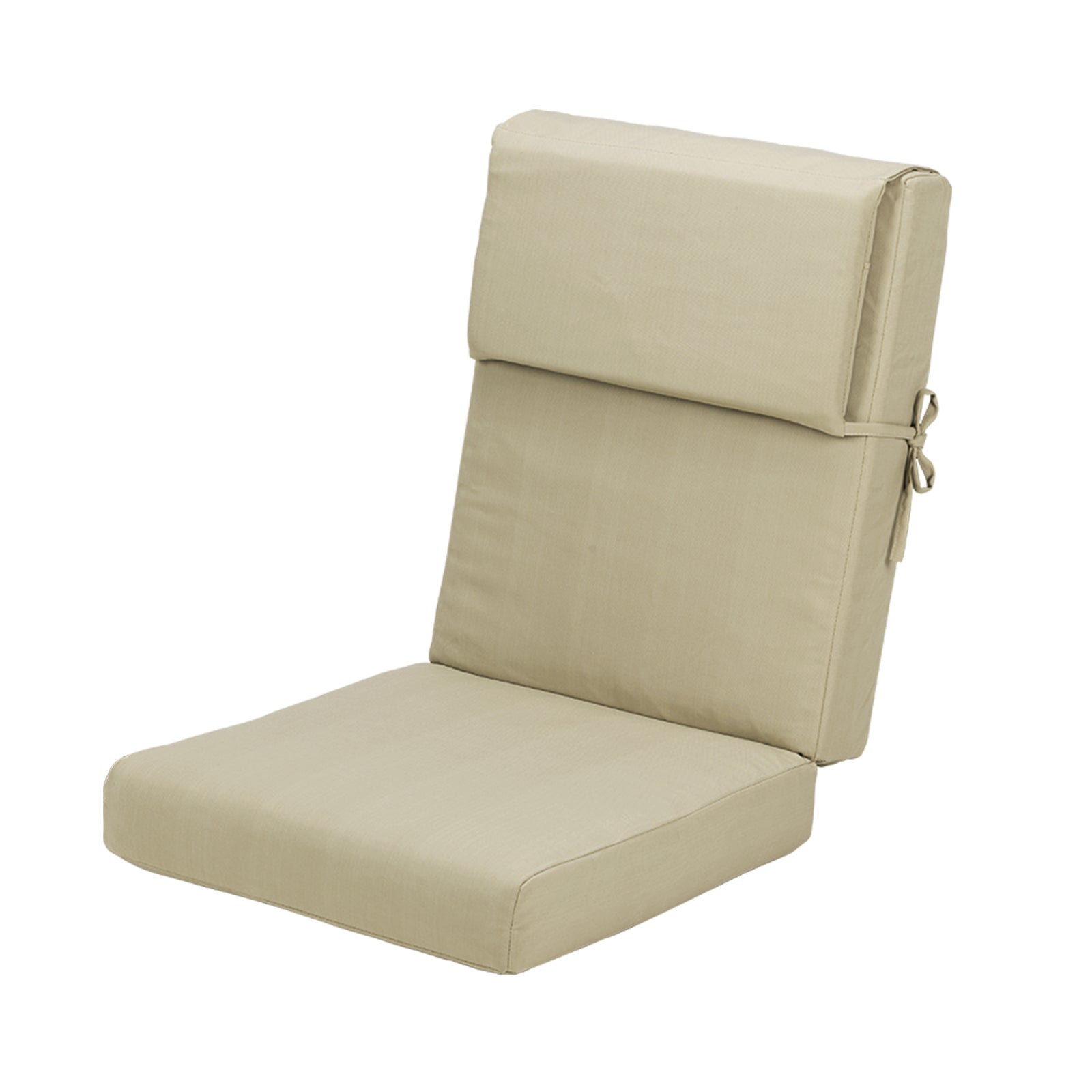
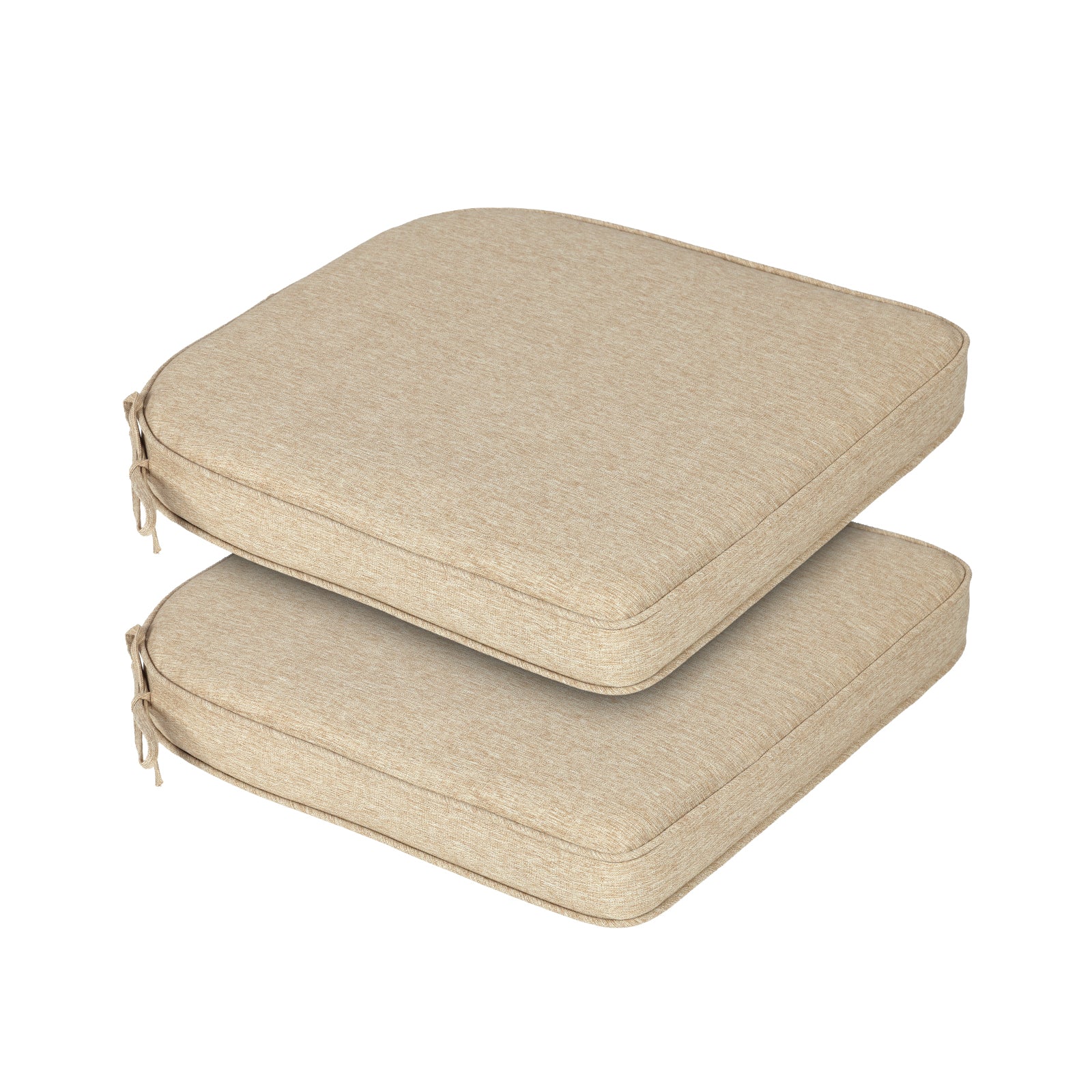
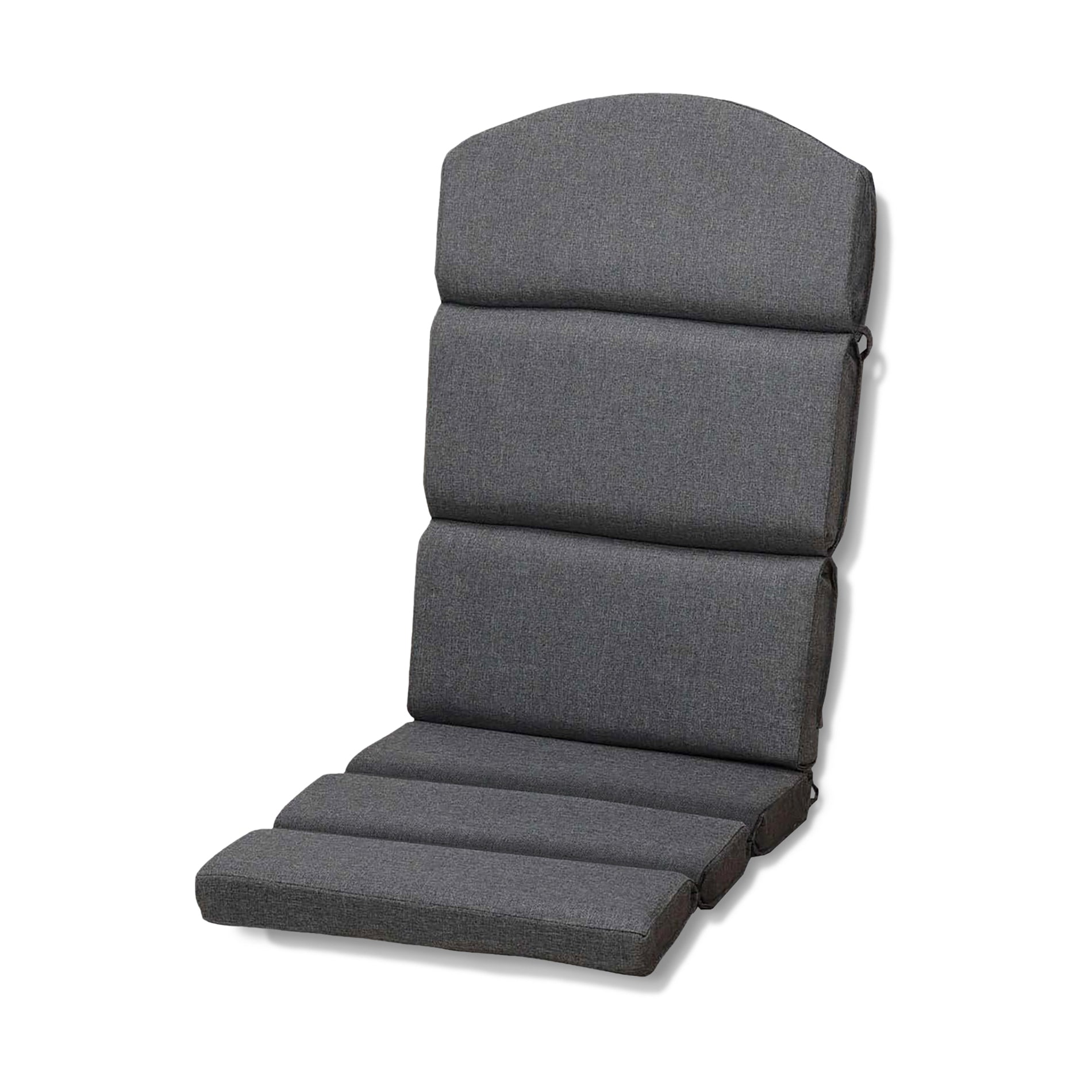
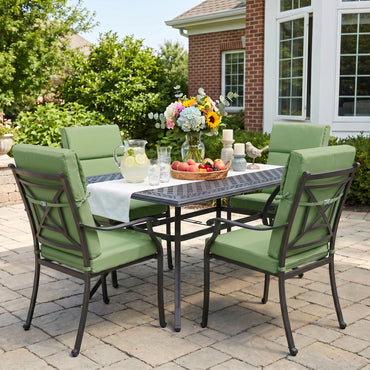
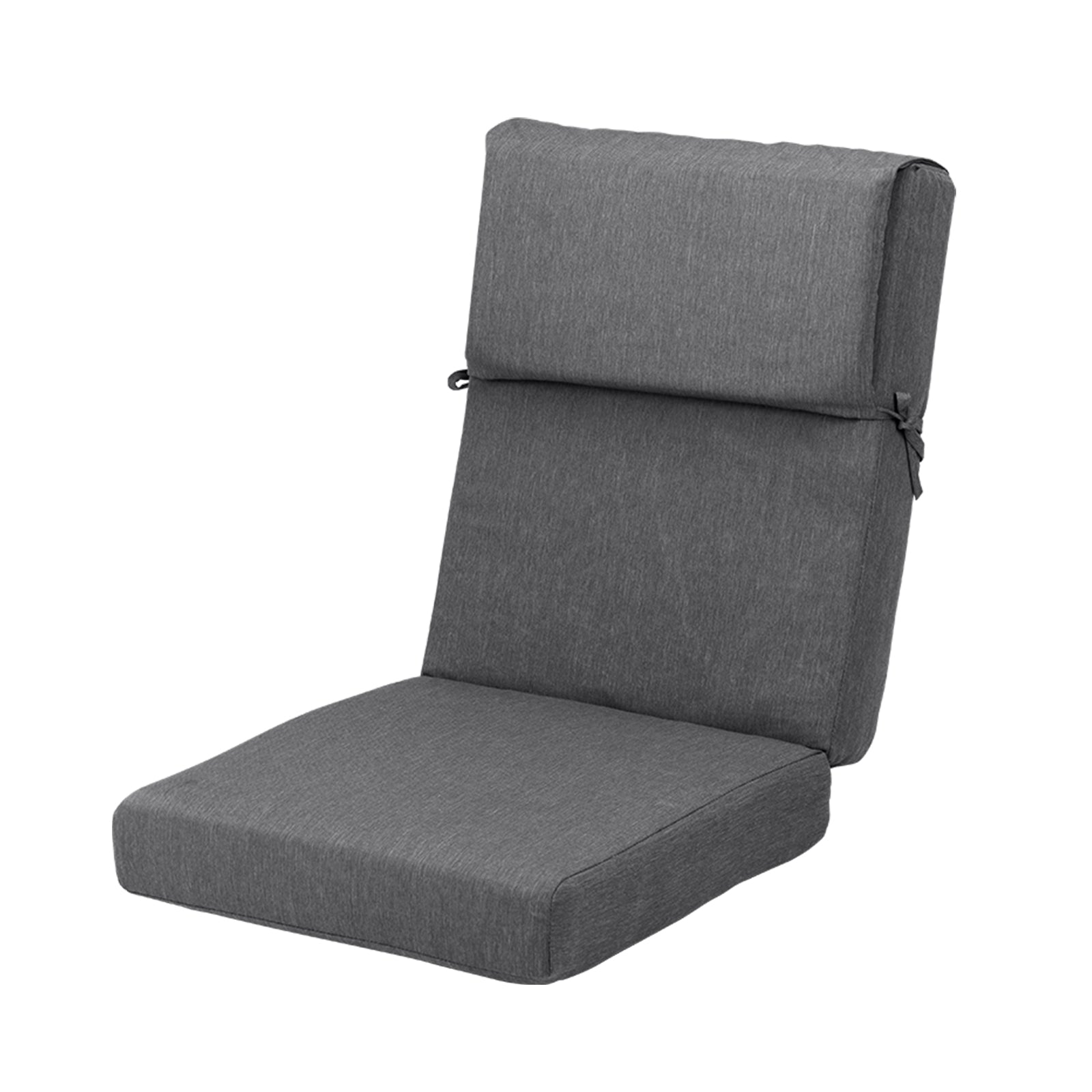
High back chairs have a taller backrest that requires a longer, shaped cushion to support the back fully from the seat through the upper back. The 45x22x4 inch Outdoor High Back Patio Chair Cushions measure four inches of foam thickness, which holds shape and support through heavy use rather than compressing flat after a few seasons. Ties at the back secure the olefin cushion to the chair frame so it stays positioned when someone sits down or gets up.
Adirondack Chair Cushions
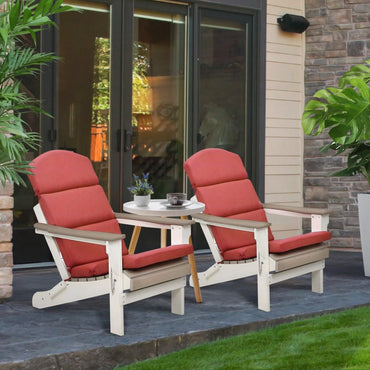
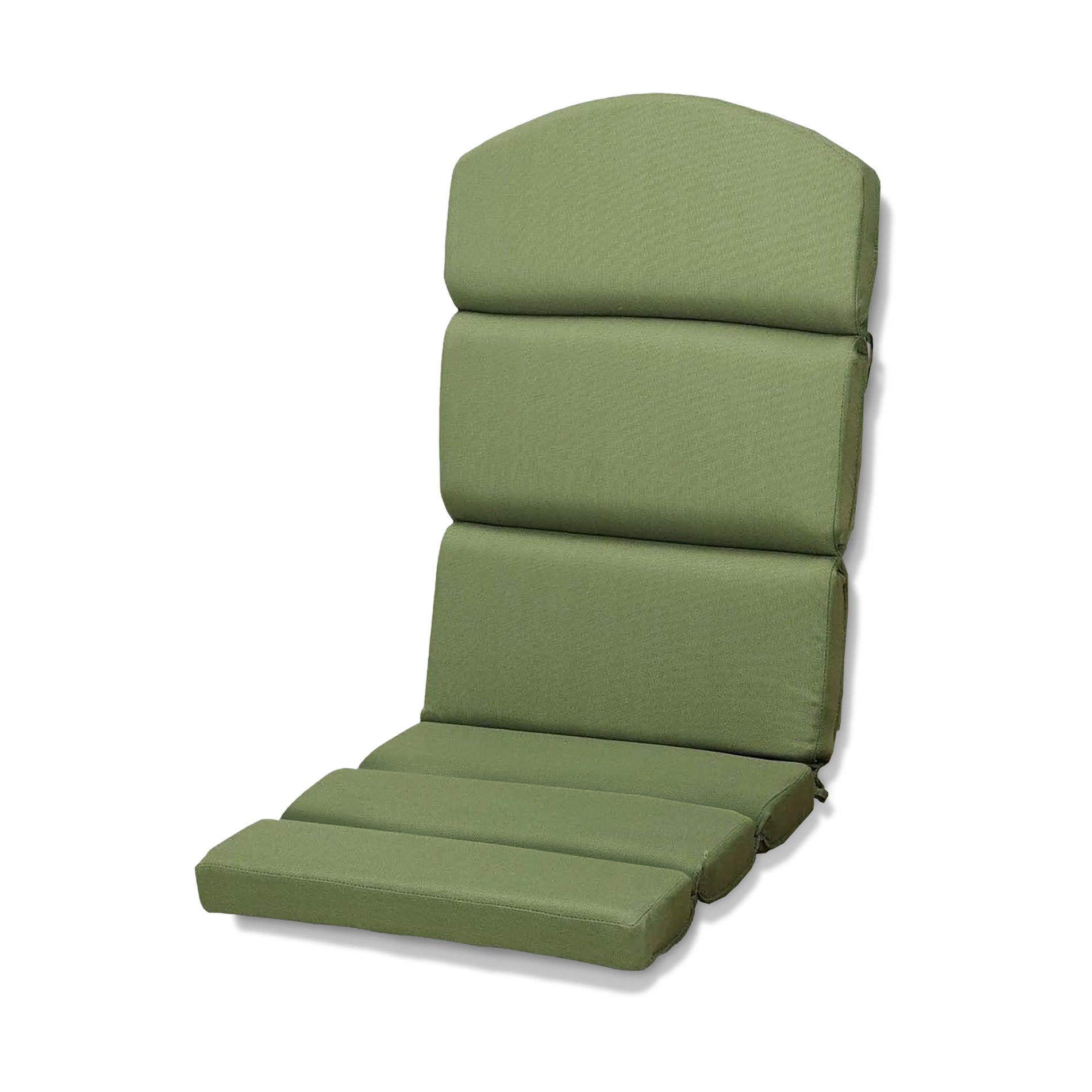
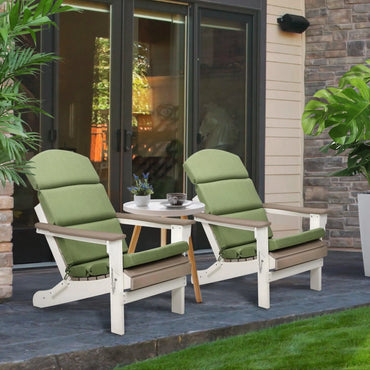
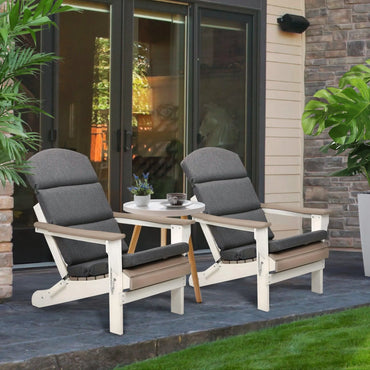
Adirondack chairs have a distinctive angled seat and wide, fanned backrest that requires a cushion profile shaped specifically for that silhouette rather than a standard rectangular pad. The Adirondack-specific olefin fabric cushions in this collection are cut to match that contour, with tie strings that attach to the chair slats to keep the cushion positioned correctly across the full seat length. Browse the full range at our Adirondack chair cushions collection.
What Is Solution-Dyed Olefin Fabric
Olefin patio cushions are frequently labeled as fade-resistant without any explanation of why that claim holds up when standard polyester cushions make the same promise and fall short within a season. The difference comes down to how and when color is applied during manufacturing.
In standard fabric production, yarn is woven first and then dyed afterward, a method called piece-dyeing. The pigment sits on the outer surface of each fiber. When UV rays hit the fabric over months of outdoor exposure, they break down those surface pigments, which is why outdoor cushions typically show color loss on the sun-facing side while the interior of the fabric stays its original shade. The result is a bleached-out, uneven appearance that cleaning cannot reverse.
Solution-dyeing works differently. The pigment is mixed directly into the liquid polypropylene resin before the fibers are formed, so color is present throughout the full cross-section of each fiber from surface to core. When UV rays break down the outer surface over time, they expose more fiber that is the same color all the way through. Aoodor's olefin outdoor cushions are rated to withstand at least 1,500 hours of intense midday sunlight without noticeable fading, which translates to three to four seasonal years for most American climates where cushions are stored indoors during winter.
What Makes Olefin the Right Fabric for Outdoor Use
Beyond fade resistance, solution-dyed olefin fabric cushions perform well across every dimension of outdoor exposure. Polypropylene fiber is inherently hydrophobic, which means the material handles moisture, staining, and physical wear without the degradation that affects standard outdoor cushion fabrics.
-
Water-repellent and quick-drying. Polypropylene fibers do not absorb water at the molecular level. Rain beads up and rolls off the surface, and olefin outdoor cushions dry within an hour or two after a shower rather than staying damp through the next rain event. Trapped moisture is the primary cause of mold and mildew growth inside cushion foam, and olefin's quick-dry behavior removes that condition.
-
Mold, mildew and stain resistant. Because the fiber does not absorb liquid, mold cannot establish at the fiber level and surface stains cannot penetrate the weave. Most spills and outdoor dirt wipe away cleanly with a damp cloth and mild soap.
-
Chlorine-resistant for poolside use. Polypropylene fibers are chemically inert to chlorine, which means olefin patio cushions are not damaged by pool splash or diluted bleach cleaning. This makes olefin fabric cushions the better choice for pool decks compared to polyester or solution-dyed acrylic fabrics that degrade with repeated chlorine exposure.
-
Abrasion-resistant for heavy daily use. Olefin rates high on standard outdoor upholstery abrasion tests, meaning the surface does not pill, roughen, or degrade visibly after a season of heavy daily use by children, pets, or multiple adults.
How to Choose the Right Olefin Cushion for Your Chair
Matching the right olefin cushion to an existing chair requires checking more than just fabric. A cushion that is the wrong thickness or the wrong length will shift, compress unevenly, or leave parts of the chair frame exposed in ways that reduce both comfort and appearance.
Match Size and Thickness to Your Chair Type
Deep seat chairs need cushions at least four inches thick to fill the extended seat depth with enough foam to remain comfortable after long sitting sessions. Thinner cushions on deep seat chairs bottom out quickly and compress flat within a season. High back cushions should match the full backrest height of the chair rather than ending at mid-back, as a cushion that falls short leaves the upper portion hard and unsupported.
Adirondack cushions should be purchased as Adirondack-specific cuts rather than repurposed rectangular seat pads, since the angled geometry of the chair causes a straight pad to sit incorrectly and slide forward. Always check the listed dimensions of the olefin outdoor cushion against your actual chair measurements before ordering. The measurement that matters most is seat length from front to back, not overall cushion length.
Choosing Colors That Hold Up in Sun
Solution-dyed olefin maintains color well across all shades, but the practical choice depends on how visible any minor shift will be over time and how the color works with your furniture frame. Solid dark colors, particularly charcoal and navy, provide the highest contrast with most metal and wicker frames.
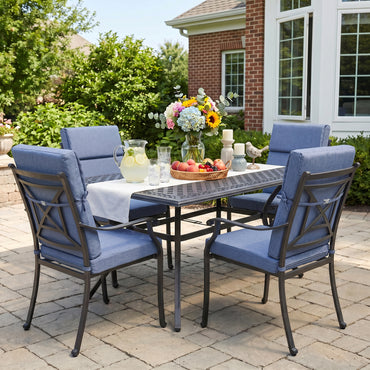
Neutral tones like khaki, cream, and brown blend more gracefully if any variation occurs over time. Stripe patterns add visual interest but require matching precision if you are mixing cushion types across multiple chairs to keep the overall look cohesive.
How to Care for Olefin Fabric Cushions
Olefin outdoor cushions require very little routine maintenance. For regular cleaning, a damp cloth and mild soap handle most outdoor dirt, food spills, and surface staining. Because olefin does not absorb liquids into the fiber, spills sit on the surface long enough to wipe away cleanly if addressed before they dry.
For end-of-season deep cleaning, scrub gently with mild soapy water and a soft brush, rinse thoroughly with a hose, and allow olefin patio cushions to air dry completely in a vertical position before stacking or storing.
Do not machine dry olefin cushion covers. Polypropylene has a relatively low melting point compared to other synthetic fibers, and dryer heat can permanently distort the fabric structure or cause covers to shrink unevenly around the foam fill.
At the end of the outdoor season, store olefin fabric cushions in a dry, enclosed space rather than leaving them outside under a furniture cover. Extended winter moisture infiltration through even well-fitted covers can degrade foam fill over time, while indoor storage keeps foam in better condition across multiple seasons.
Why Buy Olefin Cushions at Aoodor
Solution-dyed fabric verified to 1,500 hours of UV exposure. Every olefin outdoor cushion in this collection uses solution-dyed fabric tested to withstand 1,500 hours of intense midday sunlight without noticeable fading, a specific performance benchmark rather than a general marketing claim.
44 styles organized by chair type. The collection is organized by the chair profile each style fits, which makes it faster to find the right olefin cushion without cross-referencing incompatible options from an undifferentiated grid.
High-density foam fill that holds its shape. The foam fill in these olefin patio cushions is selected for long-term shape retention rather than initial softness alone. High-density foam maintains its height and support level across multiple years of regular use rather than compressing flat after one season.
Free shipping and simple returns. Every order ships free, and returns are handled straightforwardly, making it practical to order by size and color and return any option that does not fit correctly.
Frequently Asked Questions
What is olefin fabric and why is it good for outdoor cushions?
Olefin is a synthetic fiber made from polypropylene that is inherently water-repellent, fade-resistant, mold-resistant, and stain-resistant. Solution-dyed olefin has color embedded in the fiber before weaving, which makes it significantly more fade-resistant than standard piece-dyed outdoor fabrics.
How long do olefin outdoor cushions last?
Solution-dyed olefin fabric cushions typically last 2 to 4 years in normal seasonal use. Aoodor's olefin is rated for at least 1,500 hours of intense midday sunlight before noticeable fading occurs, covering 3 to 4 spring-to-fall seasons for most US climates.
Is olefin better than polyester for outdoor cushions?
Yes, for most outdoor use. Olefin resists UV fading better, dries faster because it does not absorb water, and handles mold and mildew more effectively. Standard polyester without UV treatment typically shows noticeable color loss within one to two seasons.
How does olefin compare to Sunbrella?
Sunbrella is a solution-dyed acrylic fabric rated for 5+ years of full outdoor exposure, making it the better choice for year-round use in high-sun climates. Olefin patio cushions deliver 2 to 4 years of solid performance at a substantially lower price, which makes them the better value for seasonal use in moderate climates where cushions are stored during winter.
Are olefin fabric cushions safe for poolside use?
Yes. Polypropylene fibers are chemically inert to chlorine, making olefin cushions more resistant to pool splash and bleach-based cleaning than most other outdoor cushion fabrics. This is one of olefin's specific advantages for pool deck use.
Can I machine wash olefin cushion covers?
Machine washing is not recommended. Clean with a damp cloth and mild soap for regular use. For heavy soiling, scrub with soapy water and a soft brush, rinse with a hose, and air dry completely. Never machine dry, as high heat damages polypropylene fiber structure.
Whether you are replacing cushions that faded out last summer or furnishing a new outdoor space with fabric that holds up past the first season, these olefin outdoor cushions are built to give you multiple seasons of bright, comfortable seating.