


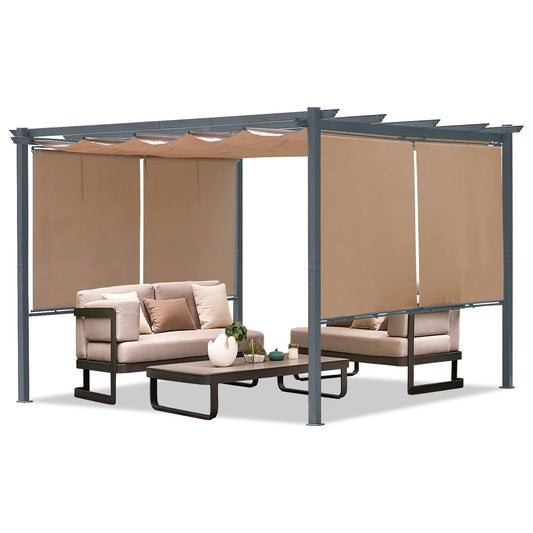
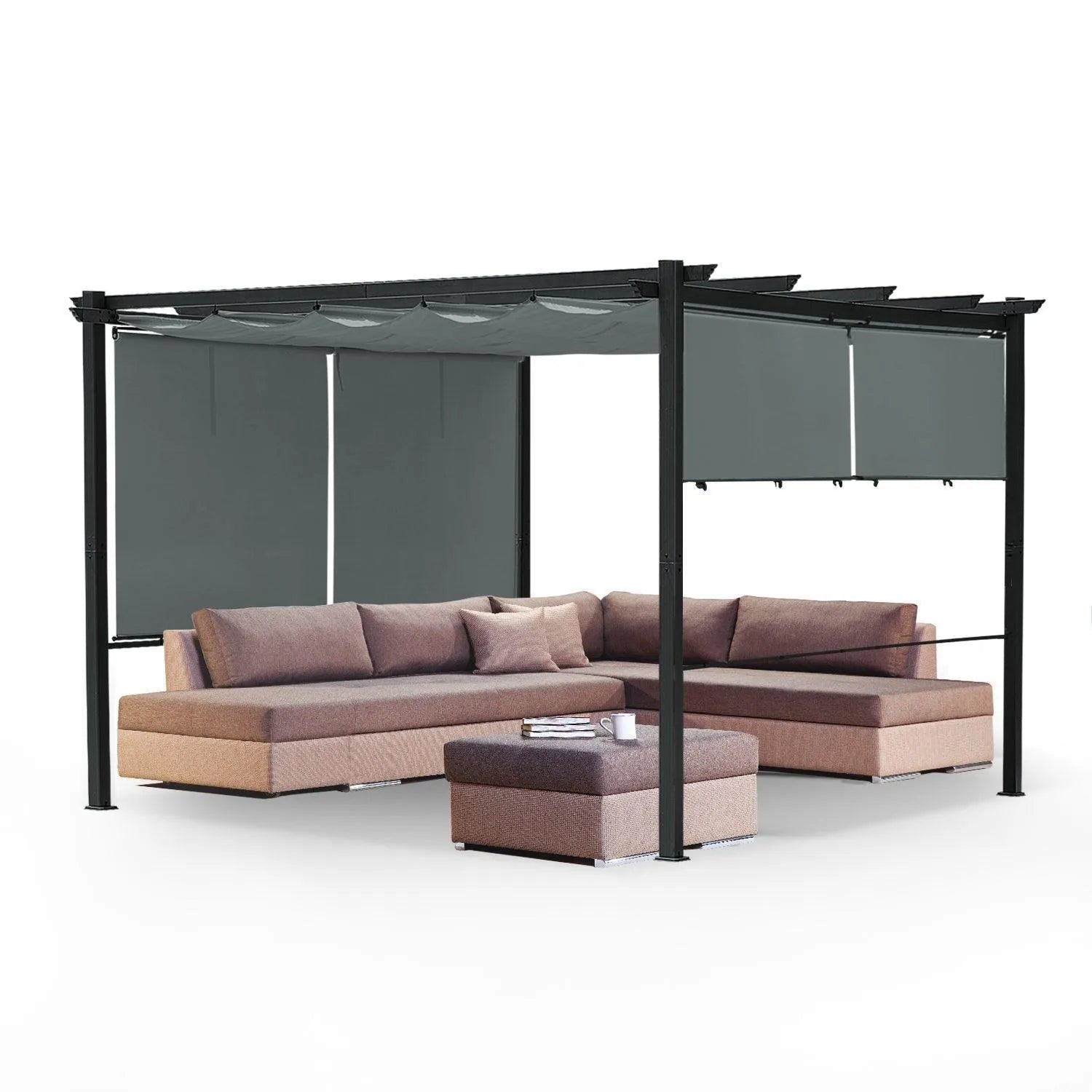
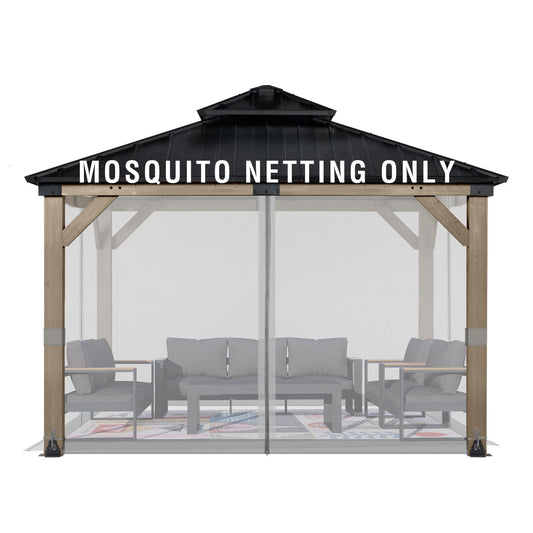




A deck with a pergola is one of the most searched outdoor living upgrades in the US, and for good reason. The combination turns a flat, open surface into a defined outdoor room with shade, character, and real usability. Whether you are browsing deck with pergola ideas for a ground-level space or planning a pergola on deck installation for a raised structure, this guide covers 35 practical options organized by deck type, a structural safety checklist, a material pairing guide, and honest combined cost numbers that most sites keep separate.
A deck with a pergola combines open-air shade with a defined outdoor living space. Before adding a pergola to your deck, confirm the deck's structural integrity, choose materials that match your deck surface, and size the pergola to cover 50 to 70 percent of the deck area. Done right, this combination adds usable square footage and measurable home value.
Can You Add a Pergola to an Existing Deck? What to Check First
Adding a pergola on deck is possible in most cases, but running a few checks before you buy anything prevents costly mistakes. Skipping this step is how homeowners end up with wobbly structures or damage to a deck with pergola installation that was not built to carry the extra load.
The 5-Point Structural Checklist Before You Buy
Work through these five questions before selecting a pergola. Flag any "no" answer and address it first.
|
Check |
What to Look For |
Result |
|---|---|---|
|
1. Wood rot and rust |
Soft spots on boards, discolored brackets, flaking hardware |
Any rot = fix first |
|
2. Footing depth |
Posts set below frost line, footings solid and plumb |
Shifting = inspect |
|
3. Deck load rating |
Most residential decks rated 50 psf total load |
Unknown = verify |
|
4. Joist accessibility |
Can you locate joists beneath boards to anchor posts? |
Buried = plan around |
|
5. Waterproofing plan |
Every anchor penetration point needs sealant to prevent rot |
No plan = add before install |
An aluminum pergola post typically loads the deck at 100 to 150 pounds per post. On a standard deck rated at 50 pounds per square foot, this is well within tolerance when posts are positioned over or near a joist. Heavier wood pergolas require more careful load distribution and are not recommended for decks over five years old without a professional inspection.
Freestanding vs. Deck-Mounted Pergola: Which Is Safer?
Both approaches are safe when done correctly. The key difference is how weight is distributed:
- Freestanding pergola: posts rest on post base brackets bolted into the joists below the deck boards. Most common for DIY installs and aluminum pergolas.
- Deck-mounted (attached to house): one side anchors to the home's framing, eliminating two posts and cutting deck load by roughly half. Best for older or lighter decks.
In both cases, anchors must reach the joists or beams beneath the deck surface. Never anchor into surface boards alone.

How to Match Your Pergola to Your Deck Material
Choosing a pergola for deck installation based on looks alone, without considering material compatibility, creates a maintenance mismatch that costs money within a few years. The best pairing strategy aligns maintenance schedules and accounts for how anchoring works for each deck surface type.
Wood Deck and Pergola Pairings That Work
A pressure-treated wood deck pairs well with cedar or aluminum pergolas. Cedar brings a consistent natural aesthetic and both materials accept stain, so your maintenance schedule stays aligned. Aluminum eliminates the pergola's maintenance requirement entirely, which matters if the deck already demands annual upkeep. Vinyl pergolas on wood decks tend to look mismatched in texture and scale and are best avoided.
Composite Deck and Pergola: The Best Match
Composite decking is chosen precisely because it requires minimal maintenance. Pairing it with a wood pergola creates an imbalance: you have eliminated maintenance on one surface but kept significant upkeep on the other. Aluminum pergolas are the natural companion to composite decks for three reasons:
- Both are low maintenance and resist moisture and UV damage.
- Both maintain their appearance over a 20 to 25 year horizon without painting or staining.
- Aluminum's lower weight (100 to 150 lbs per post) places less structural demand on composite deck framing.
Deck Surface vs. Pergola Material: Pairing Guide
This table shows compatibility across the four most common deck surfaces and three pergola material types.
|
Deck Surface |
Cedar/Wood Pergola |
Aluminum Pergola |
Vinyl Pergola |
Anchoring Note |
|---|---|---|---|---|
|
Pressure-treated wood |
Excellent |
Excellent |
Avoid |
Bolt into joists with lag screws |
|
Cedar or redwood |
Excellent |
Excellent |
Avoid |
Same material simplifies stain matching |
|
Composite (wood-plastic) |
Good |
Excellent |
Good |
Must anchor into joist, not composite board |
|
PVC / capped composite |
Avoid |
Excellent |
Good |
Joist anchoring essential; boards cannot bear load |
Aluminum pergolas rate Excellent or Good across every deck type, making them the safest choice when you are unsure about long-term compatibility.
Pergola Size Guide for Decks
Whether you are looking at pergola deck ideas for a compact space or a full outdoor room, proportion is the variable that makes or breaks the result. A pergola that is too small looks like an afterthought on a deck with pergola setup. One that is too large removes the open character that makes a deck enjoyable. Covering 55 to 70 percent of the deck area is the sweet spot: enough shade to define a zone while keeping the open edges that preserve the outdoor feeling.
How Big Should a Pergola Be on a Deck?
|
Deck Size |
Recommended Pergola |
Coverage % |
Best Use Case |
|---|---|---|---|
|
10x10 ft (100 sqft) |
8x8 ft |
64% |
Intimate seating for 2-3 |
|
12x16 ft (192 sqft) |
10x12 ft |
63% |
Dining set for 4-6 |
|
16x20 ft (320 sqft) |
12x16 ft |
60% |
Dining + lounge zones |
|
20x20 ft (400 sqft) |
14x16 ft or two 10x10 |
56-64% |
Full outdoor room |
|
20x24 ft (480 sqft) |
16x20 ft |
67% |
Large entertaining area |
Covering more than 75 percent of the deck can feel enclosed and may trigger permit requirements. If full coverage is the goal, a louvered pergola with adjustable slats gives you the option to open up the roof visually on clear days.

Partial Coverage vs. Full-Deck Pergola
Partial coverage is the more flexible approach and suits most homeowners. The main advantages:
- Allows a shaded dining zone and an open sunbathing section on the same deck.
- Easier to permit in most counties.
- Places less cumulative load on the deck frame.
A full-deck pergola creates a more immersive outdoor room but requires a structurally sound deck, raises the load calculation, and can make the space feel more like a covered porch than open outdoor living.
35 Deck with Pergola Ideas by Deck Type
The deck with pergola ideas below are organized by deck type because structural constraints, aesthetic opportunities, and size considerations all vary by how the deck is built. These pergola on deck ideas cover ground-level, raised, rooftop, and small deck setups. Browsing by deck type rather than by style alone saves time and avoids designs that simply will not work for your specific situation.
Ground-Level Deck with Pergola Ideas
Ground-level decks offer the most flexibility. Structural load is less of a concern and anchoring options are wider than on elevated surfaces. These ten ideas work especially well at grade.
- Modern black aluminum pergola over a composite deck: clean architectural lines, zero maintenance, pair with light gray decking and dark furniture for contrast.
- Cedar pergola with open lattice and diagonal string lights: the most classic combination for traditional and craftsman homes. Stain cedar to match deck boards.
Louvered aluminum pergola over a ground-level outdoor kitchen zone: adjustable slats keep the cook comfortable without trapping smoke, ideal for any ground-level entertaining setup.
- Two-toned pergola with dark metal posts and natural wood beams: bridges modern and rustic aesthetics. Ground level is the right context because the contrast reads best at eye level.
- Vine-covered rustic wood pergola on a cedar deck: takes two to three growing seasons to reach full effect. Wisteria, climbing roses, and jasmine are top choices for US climates.
- Pergola with retractable shade canopy over a dining area: solves the full-sun problem without committing to a fixed roof structure.
- Pergola positioned over a hot tub section: defines that zone and provides privacy screening on two or three sides with fabric panels.
- Farmhouse-style white-painted wood pergola: works best when deck boards are also stained white or light gray to maintain a cohesive palette.
- Corner pergola on a large ground-level deck: serves as a focal point and seating anchor without covering the entire surface.
- Single-post cantilevered pergola: minimizes footprint while providing shade for a two-chair reading nook.

Raised Deck with Pergola Ideas
Raised decks require more attention to load distribution and wind exposure. Aluminum pergolas are strongly preferred because the lower weight per post significantly reduces stress on elevated framing. These ten ideas account for those constraints.
Wall-mounted pergola on a raised deck: anchors one side to the house, eliminating two posts and cutting deck load by half. The most structurally conservative approach for older or lighter raised decks.
- Louvered aluminum pergola with cable railings: clean lines on both elements frame views rather than obstruct them. A strong match for contemporary homes.
- Raised deck pergola with integrated outdoor ceiling fan: extends usability through humid summer evenings. Most outdoor fans mount directly to pergola beams.
- Pergola with privacy screen panels on non-house sides: creates an enclosed feel without full walls, which would require a permit in most counties.
- String lights run along the interior of beams, not draped across: cleaner look that holds better in wind than loose festoon-style arrangements.
- Pergola over a raised deck hot tub with curtain system on three sides: allows complete enclosure for evening use.
- Second-story raised deck with freestanding aluminum pergola: creates a rooftop-style outdoor room without the structural complexity of true rooftop installation.
- Dark composite decking with black aluminum frame: both materials are maintenance-free, and the high contrast reads well from the yard below.
- Raised deck pergola with built-in planter boxes at post bases: softens the structural look without any climbing vine wait time.
- Raised deck pergola anchored with hurricane ties: appropriate for coastal or wind-prone regions, adds minimal cost, significantly increases stability.
Rooftop Deck with Pergola Ideas
Rooftop decks introduce wind load as the primary design challenge. Pergolas on rooftop decks must anchor into structural elements of the building below, not just the deck surface. Aluminum framing is required over wood to minimize weight. These eight ideas are selected with those constraints in mind.
- Louvered aluminum pergola: best combination for wind management. Adjustable slats angle to deflect wind rather than catch it, and aluminum resists corrosion in urban rooftop environments.
- Rooftop pergola with wind-rated side curtains on the prevailing-wind side: creates a sheltered zone without a solid wall.
- Small pergola covering only a dining area: keeps wind load calculation low and the permit process simpler than a full-deck structure.
- Pergola with integrated planter boxes around the base: the green barrier diffuses wind and adds visual softness to an otherwise urban setting.
- Black aluminum with white furniture and natural wood accents: the most popular aesthetic for urban rooftops based on current design trends.
- Retractable fabric canopy that fully retracts in high-wind conditions: the safest option for locations with frequent storms.
- LED strip lighting inside the beams: provides ambient evening light without exposed bulbs that move and rattle in wind.
- Freestanding pergola with weighted post bases: appropriate only for very light structures in sheltered locations. For most urban rooftops, structural anchoring into the building is required.

Small Deck with Pergola Ideas
Compact decks under 150 square feet benefit from a pergola more than almost any other size: the structure adds vertical dimension that makes the space feel significantly larger. See also: Maximize Small Patios: Smart Furniture Layout Ideas for furniture layout guidance that pairs well with small deck setups.
- 8x8 aluminum pergola kit on a 10x10 deck: the correct starting point for most compact outdoor spaces. Aluminum is preferred because its lighter weight suits the smaller joist systems common on compact decks.
- Wall-mounted pergola on a small deck: one open side facing the yard creates the impression of a larger space while covering only the seating zone adjacent to the house.
- Single-canopy pergola over a bistro table and two chairs: the most minimal and cost-effective setup for a compact deck.
- Hanging plants at each post: brings greenery into a compact space without taking any floor area.
- Corner pergola on an L-shaped small deck: uses the corner as a natural anchor point, leaving the two longer edges completely open.
- Dark-stained pergola on a light-colored deck: color contrast defines the covered zone visually without physically enclosing it.
- Single outdoor pendant hung from the center beam: provides focused evening light that scales correctly to a small space.
How to Furnish a Deck with Pergola
The pergola frame on a deck with pergola setup defines the zone. What goes inside determines whether the space is actually used daily. Furniture scale, layout clearance, and textile choices are the three variables that separate a pergola on deck that gets used daily from one that becomes a background element people walk past.
Furniture Layout Ideas Under a Deck Pergola
Leave 18 to 24 inches of clearance between furniture edges and the interior face of the pergola posts. This prevents the space from feeling crowded and makes it easier to move chairs without scraping the structure. Recommended setups by pergola size:
- 10x10 pergola: two lounge chairs with side table, or a 4-person round dining set.
- 10x12 pergola: 6-person rectangular dining table, or a 3-piece sofa set with coffee table.
- 12x16 pergola: dining area plus small lounge zone on opposite ends, with clear path between.
Do not try to fit both a dining area and a full lounge under a pergola smaller than 12x16. Serving both purposes in a smaller footprint results in neither zone functioning well.
Outdoor Cushions and Textiles for Deck Pergolas
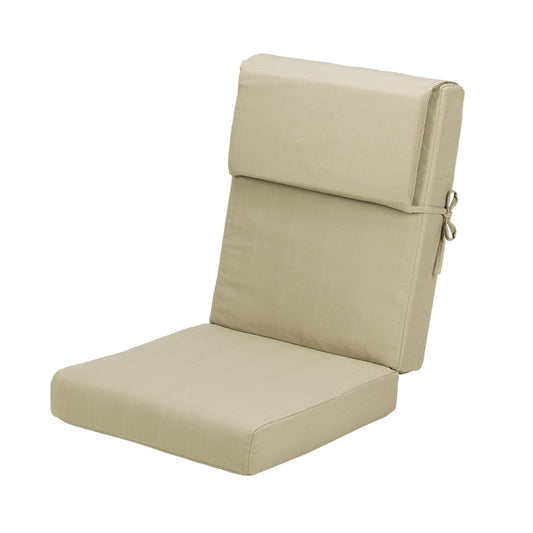
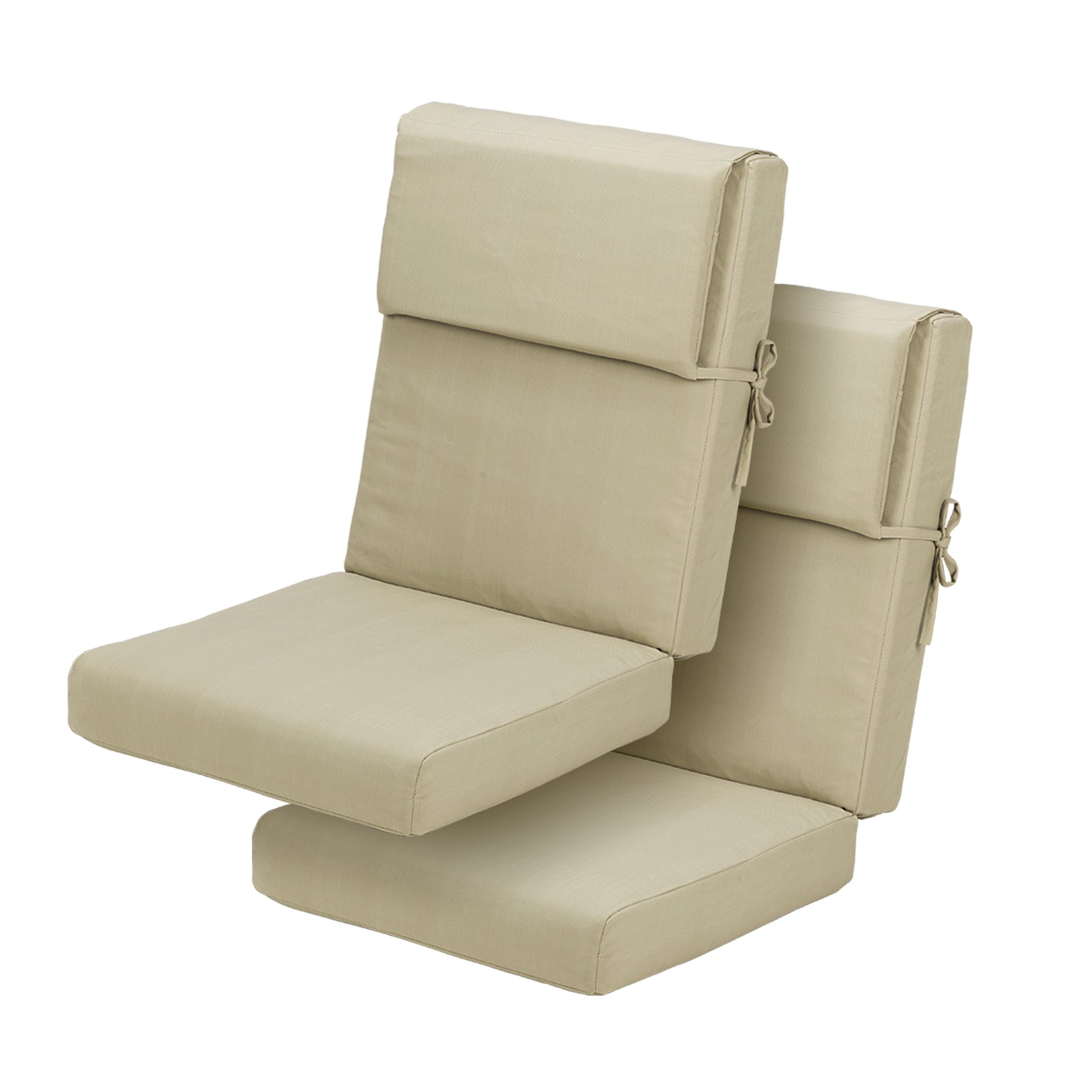
Deck environments expose cushions to more moisture than ground-level patios because decks drain slowly and stay damp after rain. Solution-dyed acrylic and olefin fabrics are the correct choice: both resist mold, UV fade, and moisture absorption significantly better than polyester or cotton. For a wood pergola, earth-tone cushions in terracotta, sage, or warm beige reinforce the natural palette. For a black or gray aluminum frame, crisp white or charcoal cushions hold the modern contrast. Browse Aoodor outdoor cushions for weather-resistant options rated for all-season outdoor use.

Privacy and Weather Add-ons for Deck Pergolas
Three upgrades that extend usability without replacing the pergola structure:
- Side curtains on a tension rod: most cost-effective privacy upgrade, installs without tools on most frames. Use solution-dyed acrylic for wind and rain resistance.
Shade canopy over an existing open-beam pergola: converts the structure to a rain-protected space without replacing the frame.
- Outdoor ceiling fan rated for wet locations: mounted to the center beam, reduces perceived temperature by 4 to 6 degrees Fahrenheit in still air and extends use through humid evenings.
Permit and Safety Questions for Deck with Pergola Projects
Permit requirements and structural safety are the two practical concerns that come up most often for deck with pergola projects but are rarely answered fully in inspiration guides. Whether you are planning a new build or adding a pergola on deck to an existing structure, the detail below covers what homeowners need to know before starting.
Do You Need a Permit to Add a Pergola to a Deck?
The general rule in most US jurisdictions: a freestanding pergola under 200 square feet with an open-beam or lattice roof does not require a building permit. Three situations commonly trigger permit requirements:
- The pergola is attached to the house structure.
- The pergola has a solid or waterproof roof that qualifies it as a covered structure.
- The deck it sits on is elevated more than 30 inches above grade.
HOA restrictions operate independently of municipal codes and may require architectural review approval regardless of permit status. Always confirm with your local building department before ordering materials.
Who Should Inspect the Deck Before You Install?
For ground-level decks in good visible condition, the 5-point checklist earlier in this guide is sufficient. A professional inspection is the right call when:
- The deck is raised more than 4 feet above grade.
- The deck is more than 10 years old.
- There is any visible doubt about framing condition below the surface boards.
A structural inspection by a licensed contractor typically costs $150 to $400. That cost is negligible compared to the price of a pergola installed on a deck that then requires repair.
What to Know About Anchoring a Pergola to a Deck
The single most important rule: never anchor pergola posts to deck surface boards. All anchoring must go through the decking into the joists or beams below using heavy-duty lag bolts or through-bolts. Post base brackets are the standard hardware solution, bolted through the deck surface into the joist below. For a complete installation walkthrough, see Aluminum Pergola Installation Guide.

Frequently Asked Questions
Short answers to the questions that come up most when planning a deck with pergola project.
Can I put a pergola on an old wood deck?
Yes, if the deck passes the structural checklist. Sound joists and solid footings matter more than age. A 15-year-old deck with intact framing is a safer base for a pergola on deck installation than a newer deck with undersized joists or early rot signs.
What is the best pergola for a composite deck?
Aluminum is the strongest match. Both materials are low maintenance, resist moisture and UV damage over 20 to 25 years, and aluminum's lighter weight reduces structural demand on the composite joist system.
How do I keep my deck pergola from moving in wind?
Anchor posts into joists with lag bolts, not into surface boards. For raised decks or rooftop locations, add diagonal bracing between posts. Always check the pergola kit's stated wind load rating before purchasing.
What is the difference between a pergola on a deck vs. a patio?
A patio allows anchoring directly into concrete, which is the most stable method. A deck requires anchoring through boards into structural joists below, using post base brackets. Both can produce equally strong results with the correct hardware. For a full comparison of outdoor structure types, see Choosing Between Pavilion, Gazebo, and Pergola.
Ready to Upgrade Your Deck?
A deck with a pergola is one of the highest-impact outdoor upgrades available at nearly every budget level. The structural checklist, material pairing guide, and size ratios in this guide give you the practical foundation to move forward confidently with any deck with pergola project, whether you are adding to an existing deck or building both from scratch.
Explore the full Aoodor pergola collection to find designs that match your deck type and budget, with free shipping on all orders.

