


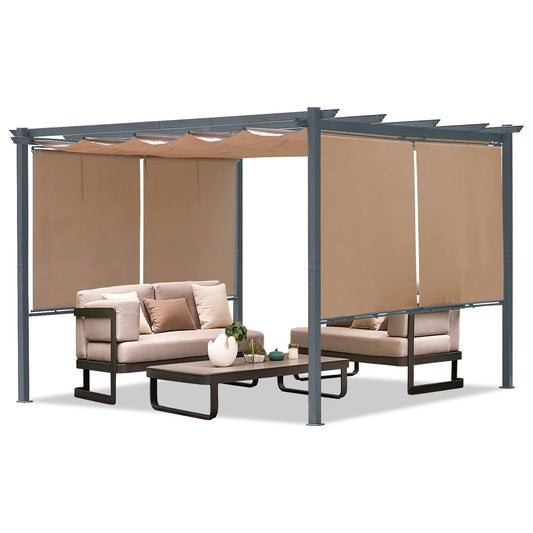
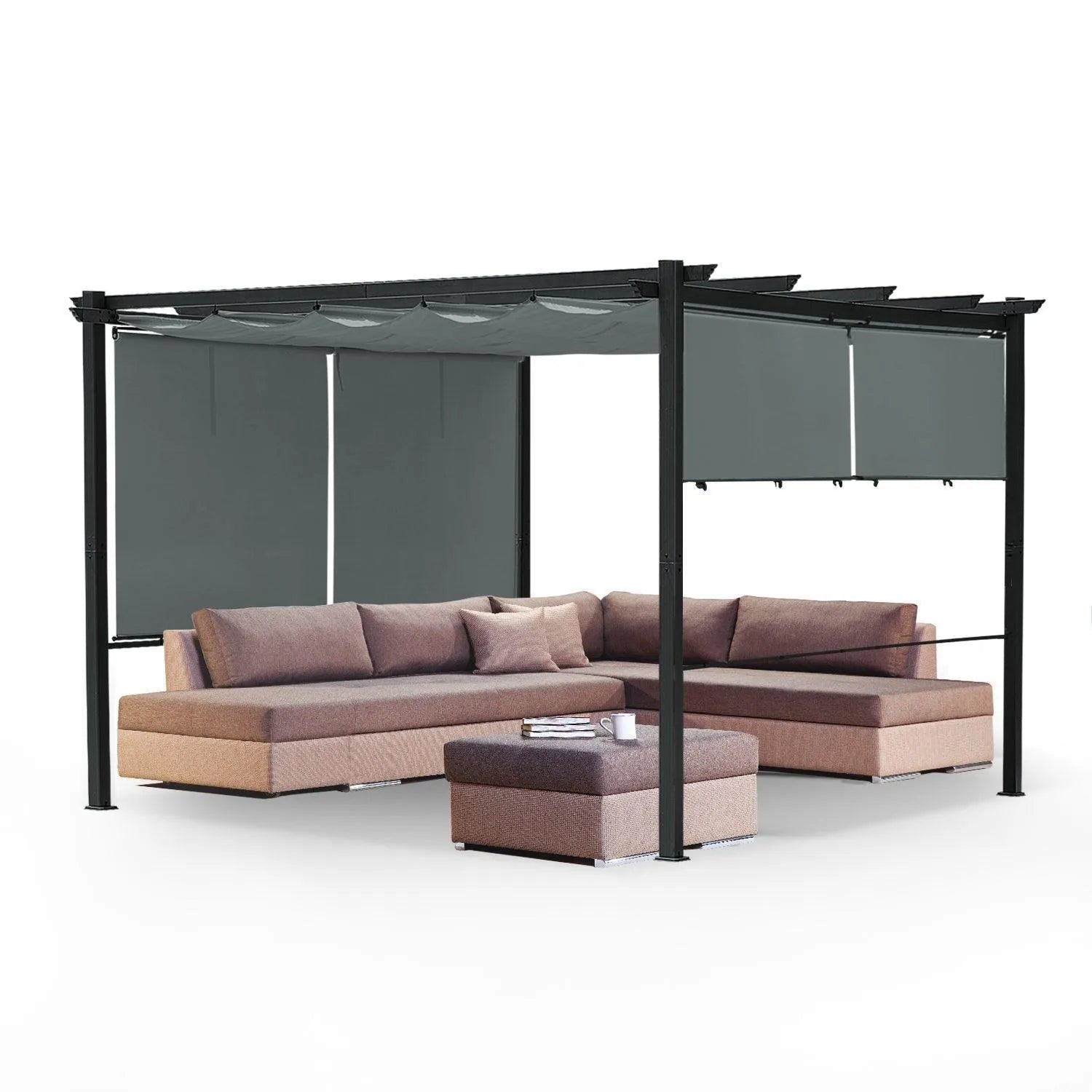




A front porch pergola does something most curb appeal upgrades cannot: it adds architectural intention to the most visible part of your home without a full renovation. This guide covers 7 design ideas matched to specific home styles, a sizing framework, decorating tips, and the practical questions homeowners ask most before committing to a front porch pergola.
A front porch pergola is an outdoor structure of posts and open beams installed over or alongside a home's front entry to add shade, define the entryway, and enhance curb appeal. It can be wall-mounted to the house or freestanding, and works across architectural styles from Craftsman and Colonial to modern and ranch homes.
Why a Pergola Front Porch Works So Well for Curb Appeal
Most front porches are functional but forgettable. A pergola changes that by adding the one element flat facades lack: vertical depth and a defined frame around the entry. The effect reads immediately from the street, and it is one of the few upgrades that improves the experience of both arriving and leaving home.
It Frames the Entry and Guides the Eye
A pergola creates a visual frame around the front door that draws attention to the entry rather than letting it disappear into the wall. Posts and overhead beams give the eye a path to follow, making the approach to the house feel considered and intentional. Even a modest 8x8 pergola over the front steps achieves this effect.
It Adds Architectural Depth to a Flat Facade
Ranch homes, colonial revivals, and modern builds often share the same problem: a flat front face with little shadow or dimension. A pergola front of house installation projects outward from the roofline or wall, creating shadow lines that change throughout the day and give the facade the kind of layered depth that higher-end architectural details provide.
It Increases Home Value Without a Major Renovation
A pergola in front of house placement is one of the more accessible curb appeal investments available. Real estate agents consistently rank front entry improvements among the highest-return exterior upgrades, and a well-designed pergola front of house setup that fits the home's architecture signals maintenance and intentionality to buyers. The investment is typically recoverable at resale when the design is cohesive with the home.

How to Match a Pergola to Your Home's Architectural Style
Choosing the wrong pergola style is the most common and most visible mistake homeowners make with front porch upgrades. A pergola that competes with the house's architecture instead of complementing it draws attention for the wrong reason. The table below maps common US home styles to the pergola types and materials that work best with each.
|
Home Style |
Best Pergola Type |
Recommended Material |
Key Design Detail |
|---|---|---|---|
|
Craftsman / Bungalow |
Attached, exposed beams |
Cedar or stained wood |
Tapered columns, decorative rafters |
|
Colonial / Traditional |
Wall-mounted, symmetrical |
White-painted wood or vinyl |
Clean lines, matching trim color |
|
Ranch |
Freestanding or wide attached span |
Pressure-treated wood or aluminum |
Wide horizontal profile, low visual weight |
|
Modern / Contemporary |
Wall-mounted, louvered |
Powder-coated aluminum |
Clean geometry, neutral tones (black, gray) |
|
Farmhouse |
Attached, open lattice |
Reclaimed or rough-sawn wood |
String lights, climbing vines, natural finish |
|
Mediterranean / Spanish |
Freestanding with columns |
White stucco-finish or painted wood |
Arched beams, terracotta or wrought iron accents |
The table simplifies the decision to two questions: what style is the house, and does the pergola reinforce or compete with that style? In nearly every case, matching the pergola's material to the home's dominant exterior material (wood siding with cedar, stucco with painted white, modern composite with aluminum) is the clearest path to a cohesive result.
Color and Finish Matching Tips
Color is where pergola front porch projects most often go wrong. A few reliable principles:
- Match the pergola color to the home's trim, not the body color. This creates visual continuity and avoids the pergola reading as a separate object tacked on.
- For painted wood pergolas, use the same paint formula as the existing trim so the match is exact, not approximate.
- Black and dark charcoal aluminum pergolas work with modern and transitional homes because the neutral tone reads as a shadow detail rather than a competing color.
- Natural wood stains should complement the front door color. Warm honey tones work with red or green doors; cooler gray stains pair with black, navy, or white doors.
7 Front Porch Pergola Ideas Worth Considering
These seven ideas cover the widest range of home styles and budgets currently represented in US residential design. Each is described with the home types it suits best and the practical details that make it work.
1. Wall-Mounted Aluminum Pergola for a Modern Porch
A wall-mounted aluminum pergola anchors one side directly to the house facade, creating a clean, low-profile shade structure that extends over the front entry. Powder-coated in matte black or slate gray, this design suits modern, contemporary, and transitional homes. The single-wall attachment reduces the visual footprint and avoids the heavy, colonial feel of four-post freestanding structures. Aluminum requires no painting or staining, making it a practical long-term choice for a high-visibility location.

2. Cedar Beam Pergola for Craftsman and Bungalow Homes
Cedar pergolas with exposed beams and tapered columns are a natural fit for Craftsman and bungalow architecture, where visible structural elements are a design feature rather than an afterthought. The key is proportion: beams should be substantial (4x6 or 6x6 minimum) rather than decorative-scale lumber. A clear or honey-toned stain maintains the warmth of the wood while providing UV protection. This design ages beautifully and requires restaining every two to three years.

3. Louvered Pergola for Sun Control and Year-Round Use
A louvered pergola with adjustable aluminum slats is the most functional option for front porches with significant afternoon sun exposure. The slats rotate from fully open to fully closed, allowing precise shade control without removing the overhead structure. Louvered pergolas work on modern, transitional, and ranch-style homes. They are typically wall-mounted and require the most upfront investment of any type in this list, but the adjustability makes the front porch usable at all hours rather than only in the morning or evening.

4. Freestanding Pergola as a Standalone Entry Feature
A freestanding pergola positioned near the front walkway rather than directly against the house creates a garden gate effect that frames the approach without attaching to the structure. This works well on properties with a longer setback where the pergola can serve as a visual anchor between the street and the door. Mediterranean, cottage, and farmhouse homes suit this approach. The pergola can support climbing roses, wisteria, or jasmine to create a living archway effect over time.

5. Vine-Covered Open Lattice Pergola for Cottage Style
An open lattice pergola is the traditional structure designed specifically to support climbing plants. For cottage, Victorian, and farmhouse homes, a vine-covered front porch pergola is one of the strongest curb appeal statements available. The lattice provides immediate structure while the plants fill in over two to three growing seasons. Climbing hydrangeas and New Dawn roses are reliable choices for most US climates. Wood or vinyl construction both work; vinyl requires no maintenance but lacks the character of painted or stained wood.

6. Eyebrow Pergola Over the Front Door
An eyebrow pergola is a narrow, horizontal structure positioned directly above the front door rather than spanning the full porch. It provides a modest shade projection and visual accent without the commitment of a full porch pergola. This design works on traditional, colonial, and transitional homes where a larger structure would feel out of scale. The installation is simpler and less expensive than a full pergola and can be the right solution for homes with a narrow porch or a setback entry.

7. Wide Span Pergola Across the Full Front Porch
A full-width pergola spanning the entire front porch creates the most dramatic curb appeal transformation of any option in this list. It effectively becomes a new architectural element of the home's facade and works best on colonial, craftsman, and farmhouse homes where the porch is already a prominent design feature. The pergola should match the porch width precisely to avoid gaps that look unfinished. Wide span designs require the most structural planning and are typically the highest-cost option, but the visual result is the most complete outdoor room feel at the front of the house.
Browse wall-mounted pergolas for designs suited to front porch attachment, including modern aluminum profiles and adjustable canopy options.

How to Size a Front Porch Pergola Correctly
Proportion is the variable that separates a pergola that looks built-in from one that looks added on. The most common mistake is undersizing: a pergola that is narrower than the porch entry creates a cramped, decorative-only effect rather than a genuine shade and architectural element. The table below gives recommended dimensions based on porch width.
|
Porch Width |
Recommended Pergola Width |
Depth |
Height |
|---|---|---|---|
|
Under 8 ft |
Match porch width, 6 to 8 ft |
6 to 8 ft |
9 to 10 ft |
|
8 to 12 ft |
Match porch width exactly |
8 to 10 ft |
10 ft |
|
12 to 16 ft |
12 to 14 ft minimum |
10 to 12 ft |
10 to 12 ft |
|
Over 16 ft |
Span full width or zone by entry |
10 to 12 ft |
10 to 12 ft |
Height matters as much as footprint. A pergola that is too low over a front entry feels oppressive and can interfere with taller visitors. A minimum of 9 feet from grade to the lowest beam is the practical standard. For two-story homes, 10 to 12 feet reads better in proportion to the facade.
For a full breakdown of pergola height recommendations by application and home type, see How Tall Should a Pergola Be.
Decorating Your Front Porch Pergola After Installation
The pergola frame is the canvas. How you finish it determines whether the front porch reads as a complete, designed space or a nice structure waiting for something to happen. Three categories of finishing touches have the most visual impact from the street.
Lighting: String Lights, Lanterns, and Integrated Fixtures
Front porch pergola lighting serves two purposes: it extends usability into the evening and it adds visual warmth that reads from the street as welcoming. The most effective approaches:
- Warm white string lights (2700K) draped across interior beams: the most popular choice and the most forgiving to install.
- Wall-mounted lanterns on the house side of the pergola: provide directional light for the entry and reinforce the architectural frame.
- Integrated LED strip lighting recessed into beam undersides: the cleanest look for modern and contemporary pergolas.
Avoid mixing light temperatures. Warm white throughout the pergola creates cohesion; mixing warm and cool sources creates a visual noise that dilutes the effect.
Plants: Climbing Vines, Hanging Baskets, and Container Gardens
Plants transform a structural pergola into a living front porch feature. For climbing coverage, give any vine at least two full growing seasons before evaluating the effect. Reliable front-porch climbers for most US climates include New Dawn rose, clematis, and climbing hydrangea. For immediate seasonal color, hanging baskets at the pergola posts are the fastest and most flexible option. Container gardens at the base of each post anchor the structure to the ground visually and soften the transition from hardscape to pergola.
Furniture and Seating That Fits the Scale
Front porch furniture under a pergola should be proportional to the pergola's footprint, not the full porch area. A pergola that covers a seating zone should contain one defined furniture grouping rather than scattered pieces. For porches under 10 feet wide, two chairs and a small table is the appropriate scale. For wider porches, a loveseat or small sofa with side chairs creates a complete seating arrangement. See Maximize Small Patios: Smart Furniture Layout Ideas for layout principles that apply directly to front porch seating zones.

3 Common Mistakes to Avoid When Adding a Pergola to Your Front Porch
These three mistakes account for the majority of front porch pergola projects that look off or create problems after installation. All three are avoidable with planning.
Choosing a Style That Clashes With Your Home's Architecture
A modern black aluminum pergola on a Victorian cottage or a rustic wood pergola on a contemporary home creates visual dissonance that is immediately apparent from the street. The home style matching table earlier in this guide addresses this directly. When in doubt, default to matching the pergola's primary material to the home's dominant exterior material and the color to the existing trim.
Undersizing the Structure for the Porch
A pergola that is narrower than the porch entry or shallower than 6 feet looks decorative rather than architectural. It signals that the structure was chosen for budget rather than proportion, which undermines the curb appeal benefit. Use the sizing table in this guide to establish minimum dimensions before comparing products.
Skipping HOA and Local Permit Checks
Front-of-house structures are more likely to trigger HOA architectural review than backyard projects. Many HOAs require pre-approval for any exterior modification visible from the street, regardless of size or permit status with the municipality. Check both your HOA covenants and local building department requirements before ordering materials.
For a detailed breakdown of anchoring methods, building code requirements, and safety considerations, see Pergola Anchor Requirements.
FAQ: Front Porch Pergola Questions
Straightforward answers to the questions US homeowners ask most before committing to a front porch pergola project.
Does a pergola on the front porch need a permit?
Usually not if it is freestanding, under 200 square feet, and has an open-beam roof. Front-of-house placement increases the likelihood of HOA review requirements, which operate independently of municipal permits.
How much does a front porch pergola cost?
A DIY aluminum or wood kit for a standard front porch runs $400 to $1,500. Professionally installed pergolas with custom sizing range from $2,000 to $8,000 depending on material, size, and complexity.
What is the best pergola material for a front porch?
Aluminum requires the least maintenance in a high-visibility location. Cedar is the best choice when natural wood aesthetics are the priority. Vinyl is low maintenance but limited in scale and design flexibility.
Can a pergola be added to an existing porch?
Yes, provided the porch structure can support anchor points. Wall-mounted designs attach to the house framing. Freestanding designs use post footings or deck-style post anchors. See Pavilion vs. Gazebo vs. Pergola for structure type comparisons.
What size pergola fits a standard front porch?
A standard 10 to 12 ft wide front porch fits a 10 ft wide pergola with 8 to 10 ft depth and 10 ft height. Match width to porch width and keep height at 9 ft minimum to avoid a low, oppressive feel.
Will a front porch pergola increase my home's value?
A well-proportioned pergola matched to the home's architecture typically contributes positively to curb appeal assessments. Real estate professionals rank front entry improvements among the highest-return exterior upgrades at resale.
What is the difference between a pergola and a porch cover?
A pergola has an open-beam or lattice roof that provides partial shade but no rain protection. A porch cover or roof extension is a solid overhead structure. Pergolas offer more visual openness; porch covers provide full weather protection.
Start With the Right Design for Your Home
A front porch pergola works best when it reinforces what is already good about the home's architecture rather than introducing a competing element. The style matching table, sizing framework, and finish guidance in this guide give you the tools to make that decision confidently before spending anything.
Browse the full Aoodor pergola collection to find designs suited to front porch installation, with free shipping on all orders.

