






To wash outdoor cushions, brush off loose debris, then choose your method: hand wash with warm water and mild dish soap using a soft-bristle brush, machine wash removable covers on cold gentle cycle if the care label allows, or spot clean non-removable cushions with a damp cloth and mild soap. Always air dry completely before storing or using the cushions again.
Washing outdoor cushions incorrectly can shrink covers, strip water-resistant coatings, or leave foam cores with trapped moisture that leads to mold within days. The challenge is that there is no single correct method for every cushion — the right approach depends on whether covers are removable, what fabric type you have, and how soiled the cushions are. This guide covers preparation steps, a method comparison, and exact protocols matched to your cushion type so you get the best result without damaging what you already own.

Before You Wash: 3 Preparation Steps
Skipping these steps is the most common reason outdoor cushions come out of a wash looking worse, shrinking, or developing mildew from trapped moisture in the weeks after cleaning.
Step 1: Check the Care Label
The care label sewn into your outdoor cushion cover is the single most important guide. Look for these codes before reaching for any cleaning product:
- W — water-based cleaning is safe; includes machine washing and hand washing
- S — solvent or dry cleaning only; water should not be used directly on the fabric
- W/S — both water and solvent-based cleaning are safe for spot cleaning
- X — vacuum or brush only; no liquid cleaning of any kind should be applied
If the label has worn off, treat the cushion as X code and stick to dry brushing and professional cleaning until you can confirm the fabric type from the manufacturer.
Step 2: Vacuum and Dry-Brush Loose Debris
Before any water touches the fabric, take the cushions outside to a paved surface and use a soft-bristle brush or a vacuum with an upholstery attachment to remove loose dirt, pollen, pet hair, and debris. This step removes 50 to 60 percent of surface contamination before washing begins, which means your cleaning solution works on embedded grime rather than pushing loose particles deeper into the fabric weave. Never skip this step even when cushions look clean on the surface, because dry particles driven into wet fabric dramatically increase the scrubbing effort needed later.
Step 3: Spot-Test Your Cleaning Solution
Before applying any cleaning solution across the full surface, test it on an inconspicuous area such as the underside or a back corner. Apply a small amount, wait ten minutes, and check for color change, bleeding, or water marks. This is especially important for outdoor cushions with pattern printing or darker colorways, where some cleaning agents can cause visible fading. Performance fabrics like Sunbrella and Olefin are very tolerant of mild soap and water, but canvas blends and polyesters with surface coatings can react unexpectedly to vinegar or oxygen-based cleaners.

Which Washing Method Is Right for You?
The best way to wash outdoor cushions depends on whether the covers are removable, how soiled the cushions are, and what fabric type you have.
|
Method |
When to Use |
Time Needed |
Best For |
Not Suitable For |
|---|---|---|---|---|
|
Spot Cleaning |
Minor stains, quick refresh |
15 to 30 min |
Non-removable covers, light dirt |
Heavy mold, full-surface grime |
|
Hand Washing |
Moderate dirt, full-surface clean |
1 to 2 hrs plus dry time |
All fabric types, delicate weaves |
Very large or heavy cushions |
|
Machine Washing |
Deep clean of removable covers |
45 min wash plus dry time |
Polyester, Sunbrella, Olefin with zipper |
Canvas, leather, PVC, non-removable covers |
Spot cleaning handles isolated stains quickly and works on any cushion regardless of cover construction. Hand washing is the safest full-wash method for all fabric types. Machine washing is fastest for removable covers, but only when the care label confirms it is safe.
Clean or Replace Your Outdoor Cushions?
Not every tired-looking cushion needs replacing. If the fabric is intact and the cushion still feels supportive, cleaning according to its care label is a good place to start.
But if the cover is torn, the filling has flattened and no longer feels comfortable, or you’re still unhappy with its condition after cleaning, it may be time to consider a replacement.
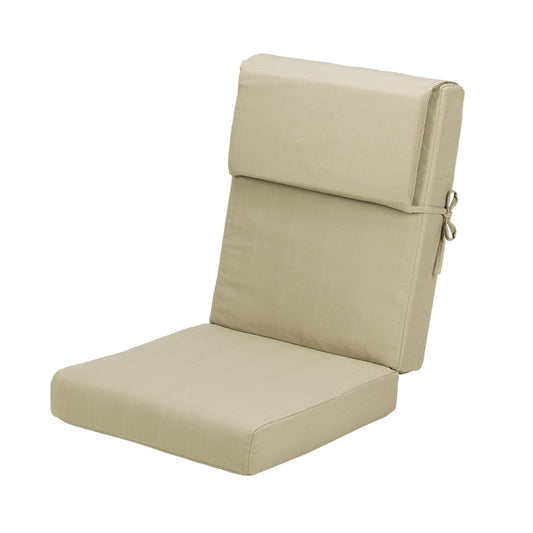
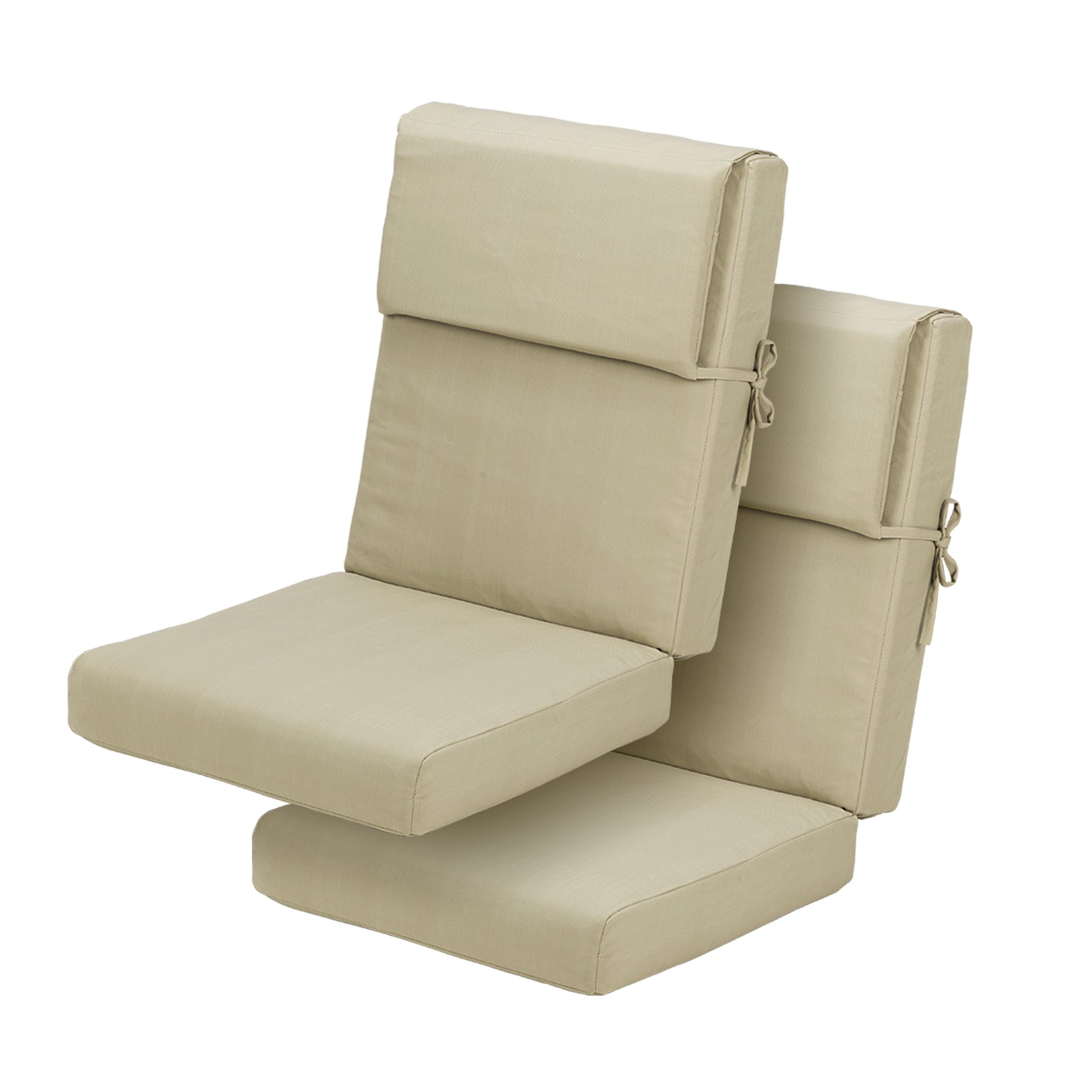
Before you shop, measure your existing seat and back cushions separately, including their width, depth, and thickness. Check those measurements against the replacement’s listed dimensions, and review its materials and care instructions to find an option that suits your space and maintenance routine.
Explore Aoodor’s outdoor cushion collection to compare sizes and styles for your patio seating.
How to Hand Wash Outdoor Cushions
Hand washing is the recommended approach for a full wash because it gives you full control over the amount of moisture entering the cushion and the pressure applied to the fabric. It is safe for all outdoor fabric types and is the best method when you are uncertain about the fabric's tolerance for machine washing.
What You Need
Gather a soft-bristle brush, a bucket, mild dish soap or a gentle outdoor fabric cleaner, a garden hose with a spray nozzle, rubber gloves, and clean towels. A microfiber cloth is useful for blotting stains before the full wash. Do not use stiff wire brushes, abrasive scouring pads, or concentrated detergents, which can break down the protective weave of outdoor performance fabrics.
The 5-Step Hand Wash Process
- Mix 1 tablespoon of mild dish soap per gallon of warm water. For cushions with mildew or heavy buildup, add half a cup of white vinegar to the same solution as a stronger alternative.
- Lay the cushions flat on a clean hard surface and apply the cleaning solution generously across the entire surface, working seam to seam rather than spot-cleaning isolated areas.
- Scrub the full surface using straight strokes along the fabric weave with a soft-bristle brush. Avoid circular scrubbing motions, which can create water rings on performance fabrics. Allow the solution to soak for 10 to 15 minutes before rinsing.
- Rinse each cushion thoroughly with a garden hose until the water running off is completely clear. Soap residue left in the fabric attracts more dirt. Rinse the underside with equal thoroughness.
- Stand the cushions on their edges after rinsing so water drains from both faces and the foam core does not retain standing water.

How to Machine Wash Outdoor Cushion Covers
Machine washing is the most efficient method for removable covers after heavy seasonal use or before long-term storage. It works well for most Sunbrella, Olefin, and solution-dyed polyester removable covers.
Which Covers Can Go in the Machine?
A cover is safe to machine wash when all three conditions are met: it is removable via a zipper or button fastening, the care label shows a W code or a machine wash symbol, and the fabric is a synthetic performance material such as polyester, Sunbrella acrylic, or Olefin. Do not machine wash canvas and cotton blends, PVC-coated fabrics, leather and faux leather, or any cover without a zipper closure where the foam insert cannot be fully removed.
Exact Machine Settings
- Close all zippers fully before loading. Open zippers catch on the drum and can tear both the cover and the zipper tape during agitation.
- Pre-treat visible stains with a small amount of mild dish soap for five minutes before loading.
- Set the machine to cold water and a gentle or delicate cycle. Cold water prevents shrinkage and protects UV-resistant and water-repellent treatments.
- Use half the normal amount of mild liquid detergent. Never add fabric softener — it permanently reduces the water resistance of outdoor performance fabrics.
- Remove covers promptly once the cycle completes. Air dry flat or hanging. Never tumble dry — heat degrades UV-resistant coatings and can permanently shrink the cover.

Spot Cleaning for Quick Fixes and Specific Stains
Spot cleaning is the right method for fresh spills, isolated stains, and routine maintenance between full washes. It works on any outdoor cushion regardless of whether the cover is removable, and it introduces the minimum amount of moisture to the cushion.
General Spot Clean Method
Blot fresh liquid spills immediately with a clean dry cloth to absorb as much moisture as possible before it penetrates the fabric weave. Never rub a fresh spill, as rubbing spreads the stain and drives it deeper into the fibers. Apply a small amount of mild dish soap mixed with warm water to the stained area using a soft cloth, working in gentle straight strokes. Rinse the spot with clean water, blot again, and allow to air dry fully.
Specific Stain Treatments
- Oil and sunscreen: apply cornstarch or baking soda for 10 to 15 minutes to draw oil from the fabric, then scrape off and follow with mild soap and water.
- Mold and mildew: mix equal parts white vinegar and water, apply, let sit for 15 to 20 minutes, scrub gently, and rinse thoroughly.
- Bird droppings: allow to dry completely before removal. Scrape off the bulk, then clean the remaining mark with mild soap and water.
- Tree sap: apply rubbing alcohol gently to break down the adhesive, then clean with soap and water. Do not apply heat.
How to Dry Outdoor Cushions Correctly
Incorrect drying after washing outdoor cushions is the primary cause of mold problems that appear within one to two weeks of cleaning. A cushion that looks and feels dry on the surface can still hold significant moisture in the foam core.
Stand Upright, Not Flat
After washing, stand outdoor cushions on their edges rather than laying them flat. Standing upright allows air to circulate on both faces simultaneously and lets water drain away from the foam core by gravity rather than pooling inside. Lean them against a wall or fence at a slight angle that keeps them stable. Flip each cushion once during the drying process so both sides receive equal sun and airflow exposure.
How Long Does It Take to Dry?
A standard outdoor seat cushion standing on its edge dries fully in three to five hours under warm, sunny conditions. Thick deep-seat cushions or those with dense foam cores take six to eight hours under the same conditions. On overcast or humid days, allow at least double those estimates. The reliable test for a fully dry cushion is pressing firmly on the center with your palm: if you feel any coolness, resistance, or dampness at all, the core still holds moisture and the cushion is not ready for storage or use.
What Not to Do When Drying
- Never put outdoor cushion covers in a tumble dryer unless the care label explicitly states it is dryer-safe. Heat breaks down UV-resistant coatings and causes synthetic fibers to shrink permanently.
- Never store cushions in a sealed bin until they have passed the palm-press test for dryness. Even storing a cushion that feels surface-dry while the core is 10 percent damp can produce visible mold within a week in warm weather.

After Washing: Apply Fabric Protector to Restore Water Resistance
Washing outdoor cushions strips some of the factory-applied water-repellent treatment from the fabric surface. A cushion that was highly water-resistant before washing may absorb moisture more readily after a thorough clean. Reapplying a fabric protector spray after every deep wash restores this protection and extends the time before the next wash is needed.
- Use products such as 303 Fabric Guard or Scotchgard Outdoor Sun and Water Shield, which create a hydrophobic barrier that causes water and liquid stains to bead on the surface.
- Apply on a completely dry cushion in a well-ventilated area, spray evenly across the full surface, and allow at least 24 hours to cure before exposing the cushion to rain or moisture.
- Water-bead test: spray a small amount of water on the cushion surface. If it absorbs into the fabric within a few seconds, it is time to reapply. If it beads and rolls off, the treatment is still active.
- Reapply at least once per season and after every thorough hand wash or machine wash.
How Often Should You Wash Outdoor Cushions?
Washing on a smart schedule prevents dirt and pollen from embedding deeply into fabric fibers over time, making each successive wash harder. Washing too frequently strips protective coatings and shortens the fabric's lifespan. The right frequency depends on how much use the cushions see and the climate conditions they face.
- Every two weeks: a light dry brush or vacuum removes surface buildup before it can embed into the fabric.
- As needed: spot clean immediately after spills and isolated staining events.
- Once per season: a full hand wash or machine wash of removable covers, ideally in late spring before peak use.
- End of season: a second deep wash before off-season storage removes pollen, food residue, and any moisture buildup that would feed mold growth during months of enclosed storage.
In climates with heavy rainfall, coastal salt air, or high humidity, increase full washing to twice per season. Pet owners and households with young children typically benefit from monthly spot cleaning supplemented by a full wash every two months during peak season.
FAQ: Washing Outdoor Cushions
Can you wash outdoor cushions in the washing machine?
Yes, but only the removable covers. Covers must have a zipper closure, a W or machine-wash care label, and be made from a synthetic performance fabric like polyester, Sunbrella, or Olefin. Use cold water, a gentle cycle, mild detergent, and always air dry.
What is the best detergent for washing outdoor cushions?
Mild liquid dish soap mixed with warm water is the best choice for most outdoor cushion washing. For machine washing, use mild liquid laundry detergent at half the standard dose. Avoid powder detergents, bleach, and fabric softeners, which can leave residue or degrade water-resistant fabric coatings.
Can you pressure wash outdoor cushions?
Yes, on the lowest PSI setting with a wide-angle nozzle held at least 12 inches from the fabric. A garden hose with a jet nozzle achieves similar rinsing results with significantly less risk to the fabric and foam core.
How long do outdoor cushions take to dry after washing?
Standard seat cushions standing on edge dry in 3 to 5 hours in warm, sunny conditions. Deep-seat or thick cushions take 6 to 8 hours. Press the center firmly with your palm before storing. Any coolness or dampness means the cushion is not yet ready.
Wash Them Right, and They Will Last for Seasons
The best way to wash outdoor cushions is the method that matches your cushion type and the level of cleaning needed. Hand washing handles all fabric types safely. Machine washing gets the deepest clean for removable Sunbrella and polyester covers. Spot cleaning handles fresh stains and routine maintenance in minutes. Follow through with complete drying and a fabric protector reapplication, and your cushions will look sharp through every season.
If cleaning hasn’t brought your cushions back to a condition you’re happy with, explore Aoodor’s outdoor cushion collection. Compare dimensions, materials, and care instructions before choosing your replacement.

