






To keep patio cushions from sliding, the most effective methods are outdoor-rated Velcro strips, non-slip rubber pads, furniture clips, and fabric ties. The right solution depends on your furniture type: rubber pads work best on smooth metal frames, Velcro suits most surfaces, clips work well on wicker and sectionals, and sewn ties work best on wood slat furniture.
Few things deflate a relaxing afternoon on the patio faster than cushions that slide, bunch, or drift out of place every time someone sits down. If you have tried rearranging your cushions only to find the problem returns within minutes, the issue is almost certainly the combination of your furniture surface and your cushion fabric. The good news is that there are six proven solutions, and the one that will actually work for you depends mostly on the type of furniture you have.

Why Do Patio Cushions Keep Sliding?
The root cause is nearly always a friction mismatch between surface and fabric. Identify which factor below applies to your situation and you will land on the right solution faster:
- Smooth furniture surfaces: powder-coated aluminum, polished metal, and synthetic rattan give cushions nothing to grip.
- Slippery cushion fabric: polyester and olefin weaves are smooth by design, compounding the low-friction surface problem.
- Back cushions carry less weight than seat cushions, so they dislodge more easily from any slight movement.
- Wind: lightweight cushions on open decks can be blown off entirely; active fastening rather than friction is needed.
6 Solutions to Keep Patio Cushions from Sliding
The six solutions below cover the full range of situations, from a quick five-minute fix to a permanent upgrade. The table compares each option by how it works, outdoor durability, what furniture it suits best, and whether it is removable for cleaning or storage.
|
Solution |
How It Works |
Outdoor Durability |
Best For |
Removable? |
|---|---|---|---|---|
|
Non-Slip Rubber Pad |
Creates friction layer between cushion and frame |
1 to 2 seasons |
All furniture types; quick fix |
Yes |
|
Outdoor Velcro Strips |
Hook-and-loop bond between cushion base and frame |
1 to 3 seasons |
Most surfaces; low-profile hold |
Yes |
|
Cushion Clips |
Clamp onto frame edge and grip cushion fabric |
2 to 4 seasons |
Wicker, rattan, sectionals |
Yes |
|
Fabric Ties |
Tie through frame slats or around bars |
Permanent when sewn |
Wood slat furniture, dining chairs |
Somewhat |
|
Double-Sided Outdoor Tape |
Adhesive bond on contact surfaces |
1 season or less |
Temporary fix, smooth surfaces |
No |
|
Weighted Inserts |
Sand-filled pouches add downward force inside cushion cover |
Permanent |
Windy conditions, lightweight cushions |
No |
Non-slip pads and Velcro strips are the fastest and most versatile starting points for most homeowners. Clips and ties offer better long-term hold for specific furniture styles. Reserve tape for temporary situations and weighted inserts for persistent wind problems.
Non-Slip Rubber Pads (Fastest Fix)
A rubber non-slip pad cut to fit the seat area creates an immediate friction barrier between the patio cushion and the frame. Use open-weave rubber mesh rather than foam outdoors: the open weave drains rainwater instead of trapping it under the cushion. Cut the pad slightly smaller than the cushion footprint so it stays hidden, and replace it each season as UV exposure degrades the rubber.

Outdoor Velcro Strips
Outdoor-rated hook-and-loop tape creates a secure bond between the cushion underside and the frame with easy removal for cleaning. Always use outdoor-rated Velcro, not indoor adhesive strips, which fail quickly in heat and rain. Clean both surfaces with rubbing alcohol, apply the hook side to the frame and loop side to the cushion, and allow 24 hours to cure. Add strips at all four corners plus center for seat cushions; top and bottom edges for back cushions.
Cushion Clips and Furniture Clips
Cushion clips are clamps that grip the furniture frame edge on one side and the cushion fabric on the other. They work especially well on wicker and rattan, where the weave gives the clip a solid anchor, and on sectionals where cushions shift laterally between sections. Choose stainless steel or UV-stabilized plastic rated for outdoor use to prevent rust staining on your furniture.
Fabric Ties: Built-In or DIY Sewn
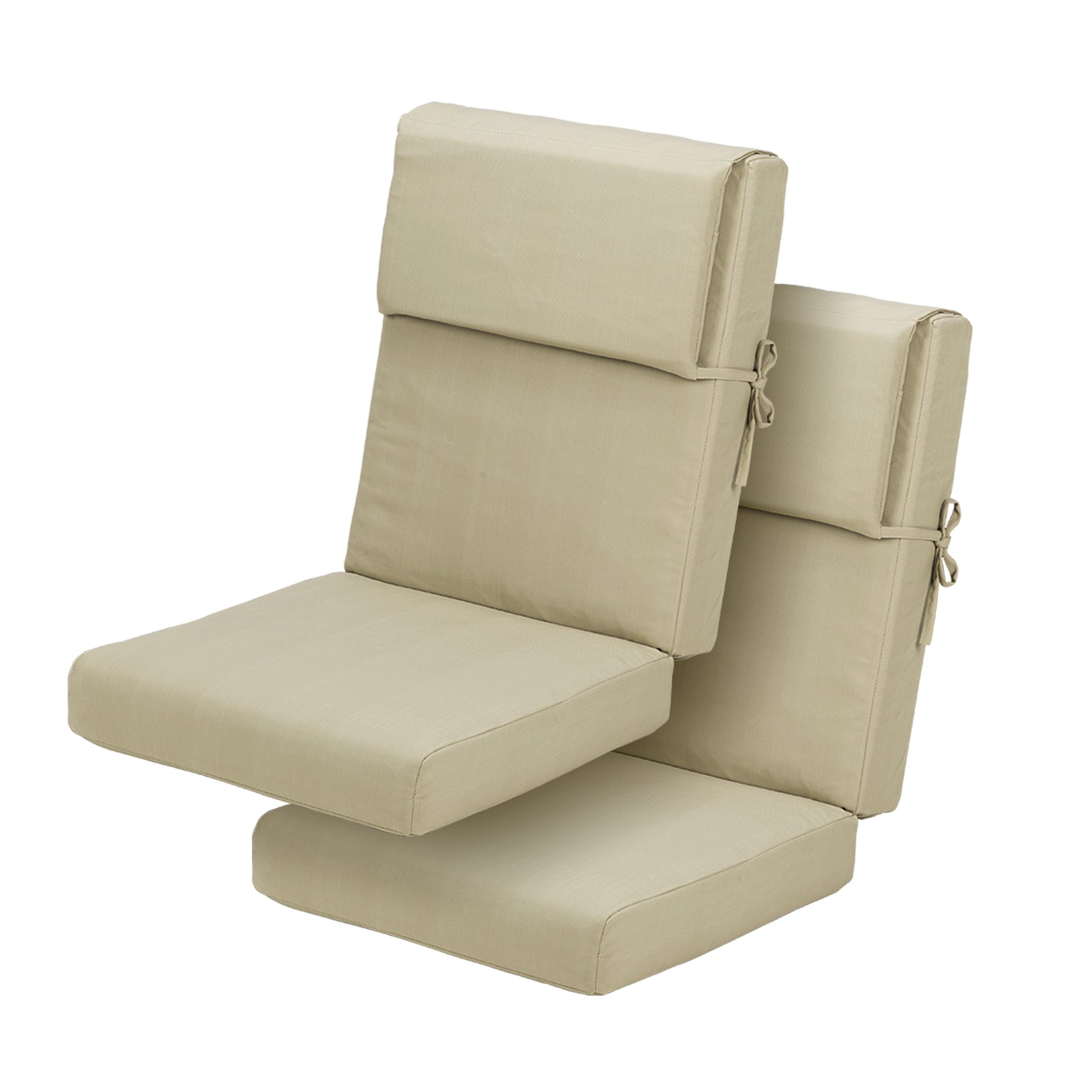
Fabric ties threaded through slats or tied around frame rails are the most secure method for slatted wood and metal furniture. Patio cushions with built-in corner ties are the simplest version. For cushions without ties, sewing UV-resistant nylon webbing straps to the underside corners is a durable DIY fix that outlasts any adhesive product. Use a heavy-duty outdoor thread rated for UV exposure and moisture resistance.

Double-Sided Outdoor Tape
Double-sided outdoor tape is a same-day fix that does not last a full season. Heat softens the adhesive, rain weakens it, and repeated removal leaves residue on furniture. Use tape labeled for outdoor or high-temperature use only, and plan to replace it with a more durable solution before peak summer use begins.
Weighted Inserts for Windy Conditions
Weighted inserts are sand-filled pouches placed inside the cushion cover to increase downward force. Most useful for back cushions and lightweight cushions on open decks, they work best combined with a friction solution since they resist wind displacement but do not prevent lateral sliding from sitting down or repositioning.
Which Solution Works Best for Your Furniture Type?
The combination of your furniture's frame material and surface texture determines which solution will keep your cushions from sliding most reliably. A method that works perfectly on powder-coated aluminum may be unnecessary or counterproductive on natural teak.
|
Furniture Type |
Surface Challenge |
Best Primary Solution |
Best Backup |
Avoid |
|---|---|---|---|---|
|
Aluminum / Metal |
Smooth powder-coat, very low grip |
Non-slip rubber pad |
Outdoor Velcro strips |
Double-sided tape (can damage coating) |
|
Wicker / Rattan |
Uneven weave surface with gaps |
Cushion clips on frame edges |
Ties through weave gaps |
Rubber pads (trap moisture in weave) |
|
Teak / Wood Slats |
Natural grip but gaps between slats |
Fabric ties threaded through slats |
Non-slip pad |
Tape (can damage wood finish) |
|
Sectional Sofa |
Cushions shift laterally between sections |
Cushion clips at each section join |
Velcro on each individual piece |
Rubber pads alone (no lateral hold) |
|
Dining Chair |
Seat and back cushions slide independently |
Built-in ties or sewn corner ties |
Velcro coins on each surface |
Heavy clips (visually bulky on dining chairs) |
|
Chaise Lounge |
Recline angle causes forward creep |
Velcro plus non-slip pad combined |
Weighted inserts |
Ties alone (insufficient on incline) |
Metal and aluminum furniture needs friction solutions first since their smooth surfaces provide the least natural grip. Wicker and rattan benefit from clips that anchor to the frame edge. Wood slat furniture is the most tie-friendly surface because the gaps between slats give ties a natural anchor point. Sectionals require lateral restraint at each section join rather than just vertical friction.
When to Upgrade Your Cushions Instead of Fixing Them
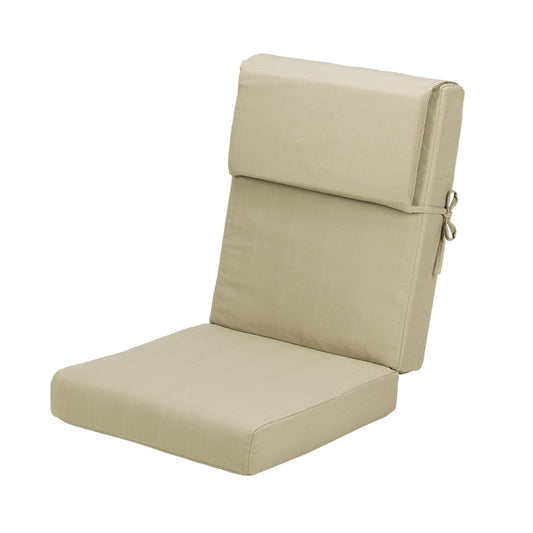
If you have tried multiple solutions without lasting success, the patio cushions themselves may be the wrong fit for the furniture. Cushions should fit the seat area with no more than half an inch of clearance on each side. Too small and they shift into open space regardless of what friction product you use. When shopping for replacements, look for these built-in features that solve the sliding problem from the start:
- Sewn corner ties made from UV-resistant webbing that wrap around frame bars or thread through slats.
- A non-slip rubberized base fabric on the underside that creates immediate friction on smooth frames without any additional products.
- Integrated clip fasteners on the side panels that grip the frame edge directly.
- Back cushions with a loop at the top that slips over the chair's top rail, which keeps them in place without any additional hardware or adhesive.
Choosing replacement cushions with one or more of these features eliminates the need to apply aftermarket solutions every season and reduces the risk of damage to furniture surfaces from adhesives or clips applied to the wrong material.

FAQ: Keeping Patio Cushions from Sliding
Do non-slip pads damage outdoor furniture surfaces?
No. Rubber non-slip pads rest on furniture without adhesive and do not scratch or stain most outdoor surfaces when used correctly. Choose open-weave rubber mesh rather than solid foam pads outdoors, since solid foam traps moisture under the cushion and accelerates mildew on both the cushion and frame.
How long does outdoor Velcro last before it needs replacing?
Outdoor-rated hook-and-loop tape typically holds well for one to three seasons depending on sun exposure and how often the cushions are removed. Check adhesion at the start of each season. Replace strips when the adhesive feels loose or the hook fibers are flattened and no longer grip the loop side securely.
What stops patio cushions from blowing away in the wind?
Velcro strips provide more wind resistance than friction pads because they create an active bond rather than relying on weight and friction. For areas with strong wind, combine Velcro with cushion clips or add weighted inserts inside the cushion cover. Storing cushions inside or in a deck box during storms is always the most reliable approach.
How do I keep back cushions from sliding down?
Back cushions slide differently than seat cushions because they carry less weight to anchor them. The most reliable fix is a loop at the top of the cushion that hooks over the chair's top rail, or Velcro at both the top and bottom edges of the back cushion. Ties at the top rail with fabric webbing are also effective on chairs with exposed top bars.
Can I use indoor non-slip pads outside?
Indoor non-slip pads break down quickly in outdoor conditions. UV exposure causes foam to crumble and adhesive to fail within weeks. Use only outdoor-rated open-weave rubber mesh pads outside. These resist UV degradation, allow water drainage, and hold up through a full outdoor season.
Is it better to buy cushions with built-in ties or add them myself?
- Built-in ties: most reliable, factory-tested for the cushion construction, UV-resistant webbing, best for new cushion purchases.
- DIY sewn ties: good option when replacing cushions is not in budget; use UV-resistant nylon webbing and a heavy-duty outdoor-rated thread.
Keep Your Patio Cushions Where They Belong
The right solution for keeping patio cushions from sliding is the one that matches your furniture type and how much permanence you need. Non-slip rubber pads fix most aluminum and metal furniture problems in minutes. Clips and ties handle wicker, rattan, and wood slat chairs more reliably. If you are solving the patio cushion sliding problem repeatedly season after season, upgrading to cushions with built-in securing features is worth the investment.
Ready for cushions built to stay in place? Browse Aoodor's outdoor cushion collection for options with integrated ties and weather-resistant construction.

