






Key Takeaways
Essential Contemporary Patio Principles:
- Clean lines and minimalist aesthetic define contemporary design with neutral palettes and strategic accent colors
- Mixed materials create visual depth—combine concrete, natural stone, and composite decking for sophisticated texture
- Multi-level layouts maximize functionality and add architectural interest to any backyard space
- Seamless indoor-outdoor flow extends your living area with open designs and consistent style elements
- Integrated features like built-in fire pits, outdoor kitchens, and smart lighting enhance both beauty and functionality
Looking to transform your backyard into a stylish retreat? Contemporary patio design offers the perfect blend of modern aesthetics and practical living. Whether you're starting from scratch or refreshing an existing space, this guide delivers 20+ proven ideas to create an outdoor area your family will love.
Want a modern outdoor space that feels both sophisticated and inviting? Many homeowners struggle to create patios that balance clean contemporary lines with warmth and comfort. The result? Outdoor areas that feel either too stark or cluttered with conflicting styles.
Contemporary patio design solves this challenge by blending minimalist aesthetics with functional outdoor living. This approach emphasizes clean lines, innovative materials, and seamless connections between indoor and outdoor spaces—creating backyards that are both beautiful and highly usable.
In this comprehensive guide, you'll discover what truly defines contemporary style, explore 20+ modern patio ideas for any space size, and learn how to integrate functionality with aesthetics. As landscape design experts with hands-on building experience, we'll share proven strategies for material selection, layout planning, and design execution that work in real-world applications.
Whether you're planning a complete backyard transformation or updating an existing patio, these contemporary patio ideas will help you create an outdoor space that reflects current design trends while serving your family's lifestyle needs.
What is Contemporary Patio Design?
Contemporary patio design embodies clean lines, minimalist aesthetics, and a strong focus on functionality. Unlike cluttered traditional spaces, contemporary patios embrace simplicity while maximizing usability through thoughtful material choices and intentional layouts.
Key characteristics include neutral color palettes accented with strategic pops of color, mixed materials that create visual interest and texture, and open flowing layouts that seamlessly connect indoor and outdoor living areas. Modern furniture with simple profiles, integrated features like built-in seating or fire pits, and uncluttered surfaces define the contemporary aesthetic.
Understanding the distinctions: Contemporary design reflects current trends and continuously evolves with new materials and technologies. Modern design refers specifically to mid-century aesthetics with fixed characteristics from the 1950s-60s. Minimalist design takes simplicity to extremes with "less is more" philosophy, while contemporary finds balance between clean lines and comfortable livability.
This style works exceptionally well for medium-sized American families because it creates organized, multi-functional outdoor spaces perfect for both relaxing and entertaining—without the maintenance headaches of overly ornate traditional designs.
Essential Elements of Contemporary Patio Design
Material Selection for Modern Aesthetics
Bold concrete forms the foundation of many contemporary patios, offering versatility through stamped patterns, polished finishes, or modern stained surfaces. Large-format pavers in 16"×16" or 24"×24" sizes create sleek contemporary looks with fewer grout lines. Varied natural stone—including bluestone, limestone, and slate—adds sophistication and natural texture.
Composite decking provides a sustainable, low-maintenance alternative that mimics wood's warmth without the upkeep. The modern approach combines 2-3 materials for depth: concrete paired with natural stone borders, decking integrated with gravel zones, or large pavers accented with river rock.
As landscape builders, we emphasize sustainable options like permeable pavers that manage stormwater while maintaining contemporary aesthetics. Recycled composite materials and locally-sourced stone reduce environmental impact without compromising style.
Color Palettes That Define Contemporary Style
Contemporary patios start with neutral foundations—grays, charcoals, blacks, whites, and earth tones—then layer in strategic accent colors through furniture, planters, and cushions. Deep blues, burnt oranges, and olive greens add personality without overwhelming the clean aesthetic.
Natural material colors like warm wood tones and stone variations provide organic interest. The key is matching your patio's base colors with your home's exterior for cohesive design flow.
|
Base Colors |
Accent Options |
Material Examples |
|
Gray, Charcoal |
Navy, Teal |
Concrete, Bluestone |
|
Beige, Tan |
Rust, Terracotta |
Limestone, Wood |
|
White, Cream |
Black, Deep Green |
Marble, Composite |
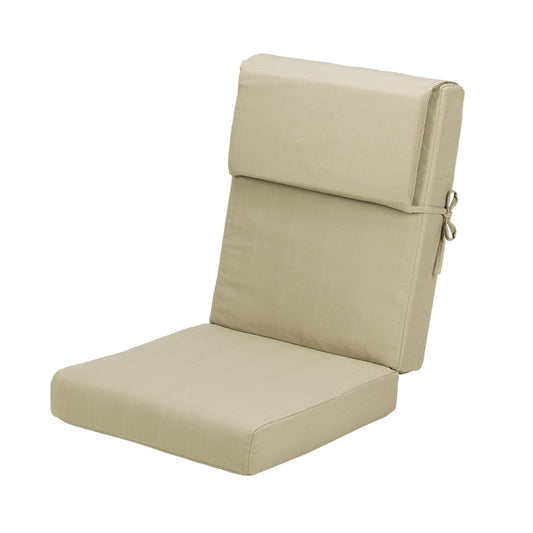
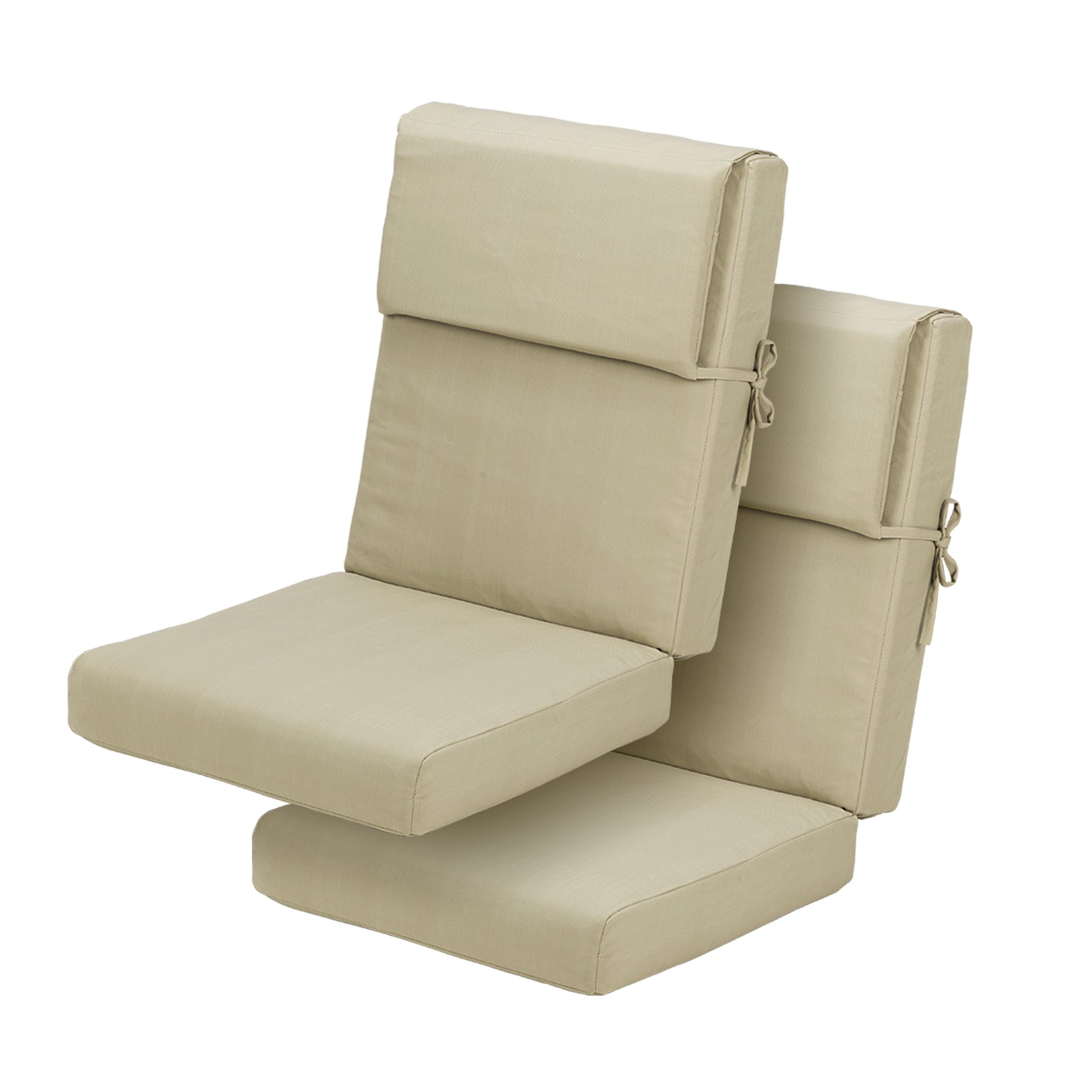
Complement your material choices with modern outdoor cushions in coordinating accent colors for comfortable, stylish seating.
Open Layouts and Seamless Indoor-Outdoor Flow
Remove barriers between indoor and outdoor spaces with large sliding doors and consistent flooring transitions. Align patio levels with interior floors when possible to create visual continuity and eliminate awkward steps.
Echo interior design elements outdoors through furniture style, color schemes, and material choices. Create multi-functional zones—dining areas, lounging spaces, entertainment sections—without physical walls that interrupt the open contemporary aesthetic.
20+ Contemporary Patio Ideas to Transform Your Outdoor Space
Explore these modern contemporary patio ideas organized by design focus. Each concept emphasizes the clean lines, innovative materials, and functional beauty that define contemporary outdoor living.
Multi-Level Patio Designs for Dynamic Spaces
Two-tier entertainment patio: Create separation between dining and lounging with an upper dining level and lower lounge area featuring built-in seating. This layout naturally defines spaces while maintaining visual connection.
Stepped garden integration: Multiple levels connect your patio to surrounding landscape with stone steps, perfect for sloped yards. Each tier can serve distinct purposes—entertaining, gardening, or quiet reflection.
Raised platform design: Elevated patios with deck-style construction create defined outdoor rooms that feel intentional and separate from yard space. Add modern railings for safety and style.
Sunken conversation pit: Recessed seating areas with central fire pits become intimate gathering spots that feel cozy yet contemporary.
Multi-level layouts maximize sloped yards, create distinct functional zones, and add architectural interest. Our landscape building experience shows these designs work best when each tier serves a clear purpose—dining, lounging, or entertaining—rather than arbitrary elevation changes.
Bold Concrete Contemporary Patio Designs
Polished concrete with geometric scoring: Clean lines cut into smooth surfaces create modern patterns without added materials. This cost-effective approach delivers high-end aesthetics.
Stamped concrete in large-format patterns: Modern slate or wood plank imitations provide texture while maintaining the clean contemporary look. Choose patterns with minimal ornate details.
Stained concrete in neutral tones: Charcoal, taupe, or warm gray finishes add subtle color variation while preserving concrete's inherent modern character.
Concrete and gravel combination: Poured slabs bordered by decorative stone create defined zones and textural contrast.
Exposed aggregate for texture: This modern alternative to smooth finishes reveals stones within the concrete for natural interest without busy patterns.
Concrete offers exceptional versatility and cost-effectiveness for contemporary aesthetics. Concrete patios pair exceptionally well with varied natural stone accents for added texture and visual interest.
Outdoor Kitchen Patios for Modern Entertaining
L-shaped kitchen layout: Integrated grilling stations, countertops, and storage create efficient work triangles perfect for entertaining. This configuration keeps the cook connected to guests.
Island-style cooking zone: Freestanding prep areas with bar seating allow interaction while food preparation continues—ideal for casual family gatherings.
Minimalist BBQ station: Built-in grills with sleek concrete surrounds provide essential cooking functionality without overwhelming patio space.
Full outdoor kitchen: Complete setups with appliances, sinks, refrigeration, and ample counter space rival indoor kitchens in functionality.
Outdoor kitchens extend your home's functionality, increase property value, and excel for entertaining. Position outdoor kitchens on one level of multi-tiered patios to separate cooking from dining zones, managing smoke and activity flow effectively.
Geometric Pattern Patio Ideas
Herringbone paver pattern: Classic zigzag layouts in large-format pavers add sophistication without visual clutter—perfect for contemporary aesthetics.
Basketweave design: Alternating rectangular pavers create visual interest through pattern rather than color variation.
Linear running bond: Offset patterns creating clean horizontal lines elongate spaces and emphasize contemporary simplicity.
Mixed-size geometric layout: Combining 12"×12", 16"×16", and 24"×24" pavers in planned patterns adds dimension while maintaining clean lines.
Diagonal placement: Setting pavers at 45° angles visually expands spaces—particularly effective in smaller patios.
Geometric patterns add sophistication without clutter, perfectly complementing contemporary aesthetics. The key to geometric patterns is consistency—maintain clean lines and precise spacing for professional results that enhance rather than distract.
Contemporary Patio Ideas with Integrated Features
Built-in fire pit with stone surround: Central gathering points using modern materials create focal areas for evening entertainment. Rectangle or linear designs feel more contemporary than circular options.
Integrated planter boxes: Raised beds using matching patio materials maintain design cohesion while adding greenery. Strategic placement softens hardscape edges without interrupting flow.
Water feature walls: Vertical fountains or cascading water elements add soothing sound and visual interest without consuming valuable floor space.
Smart lighting systems: LED strips, recessed lights, and app-controlled ambiance extend patio usability into evening hours with modern convenience.
Built-in seating with storage: Concrete benches with hidden compartments maximize functionality—perfect for cushion storage or outdoor entertainment supplies. Pair with comfortable patio furniture for additional flexible seating.
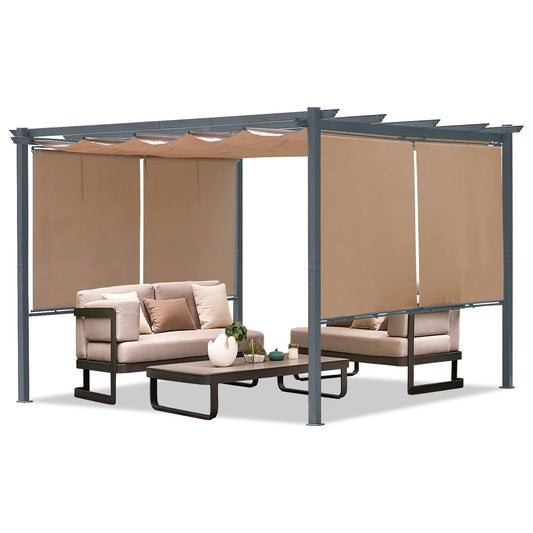
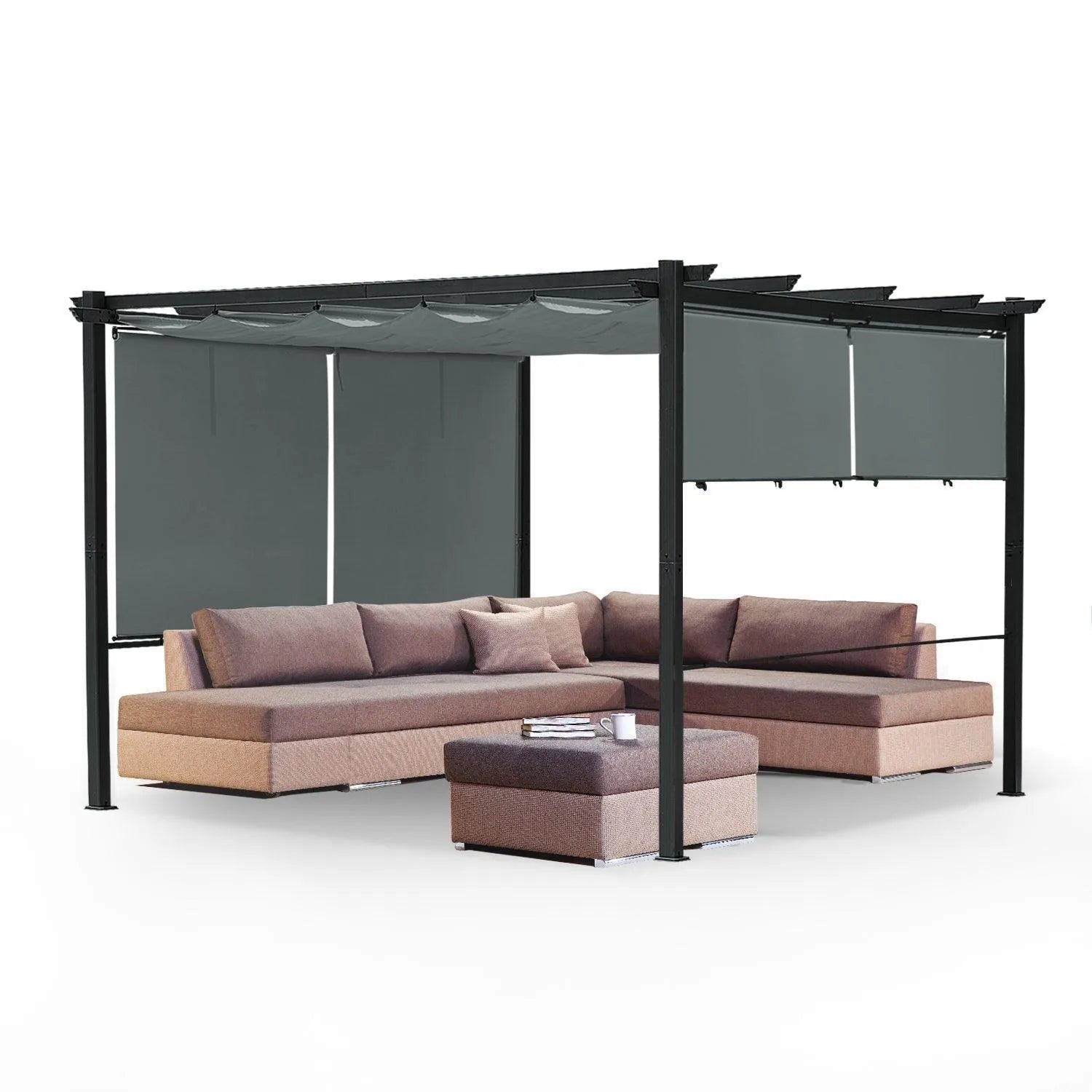
Pergola structures: Modern steel or wood frames provide partial shade while maintaining the open contemporary feel essential to the style.
When features are built-in using the same materials as your patio foundation, the result is a unified contemporary aesthetic that feels intentional and professionally designed.
Creating Texture with Varied Stone in Contemporary Patios
Texture prevents monotony in contemporary designs, adding visual depth and tactile interest without compromising clean aesthetics. Strategic stone mixing—rather than random variety—creates the most sophisticated contemporary patios.
Stone combination strategies include primary and border approaches (large bluestone pavers with limestone borders), alternating strips (bands of slate, granite, and limestone), focal point accents (different stone for fire pit areas), and mixed-size patterns combining ashlar layouts with uniform pavers.
Top stone pairings for contemporary style: Bluestone paired with buff sandstone creates elegant contrast. Dark gray granite with light limestone offers dramatic sophistication. Slate with river rock accents adds organic texture while maintaining modern lines.
Grout and spacing considerations: Wide joints (½"-1") filled with decorative aggregate create bold contemporary statements, while tight joints deliver sleek, seamless appearances. Choose based on your overall design vision and maintenance preferences.
As landscape builders, we've found that limiting your palette to 2-3 complementary stones maintains contemporary sophistication better than using multiple competing materials.
Balancing Hardscape and Softscape in Contemporary Design
The 70/30 principle works well for contemporary patios—roughly 70% hardscape (patio surfaces, paths) to 30% softscape (plants, grass). This ratio maintains the clean aesthetic while preventing sterile, lifeless outdoor spaces.
Contemporary plant selection focuses on architectural specimens and low-maintenance varieties. Ornamental grasses offer minimalist beauty with movement. Sculptural plants like agave, yucca, and architectural succulents serve as living art. Boxwood hedges provide clean geometric lines for borders. Native perennials in color-coordinated groupings add seasonal interest without chaos.
Strategic planting zones include border plantings that soften patio edges, vertical gardens on walls or fences that maximize space, and container gardens offering flexibility to refresh looks seasonally.
Contemporary doesn't mean plant-free—thoughtful softscape placement enhances the clean hardscape rather than competing with it. Choose low-maintenance plants that complement modern aesthetics without requiring constant pruning or deadheading.
Smart Technology for Modern Outdoor Living
Lighting automation through app-controlled LED systems and programmable ambiance settings extends patio usability while creating mood-appropriate atmospheres for different occasions.
Outdoor audio systems with weather-resistant speakers and Bluetooth integration provide entertainment without visible wires disrupting clean contemporary lines.
Climate control features including automated patio heaters and misting systems make outdoor spaces comfortable across seasons and weather conditions.
Smart irrigation systems maintain integrated planting zones efficiently, adjusting watering schedules based on weather data to conserve resources.
Security integration with motion-sensor lighting and camera systems provides peace of mind without compromising aesthetics through bulky visible equipment.
Smart technology extends patio usability, enhances convenience, and increases home value. These features align perfectly with contemporary design principles—they're functional, unobtrusive, and enhance the user experience without visual clutter.
Planning Your Contemporary Patio Project
Size considerations influence design complexity. Small patios (100-200 sq ft) work best with single levels and bold concrete or uniform pavers—simplicity prevents cramped feelings. Medium patios (200-400 sq ft) accommodate multi-level designs or outdoor kitchen integration. Large patios (400+ sq ft) support full multi-level designs with multiple distinct zones.
Budget framework: Material costs vary significantly—concrete runs $8-15/sq ft, natural stone $15-30/sq ft, and premium pavers $12-25/sq ft. Professional installation typically adds $10-20/sq ft depending on design complexity and regional labor rates.
Professional vs DIY considerations: Single-level concrete or large-format pavers with grid systems are DIY-friendly for experienced homeowners. However, multi-level layouts, intricate stone patterns, and integrated features require professional installation to ensure structural integrity and longevity.
Timeline expectations: Professional installations typically require 2-4 weeks depending on complexity, weather, and material availability. Plan accordingly for seasonal timing—spring and fall often offer ideal installation conditions.
Frequently Asked Questions About Contemporary Patios
Q: What's the difference between contemporary and modern patios?
Contemporary design reflects current trends and evolves continuously with new materials and technologies, while modern design refers specifically to mid-20th century aesthetics with fixed characteristics from the 1950s-60s. Contemporary patios incorporate today's innovations—smart technology, sustainable materials, and current color trends—whereas modern patios maintain vintage mid-century elements.
Q: How much does a contemporary patio cost?
Material costs range from $8-30/sq ft depending on selections—concrete being most affordable, natural stone the most premium. Professional installation adds $10-20/sq ft. A typical 300 sq ft contemporary patio costs $5,400-$15,000 total including materials and labor. Multi-level designs and integrated features increase costs but add significant functionality and value.
Q: What are the best materials for contemporary patio design?
Bold concrete (stamped, polished, or stained), large-format pavers (16"×16" or larger), varied natural stone like bluestone, limestone, and slate, and composite decking all work exceptionally well for contemporary aesthetics. The key is using 2-3 complementary materials together rather than single-material approaches, creating textural interest while maintaining clean lines.
Q: Can I build a contemporary patio myself?
Single-level designs with poured concrete or large-format pavers on compacted bases are DIY-friendly for experienced homeowners with proper tools. However, multi-level layouts, intricate geometric stone patterns, and integrated features like outdoor kitchens require professional installation to ensure structural integrity, proper drainage, and long-term durability. Consider your skill level honestly before committing to DIY approaches.
Q: How do I maintain a contemporary patio?
Regular sweeping removes debris that can stain surfaces. Annual sealing protects concrete and natural stone from moisture and weathering. Pressure washing every 2-3 years refreshes appearance and removes accumulated grime. Address weeds in joints promptly, and reseal grout lines as needed. Contemporary patios generally require less maintenance than traditional ornate designs due to simpler lines and fewer decorative elements that trap debris.
Conclusion: Bringing Your Contemporary Patio Vision to Life
Contemporary patio design transforms ordinary backyards into sophisticated outdoor retreats through clean lines, mixed materials, and seamless integration with your home. Multi-level layouts, bold concrete applications, and geometric patterns create modern visual impact. Varied stone textures prevent monotony while maintaining the sophistication central to contemporary aesthetics. Smart features and outdoor kitchens enhance functionality for today's lifestyle needs.
Your contemporary patio should reflect your family's lifestyle while embracing modern design principles that stand the test of time. Success comes from thoughtful planning—evaluating your space and functional needs, selecting materials that complement your home's architecture, and considering professional landscape builders for complex multi-level or integrated feature designs.
With quality materials and intentional design choices, your contemporary patio becomes a true extension of your living space—a modern outdoor retreat designed for both relaxation and entertaining that your family will enjoy for decades. Start your planning by assessing your backyard's unique characteristics, defining how you'll use the space, and exploring quality outdoor furniture and accessories that complement your contemporary vision.

