


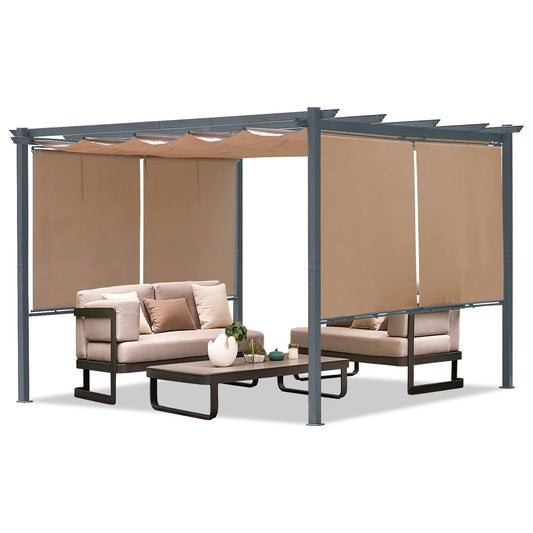
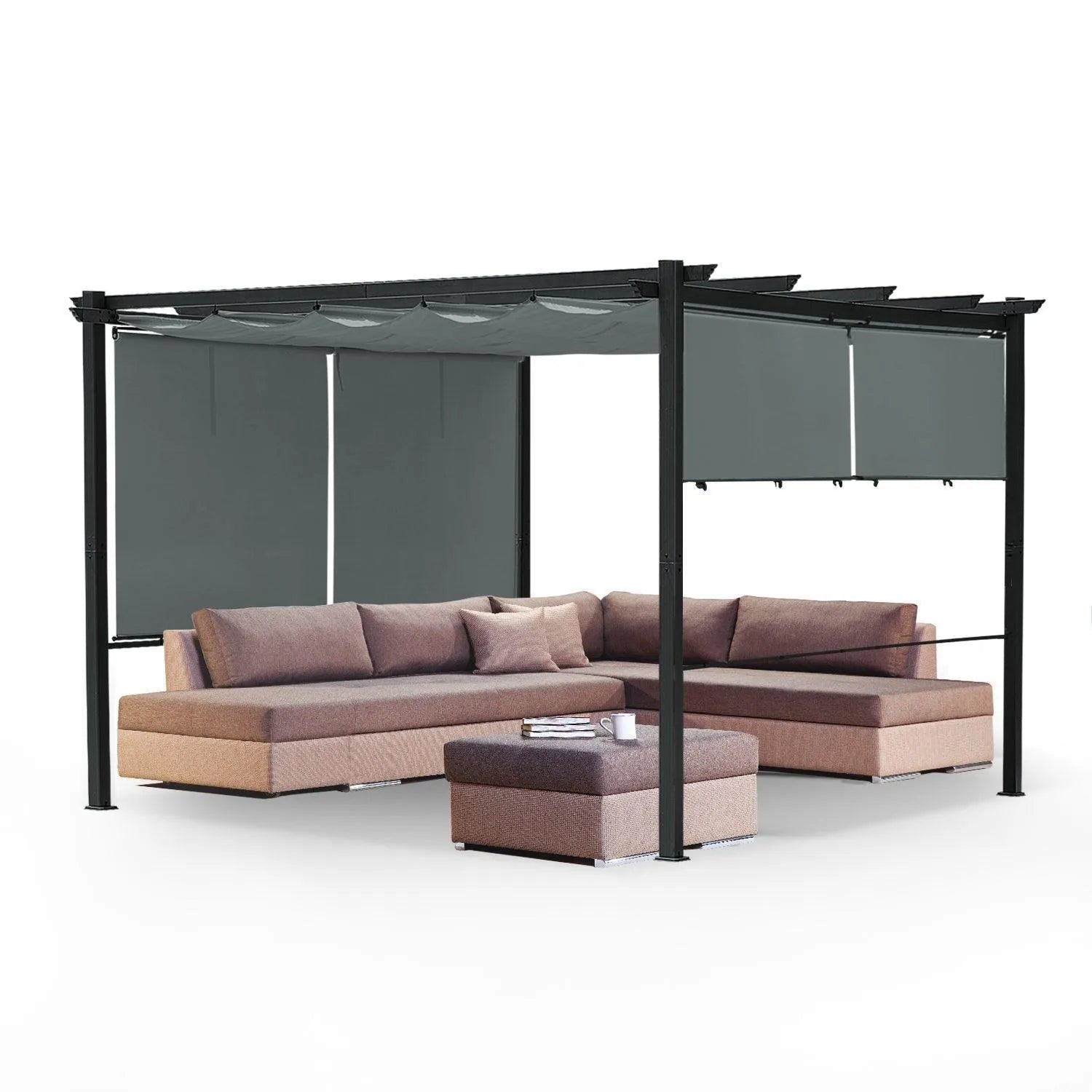




A pergola is an outdoor structure made of vertical posts supporting an open framework of beams and rafters. It provides partial shade, defines outdoor living spaces, and can be freestanding or attached to a home. Pergolas are used for patios, decks, and gardens, and come in wood, aluminum, and vinyl.
You spotted a beautiful structure in your neighbor's backyard and thought: what exactly is that? Chances are, it was a pergola. In this guide, we'll cover what a pergola is, how it differs from a gazebo or arbor, the four main types available today, and how to figure out which one actually fits your space and lifestyle.
What Is a Pergola?
A pergola is one of the most versatile outdoor structures you can add to a backyard. At its core, it consists of vertical posts or columns that support a grid of horizontal beams and open rafters overhead. Unlike a gazebo, it doesn't have walls or a solid roof, which gives it that characteristic open, airy feel that homeowners love. Understanding what this structure is and does helps explain why it has become a staple of American outdoor living over the past decade.
Where Does the Word "Pergola" Come From?
The word pergola traces back to the Late Latin term pergula, meaning a projecting eave or structure attached to a building. In ancient Rome, pergulas were shaded walkways in garden courtyards lined with climbing grapevines. During the Italian Renaissance, pergolas became elaborate architectural features in formal gardens, framed with roses and climbing plants trained overhead. Today, the pergola meaning has expanded well beyond its classical roots to include everything from simple wooden trellises to motorized aluminum systems with adjustable roofs.
How Is a Pergola Different from a Gazebo or Arbor?
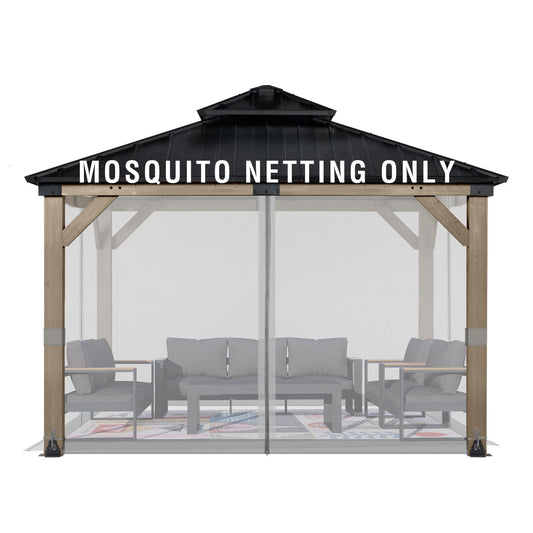
The three structures are often confused, but each has a distinct identity. A pergola features an open overhead framework, no walls, and can be large enough to define a full outdoor room. A gazebo is a smaller, fully enclosed structure with a solid roof, designed for intimate shelter. An arbor is even smaller, usually marking a garden entryway or supporting a single arch of climbing plants. Pergolas sit squarely in the middle: more open and spacious than a gazebo, more substantial and functional than an arbor.

What Is a Pergola Used For? The Main Purposes
Beyond looking beautiful, this outdoor structure serves several real, practical functions in your space. Whether you're asking what is the purpose of a pergola or what is the point of a pergola, the answer is the same: it transforms open, underused yard into a defined, livable area. Here are the four core uses that make these structures worth the investment.
Creating a Defined Outdoor Living Space
The primary purpose of a pergola is to carve out an "outdoor room" without building actual walls. The vertical posts and overhead beams create a sense of enclosure that makes a patio or deck feel intentional rather than just exposed open space. This psychological effect is well-documented: people are naturally drawn to spaces that offer shelter overhead with open sightlines on the sides, a balance that this type of structure achieves better than almost any other outdoor feature.
Providing Partial Shade Without Blocking Everything
A pergola offers dappled shade rather than complete cover. The open rafters filter sunlight throughout the day, keeping the space cooler than direct sun without creating the dark, enclosed feeling of a solid-roof structure. For homeowners who want to enjoy their backyard during summer afternoons without sitting in full sun, this level of shade is often exactly right. Adding a retractable canopy or adjustable louvers takes this shade control further, giving you full flexibility depending on the time of day.
Supporting Climbing Plants and Vines
One of the original uses of a pergola is as a support structure for climbing plants. Wisteria, jasmine, grapevines, climbing roses, and ivy are all natural partners for the open framework overhead. Over time, these plants fill in the overhead grid and create a living canopy that adds additional shade, fragrance, and visual interest. For gardeners, this feature alone makes the what is a pergola question easy to answer: it's a purpose-built trellis elevated to an architectural scale.
Increasing Home Value
A well-designed pergola consistently adds to a home's curb appeal and resale value. Real estate professionals note that functional outdoor living spaces rank among the most sought-after features for buyers. The structure signals that the backyard is designed, not just neglected, and that it offers usable space for entertaining, dining, and relaxing. Paired with quality outdoor furniture and lighting, it effectively extends a home's square footage into the outdoors.
Ready to see the options available? Browse our full pergola collection at Aoodor to find the right fit for your backyard.
Pergola Pros and Cons
No outdoor structure is perfect for every situation, and this one is no exception. On the plus side, it adds shade, defines space, supports plants, boosts home value, and works as either a DIY project or a professional installation. It's flexible in size, material, and placement. On the downside, a traditional open-top design won't keep you dry in rain and provides only partial shade. The good news is that modern versions, particularly those with canopies or louvered roofs, address both of these limitations directly.

The 4 Main Types of Pergolas
Not all outdoor shade structures are built the same way, and the type you choose will significantly impact how much shade you get, how your backyard looks, and how much maintenance you'll need over time. Here is a breakdown of the four most common types of pergolas available to American homeowners today.
|
Type |
Shade Level |
Best For |
Pros |
Cons |
|
Open-Top / Classic |
Low to Medium |
Vine gardens, traditional style |
Affordable, timeless look |
Little rain protection |
|
Pergola with Shade Canopy |
Medium to High |
Patios, decks, everyday use |
Retractable, easy to install |
Fabric needs periodic replacement |
|
Wall-Mounted Pergola |
Medium |
Small yards, attached to home |
Space-saving, seamless look |
Requires secure wall anchoring |
|
Louvered Aluminum Pergola |
Fully Adjustable |
Year-round outdoor use |
Best shade control, durable |
Higher upfront cost |
Each type serves a different need: classic open-top pergolas work best for gardens and vine growth, while louvered aluminum models offer year-round flexibility for serious outdoor entertainers.
Freestanding vs. Attached Pergolas
Beyond roof style, these structures also differ in how they connect to your property. A freestanding model stands independently anywhere in your yard, making it ideal for creating a destination area near a garden, pool, or fire pit. An attached, wall-mounted version extends directly from your home, creating a seamless transition between indoor and outdoor living. If your patio is small or sits directly against your house, a wall-mounted model is usually the more practical and proportional choice.
Aoodor carries both styles. Explore our shade canopy models and our louvered aluminum options to compare options side by side.

What Materials Are Pergolas Made Of?
Material choice affects not just the look of your structure but also how long it lasts, how much upkeep it needs, and how it handles your local climate. The three most common options each have distinct advantages worth understanding before you buy.
Wood Pergolas
Wood is the classic choice and the one most associated with traditional backyard aesthetics. Cedar and pressure-treated pine are the most popular options in the US. Cedar is naturally resistant to rot and insects and develops a beautiful silver-gray patina over time. The main drawback is maintenance: wood pergolas should be stained or sealed every two to three years to prevent weathering and cracking, especially in climates with heavy rain or freeze-thaw cycles.
Aluminum Pergolas
Aluminum has become the material of choice for modern louvered and canopy designs. It's lightweight, rust-proof, and requires almost no maintenance beyond occasional cleaning. Powder-coated aluminum holds color well and can be finished in a wide range of shades to match your home's exterior. For homeowners who want a long-lasting, weather-resistant structure without annual upkeep, aluminum is typically the best investment.
Vinyl Pergolas
Vinyl structures occupy the middle ground between wood and aluminum. They're fully resistant to rot, insects, and moisture, and never need painting or staining. The trade-off is a somewhat uniform, manufactured appearance that doesn't have the natural warmth of wood grain. For homeowners who want low maintenance at a lower price point than aluminum, vinyl is a reliable and practical option.
Not sure what height works best with your chosen material and yard layout? Our guide How Tall Should a Pergola Be? walks through the standard sizing ranges for American homes.
Pergola vs. Gazebo vs. Arbor vs. Pavilion: Quick Comparison
If you're still unsure which outdoor structure is right for your yard, this side-by-side comparison makes the differences clear. Each structure fills a different role, and the right choice depends entirely on your space, budget, and how you plan to use it.
|
Structure |
Roof Type |
Typical Size |
Best Use |
|
Pergola |
Open or partial (beams/rafters) |
Medium to large |
Outdoor rooms, patios, decks |
|
Gazebo |
Solid, fully enclosed |
Small to medium |
Intimate shelter, seating areas |
|
Arbor |
Open lattice arch |
Small |
Garden entries, vine arches |
|
Pavilion |
Solid, open sides |
Large |
Events, pool areas, large gatherings |
Pergolas strike the balance between open and sheltered, making them the most flexible choice for everyday outdoor living. Gazebos offer more weather protection; pavilions scale up for larger events; arbors are purely decorative garden accents.
For a deeper look at all three, our article Pavilion vs. Gazebo vs. Pergola: Your Ultimate Guide covers each structure in detail with side-by-side guidance.

Which Pergola Is Right for Your Backyard?
With so many options available, choosing the right pergola comes down to three straightforward questions. Work through each one and you'll narrow the field considerably before you ever browse a product page.
Consider Your Space and Placement
Start by measuring your available area and deciding where the structure will sit. A patio directly against your house is a natural fit for a wall-mounted model, while an open lawn or garden area suits a freestanding design. A standard backyard pergola typically runs between 10x10 and 12x16 feet, though smaller 8x10 models work well on compact decks. The goal is for the structure to feel proportional to the surrounding yard, neither too cramped nor floating in empty space.
Where to Place a Pergola in Your Backyard
Placement makes as much difference as size. Positioning one over a patio or deck creates an immediate outdoor dining or lounge zone. Placing it beside a pool adds a sophisticated shade retreat without blocking the open water view. In a garden, a freestanding pergola can serve as a focal point with climbing plants as its backdrop. On a side yard or narrow space, a wall-mounted model anchored to the house keeps the footprint small while still defining the area. Think about sun orientation too: a south or west-facing placement will get the most afternoon shade use.
For layout ideas specific to compact spaces, our blog Maximize Small Patios: Smart Furniture Layout Ideas has practical placement strategies for tighter yards.
Think About How Much Shade You Actually Need
If you live in the Southwest or Southeast and plan to use your outdoor space daily through summer, a louvered aluminum pergola or a canopy model will give you the shade control you need. If you're primarily after aesthetics and seasonal use, a classic open-top wood design is perfectly functional and significantly more affordable. Be honest about your climate: wood in a high-humidity region will demand more maintenance than the same structure in a dry western state.
Set a Realistic Budget
Pricing in the US typically ranges from around $300 to $500 for a basic kit-style canopy model, $800 to $2,000 for a mid-range aluminum or quality wood pergola, and $3,000 or more for a premium louvered system. Wall-mounted models often fall in the mid-range since they use fewer posts and less material than freestanding versions. Factor in installation if you're not going the DIY route, and remember that a more durable material upfront usually means lower maintenance costs over five to ten years.

FAQ: Common Questions About Pergolas
These are the questions homeowners ask most often when researching outdoor shade structures for the first time.
What is the point of a pergola if it doesn't fully block rain?
Most pergolas are designed for shade and aesthetic definition, not full weather protection. If rain coverage matters to you, look at models with retractable canopies or louvered roofs that can be closed when needed. These options give you the flexibility to block rain when it arrives while still keeping the open-air feel the rest of the time.
What's the difference between a pergola and a gazebo?
A pergola has an open or partially open roof and no walls, creating a bright, airy structure. A gazebo has a solid roof and is usually fully enclosed, offering more protection from rain and sun but a more contained feeling. The former is generally larger and more customizable; the latter is better suited to standalone shelter in a garden setting.
Is a pergola worth it for a small backyard?
Yes, in many cases it actually works better in a small yard than in a large one. A wall-mounted pergola or a compact 8x10 freestanding model can transform a tiny patio into a defined outdoor room without taking over the entire space. The vertical height adds visual interest without consuming ground footprint.
Can a pergola be attached to a house?
Yes. Wall-mounted or attached structures are designed specifically to extend from an existing building. They use a ledger board anchored to the house wall on one side, with posts supporting the other. This style works especially well over a backdoor patio or sliding door exit, creating a natural covered transition from indoors to outdoors.
Do pergolas add value to your home?
A well-built structure of this kind consistently adds perceived value by expanding usable outdoor living space, which buyers prioritize. The return depends on the quality of materials and how well it integrates with the existing landscape. A professionally installed aluminum or cedar pergola in good condition typically recoups a strong portion of its cost at resale.
What is a louvered pergola?
A louvered pergola uses motorized or manually adjustable slats in the roof panel that can rotate open or closed. Open positions let in sunlight and airflow; closed positions block rain and provide full shade. These aluminum models are the most popular choice for homeowners who want year-round use of their outdoor space in variable climates.
What is a pergola used for in modern backyards?
Modern pergolas serve as outdoor kitchens, dining areas, poolside lounges, hot tub covers, and garden focal points. Many homeowners outfit them with string lights, outdoor curtains, ceiling fans, and heaters to create a fully furnished outdoor room usable across multiple seasons. The pergola definition has grown far beyond its classical roots into the centerpiece of contemporary outdoor living design.
Ready to Add a Pergola to Your Backyard?
A pergola is one of the most impactful upgrades you can make to your outdoor space. Whether you choose a classic open-top wood model, a canopy version for everyday shade, or a louvered aluminum system for year-round flexibility, the right structure turns an ordinary backyard into a space you actually use. Aoodor carries a full range of styles, sizes, and materials to fit every yard and budget.
Shop our full pergola collection or explore wall-mounted options if you're working with a smaller space.

