






To clean patio cushions, vacuum off loose debris, mix 1 tablespoon of dish soap per gallon of warm water, scrub with a soft-bristle brush, rinse thoroughly with a garden hose, and air-dry standing upright in the sun. For stubborn stains, use a targeted solution matched to the fabric type and stain source.
Outdoor patio cushions face pollen, bird droppings, sunscreen, food spills, and rain every season. Knowing how to clean patio cushions correctly protects your investment and keeps your outdoor space looking sharp with minimal effort. This guide covers routine cleaning, a comparison of the most effective cleaning solutions, targeted stain removal, and a fabric-by-fabric reference.

What to Know Before You Start Cleaning
The care label is always the authoritative starting point before reaching for any cleaning product. Most outdoor performance fabrics like Sunbrella allow machine washing of removable covers on a cold delicate cycle, but the cushion body itself should never go in the machine. If there is no label or it has worn off, treat the cushion as hand-wash only and spot-test any solution in a hidden area before applying it broadly.
For routine cleaning, gather a soft-bristle brush or sponge, a large bucket, mild dish soap, a garden hose with spray nozzle, and rubber gloves. For tougher jobs, add white vinegar, borax, hydrogen peroxide, or diluted bleach depending on your fabric type.
How to Clean Patio Cushions: Routine Cleaning Step by Step
Step 1: Remove and Vacuum
Take cushions off the furniture and place them on a paved surface or tarp. Vacuum both sides with an upholstery attachment, paying extra attention to seams, piping, and button areas where debris collects. This dry prep step is not optional: scrubbing loose debris into wet fabric drives it deeper and makes cleaning harder.
Step 2: Mix Your Cleaning Solution
For routine cleaning, mix 1 tablespoon of mild dish soap per gallon of warm water. For a slightly stronger general cleaner, add one quarter cup of white vinegar to the same solution. Never use concentrated dish soap directly on the fabric.
Step 3: Scrub and Soak
Work the solution into the fabric using straight strokes along the weave rather than circular motions. Circular scrubbing can create water rings on performance fabrics like Sunbrella. Clean the entire surface from seam to seam rather than spot-cleaning only visibly dirty areas. Let the solution soak for 10 to 15 minutes before rinsing.
Step 4: Rinse Thoroughly
Rinse each cushion with a garden hose until the runoff is completely clear. Soap residue left in the fabric attracts dirt and creates conditions for faster re-soiling and, in humid climates, mold growth. Rinse the underside with equal thoroughness.
Step 5: Dry Correctly
Stand the patio cushions on their edges rather than laying them flat. This allows air to circulate on both sides simultaneously and lets water drain from the core. Most outdoor cushions dry fully in 3 to 5 hours on a warm, sunny day. Do not put cushions back on furniture or into storage until they are completely dry all the way through, including the foam core.

Cleaning Solutions Compared: Which One to Use
|
Solution |
Best For |
Mix Ratio |
Safe On |
Avoid / Notes |
|---|---|---|---|---|
|
Dish Soap + Water |
Routine dirt, pollen, food residue |
1 tbsp per gallon warm water |
All outdoor fabrics |
Rinse fully; residue attracts more dirt |
|
White Vinegar |
Light mildew, odors, mineral deposits |
1 cup per gallon water |
All outdoor fabrics |
Never mix with bleach — creates toxic gas |
|
Dish Soap + Borax |
Moderate mildew, ground-in grime |
1 tsp soap + 1/4 cup borax per gallon |
All outdoor fabrics |
Keep away from grass and plants |
|
Diluted Bleach |
Severe mildew on bleach-safe fabrics only |
1 cup per gallon water |
Sunbrella, Olefin |
Never on polyester or dark colors; rinse extremely thoroughly |
|
Hydrogen Peroxide |
Light mildew, colored stains |
1 part H2O2 to 4 parts water |
Most fabrics (spot-test first) |
Can cause fading on dark colors |
Dish soap and water handle the vast majority of routine outdoor cushion cleaning. Reserve borax, bleach, and hydrogen peroxide for specific problems. Always spot-test before applying any solution to the full cushion surface.
Safety warning: Never mix bleach and vinegar. Mixing the two produces chlorine gas, a toxic substance. If you have used vinegar on a cushion and want to follow up with bleach, rinse the cushion thoroughly with water first and allow it to air out before applying any bleach solution.
Cleaning Guide by Fabric Type
|
Fabric |
Routine Clean |
Stubborn Stains |
Bleach Safe? |
Machine Wash? |
Key Tip |
|---|---|---|---|---|---|
|
Sunbrella (solution-dyed acrylic) |
1/4 cup mild soap per gallon; soft brush seam to seam |
Bleach + mild soap solution; soak 15 min |
Yes (diluted only) |
Yes — covers only, cold, delicate |
Always rinse fully; bleach residue degrades fabric |
|
Olefin |
Mild soap + water; soft brush |
1:10 bleach solution; wait 10 min then rinse |
Yes (diluted only) |
Usually yes — check tag |
Highly stain-resistant; routine clean often sufficient |
|
Polyester |
Mild soap + water; sponge or soft brush |
Vinegar or OxiClean (chlorine-free) |
No — fades color |
Sometimes — check tag |
Spot-test all solutions; fades faster than acrylic |
Sunbrella and Olefin are the most forgiving outdoor fabrics to clean because their color is baked into the fiber rather than applied on top. Polyester requires the most caution and should never be treated with chlorine bleach regardless of dilution level.
How to Remove Specific Stains from Patio Cushions
Food and Drink Stains
Blot up as much liquid as possible immediately. Mix 1 teaspoon of dish soap with 1 cup of warm water and apply with a sponge, working from the outer edge toward the center. Let sit for 5 minutes, then rinse. For colored drink stains like red wine or coffee that have had time to set, an enzyme-based stain remover applied before the soap solution improves results significantly.
Oil and Sunscreen Stains
Apply a generous layer of cornstarch or baking soda directly to the stain and let sit for 10 to 15 minutes to draw oil from the fibers. Scrape off the powder, then treat with dish soap and warm water. Rinse thoroughly. Never rub an oily stain immediately with a wet cloth — it spreads the oil and embeds it further.
Bird Droppings
Allow droppings to dry completely before removal. Trying to clean wet droppings smears them across a larger area. Once dry, scrape off the bulk with a dull plastic scraper, then clean the remaining stain with mild soap and water.
Tree Sap
Apply a small amount of rubbing alcohol to a clean cloth and dab onto the sap to break down the adhesive bond, then gently lift the sap off the surface. Follow with an enzyme-based stain remover for 15 minutes, then rinse. Never apply heat to sap stains — it causes permanent bonding with the fibers.

How to Dry Patio Cushions Correctly
Incorrect drying is the single most common cause of mold and musty odors returning within days of cleaning. Most homeowners focus on the cleaning process and rush through drying.
- Stand cushions on their edges, not flat. Laying a cushion flat traps moisture on the underside and prevents drainage from the foam core. Standing upright reduces drying time from up to 8 hours to 3 to 5 hours on a warm sunny day.
- Drying time: standard outdoor seat cushions take 3 to 5 hours in direct sun. Thicker deep-seat cushions take 6 to 8 hours. On overcast or humid days, double these estimates.
- Test for dryness: press firmly on the center of the cushion with your palm. Any coolness, dampness, or resistance means the core still holds moisture.
- Never use a dryer. Heat causes the foam core to compress and deform permanently, and can cause synthetic fabric coatings to break down. The only safe drying method is natural air drying in a sunny location.
After Cleaning: Re-Treatment and Storage
Apply a Fabric Protector Spray
Cleaning removes dirt but also strips factory-applied protective coatings. Once the cushions are completely dry, apply a fabric protector spray rated for outdoor textiles such as 303 Fabric Guard or Scotchgard Outdoor. Spray evenly across the entire fabric surface, allow to cure for at least 24 hours, and reapply once per season or after every thorough cleaning.
Store Correctly to Prevent Future Problems
End-of-season storage is where most cushion mold problems originate. Always clean cushions thoroughly before storing, not after. Ensure they are completely dry. Store in a breathable container or storage bag rather than an airtight plastic bin — sealed plastic prevents remaining moisture vapor from escaping and creates mold conditions. A vented deck box or breathable fabric bag in a cool, dry location is the ideal storage setup.

FAQ: Cleaning Patio Cushions
How often should you clean patio cushions?
Clean at least twice a year: once at the start of patio season and once before storing for winter. In high-pollen areas or after outdoor events, a quick soap-and-water clean monthly keeps buildup from setting in.
Is vinegar or bleach better for stubborn stains?
- Vinegar: safer for all fabric types, effective on light-to-moderate staining and odors, always spot-test.
- Diluted bleach: more powerful for severe cases, but only safe on Sunbrella and Olefin — never on polyester or dark colors.
Why do my patio cushions keep getting dirty so fast after cleaning?
The most common cause is soap residue left in the fabric from insufficient rinsing. Residue attracts dirt like a magnet and causes cushions to re-soil within days. Rinse until the runoff water is completely clear, and apply a fabric protector spray after every thorough clean.
How do you get the musty smell out of patio cushions?
Sprinkle baking soda liberally across the cushion surface, let it sit for 1 to 2 hours to absorb odors, then vacuum off. Follow with a white vinegar and water solution (1 cup per gallon), apply with a sponge, let sit for 15 minutes, rinse, and dry completely in the sun.
When should you replace patio cushions instead of cleaning them?
Replace when the foam core has permanently compressed and no longer springs back, when fabric is visibly fraying at seams, when color has faded beyond recovery, or when mold has penetrated into the foam core and cannot be eliminated with surface cleaning.
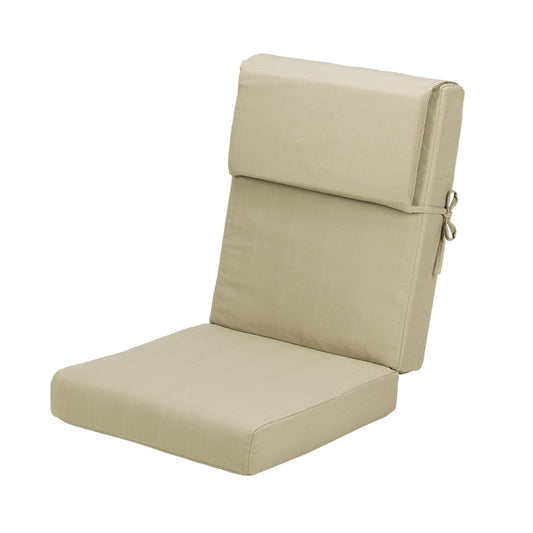
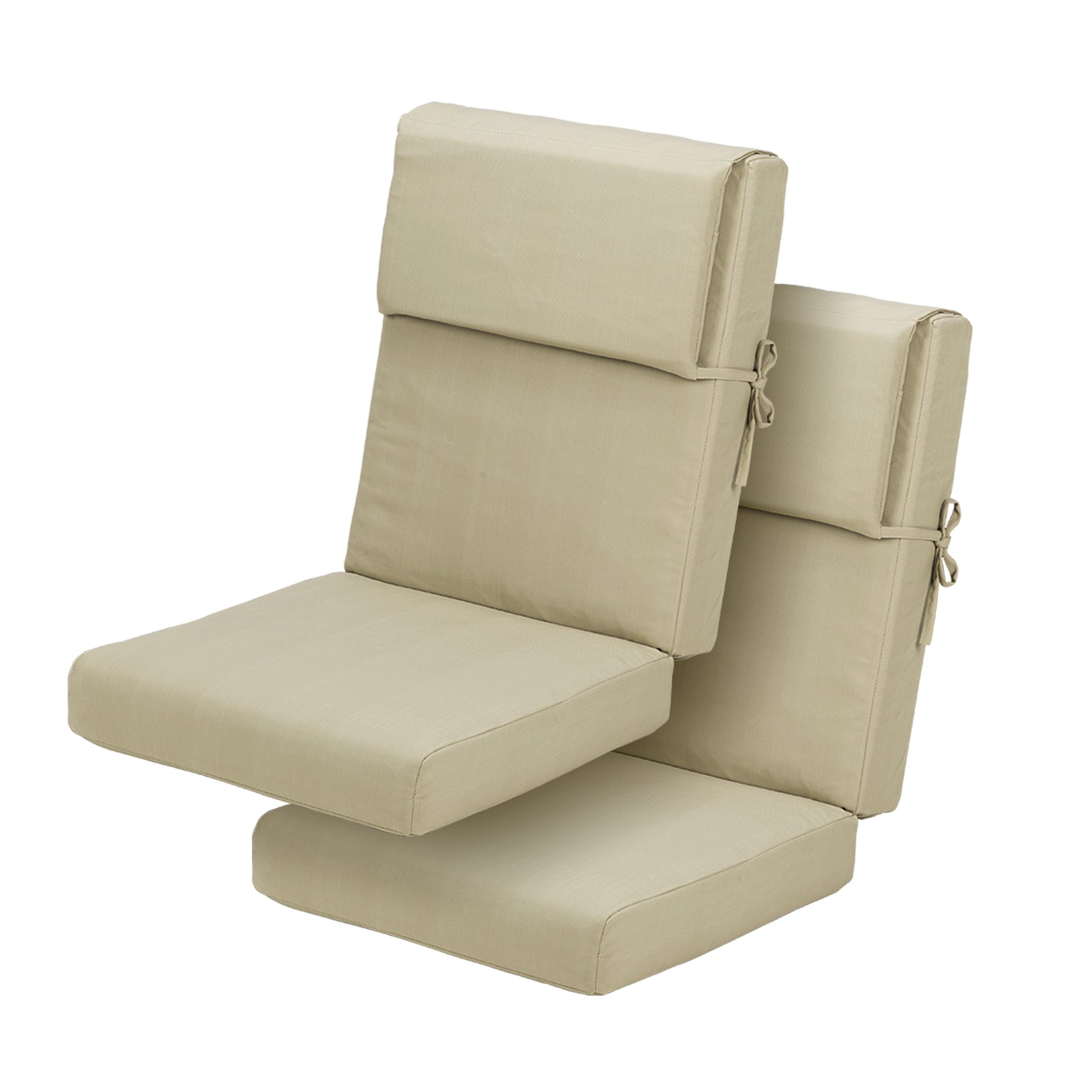
Ready for a replacement? Measure your seat and back cushions separately, including width, depth, and thickness. Explore Aoodor’s outdoor cushion collection, then check each option’s dimensions, materials, and care instructions before choosing.
Find Your Replacement Cushions
Keep Your Cushions Looking New All Season
Use the right solution for your fabric type, rinse thoroughly every time, dry completely before storage, and re-treat with a fabric protector after each deep clean. Apply these habits consistently and your cushions will last several seasons longer than those that get neglected until the damage is visible.
If cleaning no longer gives you the comfort or appearance you want, explore Aoodor’s outdoor cushion collection to compare sizes and styles for your patio seating.

