


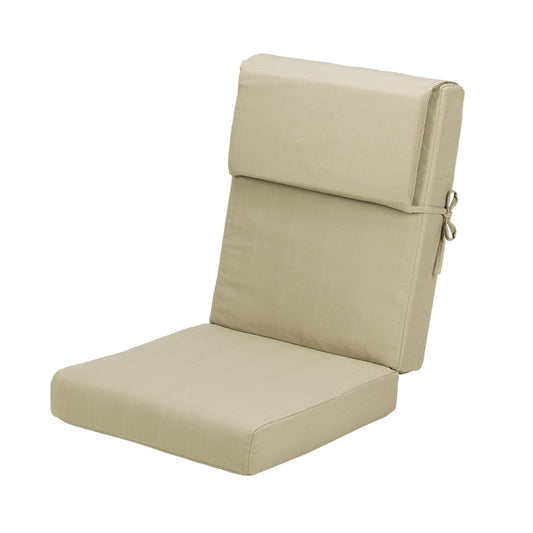
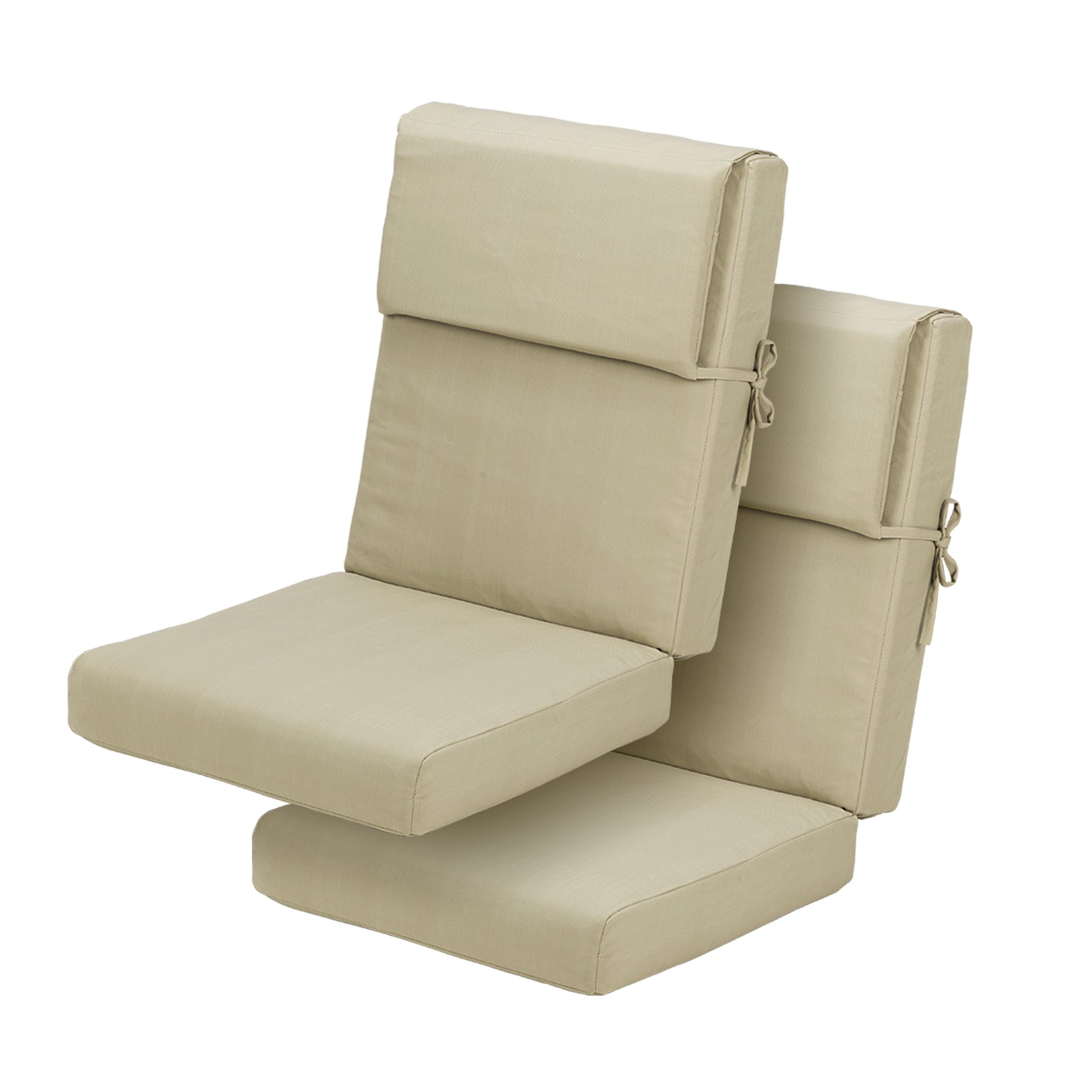




To store outdoor cushions properly, clean and dry them completely, apply a fabric protector spray, place them in a breathable or airtight container depending on your climate's humidity level, and keep them off the ground in a cool, dry location such as a garage, basement, or deck box. Always store cushions before the first frost for winter protection.
Knowing how to store outdoor cushions correctly is the single most effective thing you can do to extend their lifespan. The difference between cushions that look fresh after five seasons and ones that come out of storage moldy, faded, or misshapen almost always comes down to how they were stored, not how expensive they were. This guide covers when to bring them in, a pre-storage checklist, how to choose the right container, the best storage locations, and climate-specific advice for every region of the US.

When to Store Your Outdoor Cushions
Timing your storage correctly protects outdoor cushions from the two conditions that cause the most damage: prolonged moisture exposure and freeze-thaw cycles. Most homeowners wait too long, reacting after weather damage has already begun rather than getting ahead of it.
End-of-Season Storage: Before the First Frost
For homeowners in most of the continental US, the window to store outdoor cushions for winter falls between late September and mid-November depending on your region. The benchmark is simple: store them before the first hard frost in your area. Frost is the signal that overnight temperatures will begin dropping into ranges that can saturate foam cores with cold moisture and, in freeze-thaw climates, cause that moisture to expand and degrade the cushion fill over winter. In the Deep South and coastal California, where frost is rare, end-of-season storage is still worthwhile to protect fabrics from persistent winter rain and lower UV exposure.
Mid-Season Temporary Storage: Rain, Storms, and Extended Absence
Storing outdoor cushions is not only a winter task. Any time you expect extended rain of two or more days, a significant storm, or you will be away from home for more than a week during the outdoor season, bringing cushions inside or sliding them into a deck box protects them from moisture saturation and wind. Even performance fabrics like Sunbrella are not immune to foam core saturation in prolonged rain.

Pre-Storage Checklist: 5 Steps Before You Pack Them Away
The leading cause of damaged cushions found in spring is not cold temperatures or poor containers but organic matter left in the fabric before storage. Dirt, pollen, food residue, and moisture create the exact conditions mold needs to thrive during months of sealed storage.
|
Step |
Action |
Why It Matters |
|---|---|---|
|
1 |
Clean thoroughly: brush off debris; wash with mild soap and water; rinse until runoff is clear |
Organic matter feeds mold during closed storage |
|
2 |
Dry completely: stand on edge in sun; press center to confirm foam core is dry |
Damp foam develops mold within 48 hours in sealed storage |
|
3 |
Apply fabric protector: spray 303 Fabric Guard or equivalent; allow 24 hrs to cure |
Creates moisture barrier before long-term storage |
|
4 |
Fold and stack neatly: stack seat cushions flat; roll or stand back cushions upright |
Saves container space and prevents permanent creasing |
|
5 |
Label if needed: tag or photograph which cushions belong to which furniture piece |
Saves reassembly time when bringing them out in spring |
Do not skip steps 1 and 2 under any circumstances. Cushions that go into storage dirty or damp will have mold or mildew by the time you open the container in spring, regardless of how well sealed the storage is.
Why Cushions Must Be 100% Dry Before Storage
The surface of an outdoor cushion can feel dry to the touch while the foam core inside is still holding significant moisture. Standard outdoor seat cushions with 3 to 5 inch foam cores can take six to eight hours to dry fully after washing on an overcast day. The test is pressing firmly on the center of the cushion with your palm: if you feel any coolness, springback resistance, or dampness at all, the core is not ready. Even a small amount of residual moisture in a sealed container over four months of winter storage is enough to produce visible mold by spring.
Best Storage Containers for Outdoor Cushions
The container you choose determines how well your outdoor cushions are protected from moisture, pests, UV exposure, and physical damage during storage. Not all containers are equal, and the best choice depends on where you live, how much space you have, and whether you are storing temporarily or for a full winter.
|
Container Type |
Best For |
Breathable? |
Pest Protection |
Cost Range |
Key Note |
|---|---|---|---|---|---|
|
Outdoor Deck Box |
Year-round patio storage |
Partial |
Excellent |
$80 to $250 |
Doubles as seating; patio stays accessible all season |
|
Plastic Bin with Lid |
Garage or basement, dry climates |
No |
Good |
$15 to $40 |
Only use airtight in dry climates; humid climates need breathable option |
|
Breathable Fabric Storage Bag |
Humid climates, long-term indoor storage |
Yes |
Moderate |
$20 to $50 |
Best choice for South and coastal regions |
|
Heavy-Duty Garbage Bags |
Short-term temporary storage only |
No |
Poor |
Under $5 |
Not suitable for winter-long storage |
|
Patio Furniture Cover |
Cushions that cannot be removed from frames |
Partial |
Moderate |
$20 to $80 |
Outdoor solution only; not adequate for indoor winter storage |
|
Vacuum Compression Bag |
Space-saving in dry climates only |
No |
Good |
$15 to $35 |
Risk: foam may not fully recover after prolonged compression |
For most US homeowners, an outdoor deck box or a plastic bin with a lid in the garage covers the majority of storage needs. Humid-climate households should always choose a breathable fabric bag over an airtight plastic container to prevent moisture from being trapped inside with the cushion.

Airtight vs. Breathable Containers: Which Is Right for Your Climate?
The choice comes down to one question: where do you live? In dry climates like Arizona, Colorado, New Mexico, and California's inland valleys, an airtight container is a sensible choice because it locks out dust and pests without risk of trapping ambient humidity. In humid climates like Florida, Georgia, the Gulf Coast, and the Mid-Atlantic, airtight containers create a problem: the slight residual moisture vapor that even fully dried cushions emit has nowhere to go, concentrates against the fabric, and creates the conditions for mold to grow even when the cushion felt dry before sealing. For these regions, a breathable fabric storage bag in a cool, dry indoor space gives moisture vapor a way to dissipate while still protecting against dust and pests.
Where to Store Outdoor Cushions
The best place for storing patio cushions is any indoor location that stays cool, dry, and has reasonably consistent temperature. Temperature swings cause condensation on container walls, which transfers moisture to fabric over time.
Indoors: Garage, Basement, or Closet
A finished basement is the most stable indoor storage environment because it maintains consistent temperature and low humidity year-round in most climates. An unfinished basement works if a dehumidifier is running during winter. A temperature-controlled garage is the second best option, provided the door seal is tight and the temperature does not drop below freezing for extended periods. Closets work well for smaller cushion sets when space allows, keeping cushions completely out of any temperature or humidity variation.
Outdoors: Deck Box or Covered Patio
An outdoor deck box is the most convenient storage solution for homeowners who want same-day access without hauling cushions inside after every use. Quality deck boxes made from UV-resistant resin or powder-coated steel with weatherproof seals provide adequate protection for outdoor cushions in most US climates during winter. They are not equivalent to indoor storage in extreme freeze-thaw climates, where prolonged exposure to freezing temperatures can affect foam cores even inside a deck box. In mild-winter climates, a quality outdoor deck box is a practical year-round solution.
Before choosing a deck box, measure the space your cushions need when stacked without compressing the filling. Compare those measurements with the box’s usable internal dimensions, not just its capacity in gallons. Aoodor’s 85-gallon deck box lists product dimensions of 45.7 × 23.6 × 23.6 inches; these are not identified as internal dimensions. Confirm the usable interior space before ordering, and review the product’s storage and weather-resistance guidance for your intended location.
Keep Cushions Off the Ground in Storage
Regardless of which location you choose, always keep cushions elevated off the floor. Garage and basement floors accumulate moisture from condensation, especially during winter when temperature differentials cause condensation on concrete surfaces. Pests are significantly more likely to access cushions stored at ground level than those elevated on shelves or racks. A simple wire shelving unit costs under $50 and keeps your stored cushions dry, accessible, and protected from rodents, insects, and ground moisture throughout the storage period.

How to Store Outdoor Cushions by US Climate Zone
|
US Climate Zone |
Key Challenge |
Best Container |
Best Location |
Storage Timing |
|---|---|---|---|---|
|
Humid South (FL, GA, AL, TX Coast) |
Year-round mold and mildew risk |
Breathable fabric bag |
Air-conditioned indoor space |
After any multi-day rain; year-round vigilance |
|
Freeze-Thaw North (Midwest, Northeast) |
Foam cracking and moisture from snow melt |
Airtight if dry; breathable bag if humid basement |
Finished basement or climate-controlled garage |
Before first frost; typically October |
|
Dry West (AZ, NM, CO, CA Inland) |
UV fade and dust accumulation |
Any sealed container; airtight is fine |
Shed or garage away from direct sun |
Flexible; UV protection is primary year-round concern |
|
Coastal (Pacific, Gulf, Atlantic) |
Salt air corrosion and persistent humidity |
Breathable bag; rinse cushions of salt before storing |
Indoor preferred; well-ventilated garage acceptable |
Before storm season; year-round for high-salt environments |
Humid and coastal homeowners should always default to breathable containers in indoor spaces with climate control. Freeze-thaw Northern homeowners should prioritize getting cushions inside before October. Dry Western climates have the most flexibility but should still keep cushions out of direct UV exposure during storage.
When You Take Cushions Out of Storage: Spring Readiness
Getting outdoor cushions out of storage correctly is as important as putting them in. Cushions that have been stored for four to six months need a brief inspection and recovery period before going back on the furniture.

Inspect for Mold, Compression, and Damage
Open the storage container outdoors or in a well-ventilated space. Inspect each cushion individually for any spots, discoloration, or musty odor that suggests mold developed during storage. Press the center of each cushion to check whether the foam has maintained its thickness. A cushion that does not spring back adequately may have a compressed core. Check seams and piping for any damage from pests or pressure.
Air Out and Re-Fluff Before Use
Even cushions that come out of storage in perfect condition benefit from a day of airing in the sun before going back on the furniture. Sunlight naturally kills any minor surface microbes, helps foam cores return to their full thickness, and eliminates any slight mustiness from months in storage. Stand them on their edges in direct sun for three to four hours, flip once, and they will be fully refreshed.
Re-Apply Fabric Protector If Needed
Run a quick water-bead test in spring: spray a small amount of water on the fabric surface and watch whether it beads up or absorbs. If the water absorbs rather than beading, the protective coating has worn off and should be reapplied before the new season begins. This spring reapplication step is one of the most overlooked aspects of outdoor cushion maintenance.
FAQ: Storing Outdoor Cushions
Can I leave outdoor cushions outside in winter?
In mild-winter climates with minimal frost, quality outdoor cushions in a weatherproof deck box can survive winter outside. In freeze-thaw climates, foam compression and moisture saturation shorten lifespan significantly. Bringing them indoors is always the better choice.
How do I store outdoor cushions in a small space?
Stand cushions vertically on shelving rather than stacking flat, cutting floor space needed by more than half. Compression bags work for one season if foam is high-density. A wall-mounted garage shelf is the most space-efficient long-term solution.
Can outdoor cushions be stored in a garage?
Yes, if the garage stays above freezing and humidity is controlled. Elevate cushions on shelving rather than placing them on the floor, which accumulates condensation. A finished or insulated garage performs significantly better than an uninsulated one in freeze-thaw climates.
Do outdoor cushions need to be cleaned before storage?
Yes, always. Dirt, pollen, and food residue feed mold growth during storage regardless of how dry the cushion feels. A light soap-and-water clean followed by thorough drying is sufficient for regularly maintained cushions.
How long can outdoor cushions stay in storage?
Properly cleaned and dried cushions store well for six to eight months. Well-stored cushions still benefit from an airing day and fabric protector reapplication in spring. Cushions stored damp or dirty show visible damage within four to six weeks.
Store Them Right, and They Will Last for Seasons
The best way to store patio cushions is also the simplest: clean them, dry them completely, put them in the right container for your climate, keep them off the ground in a cool dry space, and bring them out in spring for a quick inspection before the season starts. Apply these steps consistently and your outdoor cushions will look as good in year four as they did in year one.
Looking for convenient patio storage? Explore Aoodor’s 85-gallon deck box and review its dimensions, materials, and product guidance. Confirm the usable interior space fits your cushions before ordering.

